
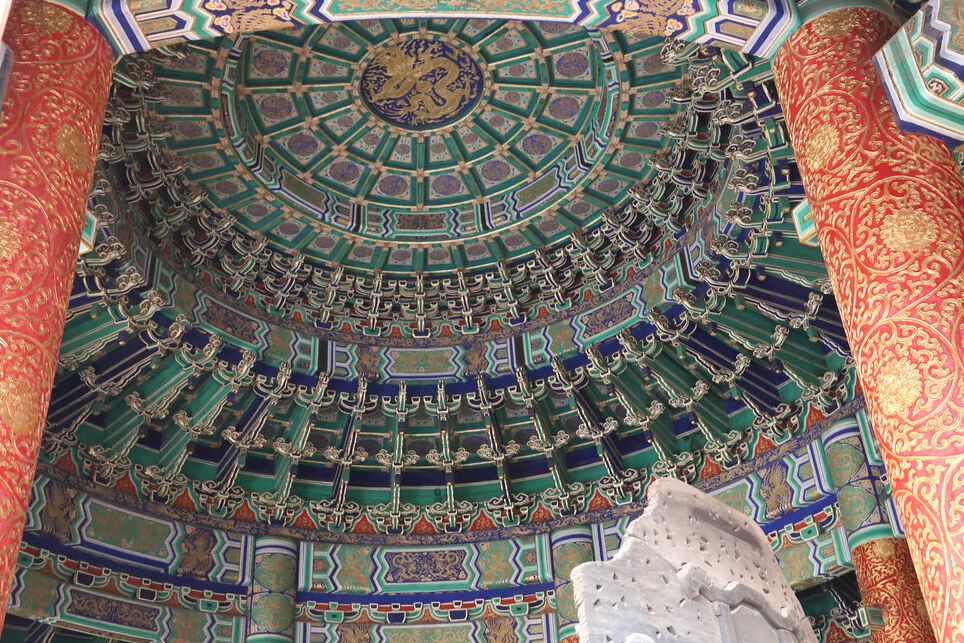

In the heart of Beijing, the Temple of Heaven stands as a stunning testament to China's rich history and cultural heritage. Spanning over 600 years, this complex of religious buildings was constructed in 1420 during the reign of the Ming Dynasty, specifically under Emperor Yongle, who also commissioned the construction of the Forbidden City. The Temple served as a sacred site where emperors would perform annual rituals to ensure bountiful harvests, making it a focal point of Chinese agricultural society. The significance of this site is deeply rooted in its symbolism; the Temple of Heaven embodies the relationship between earth and heaven, encapsulated in its architectural design. The central structure, the Hall of Prayer for Good Harvests, is an iconic circular building with a triple-gabled roof, richly decorated with intricate carvings and brilliant colors. Its design reflects the ancient Chinese cosmological belief that the sky is round and the earth is square. The Temple of Heaven complex is not only a masterpiece of architectural ingenuity but also a canvas showcasing the artistry of ancient China. Visitors can marvel at the vibrant blue tiles that adorn the Hall, symbolizing the heavens, while the surrounding landscape is meticulously arranged in a harmonious manner that reflects traditional Chinese garden aesthetics. Beyond the stunning architecture, the Temple of Heaven is a hub of local culture and tradition. Daily, the surrounding park comes alive with locals practicing Tai Chi, dancing, and playing traditional musical instruments. The annual Temple Fair, held during the Lunar New Year, is a vibrant celebration filled with performances, food stalls, and cultural exhibitions, allowing visitors a glimpse into the rich tapestry of Chinese traditions. Gastronomically, the area surrounding the temple offers a variety of local delicacies. Be sure to try Beijing's famed Peking Duck, known for its crispy skin and succulent meat, typically served with pancakes and hoisin sauce. Another local specialty is the jianbing, a savory crepe filled with vegetables and egg, perfect for a quick snack while exploring the temple grounds. Interestingly, many tourists miss the lesser-known details of the Temple of Heaven. For instance, the Echo Wall surrounding the Circular Mound Altar has remarkable acoustics; a whisper at one end can be heard clearly at the opposite end. Additionally, the Three Echo Stones located near the altar are said to amplify sounds, creating an ethereal experience for those who stand upon them. The best time to visit the Temple of Heaven is in the early morning or late afternoon when the light casts dramatic shadows and the park is less crowded. Spring is particularly beautiful, as cherry blossoms bloom, creating a picturesque setting. When exploring, look for the intricate dragon motifs and phoenix carvings, symbols of imperial power and grace in Chinese culture. To make the most of your visit, consider downloading the Secret World app to curate a personalized itinerary tailored to your interests. Immerse yourself in the enchanting history, architecture, and culture that the Temple of Heaven offers.


