


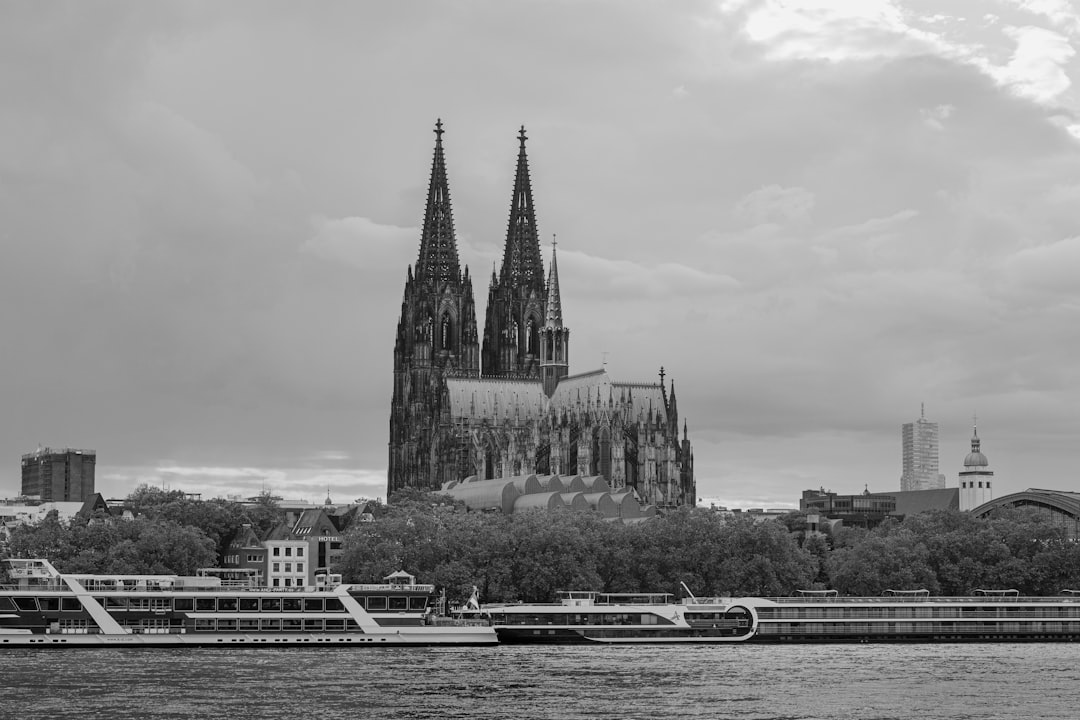
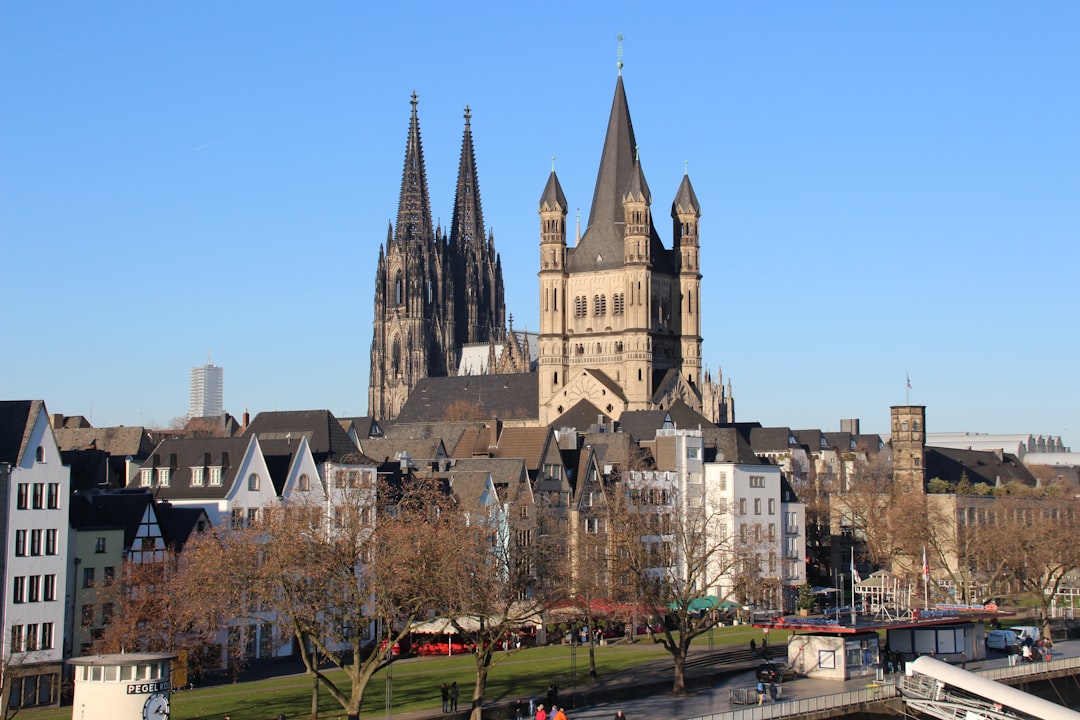
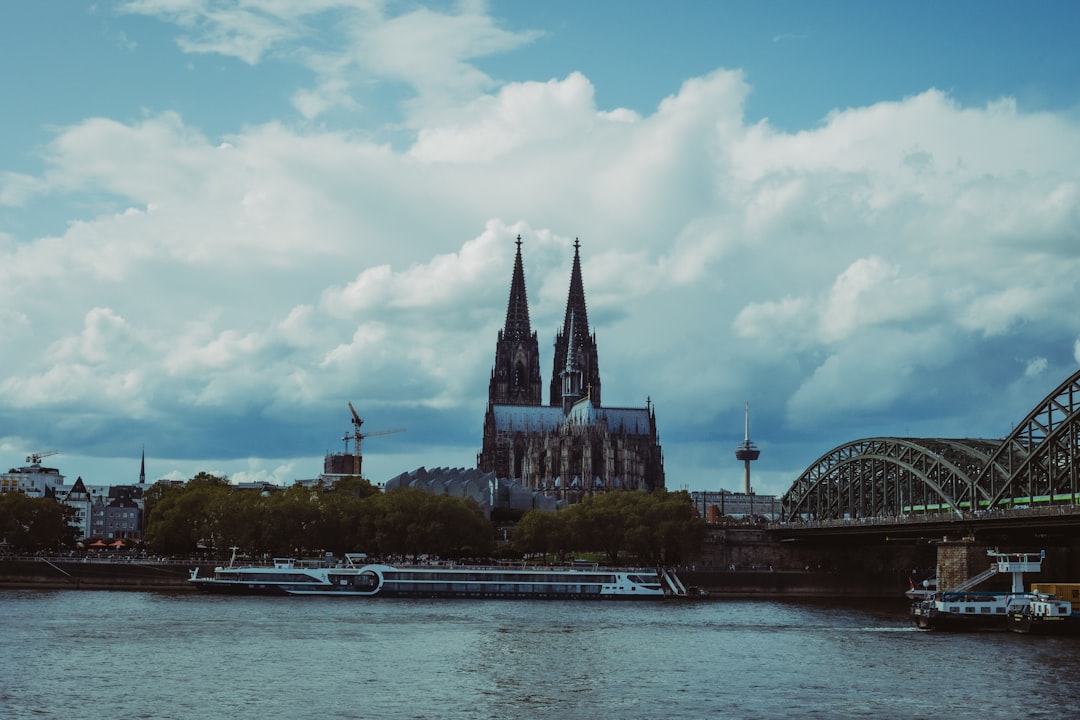
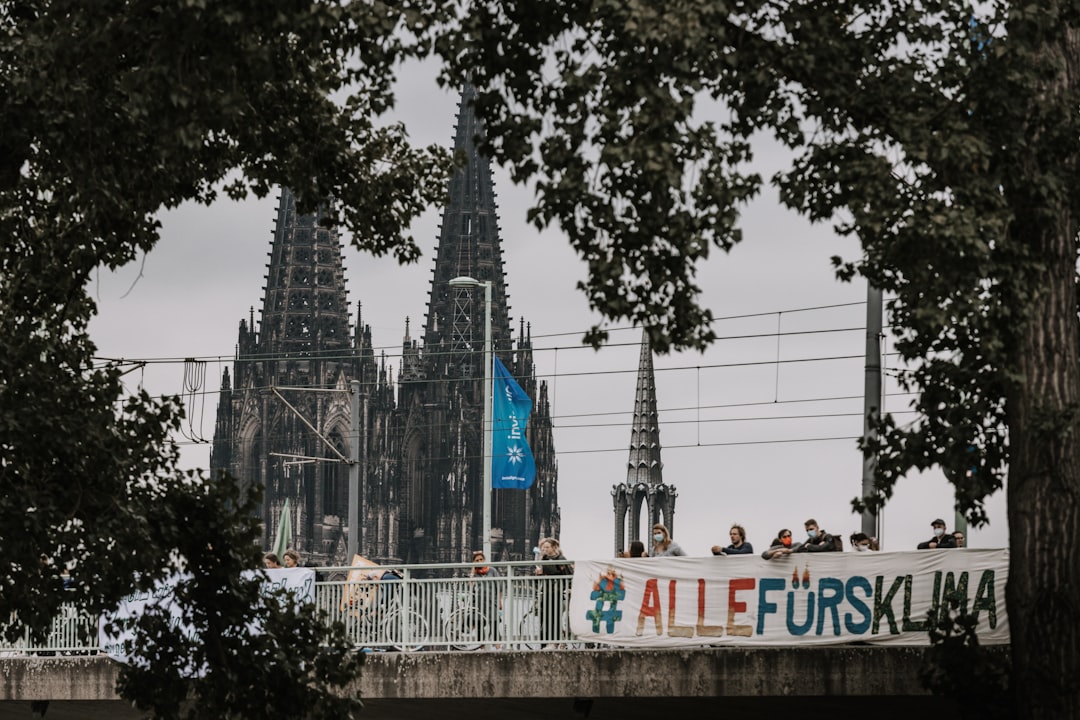
The two twin towers of the Cologne Cathedral rise 157 meters above the Rhine, visible from kilometers away as a gray stone warning against the sky of the Rhineland. Those arriving at Cologne's central station — the Hauptbahnhof, literally thirty seconds on foot from the north entrance — are immediately overwhelmed by the verticality of this facade that occupies almost the entire field of vision. It is not an abstract sensation: it is physical, almost destabilizing.

The Kölner Dom is the Gothic cathedral with the tallest twin towers in the world, a record it held for almost forty years, also the title of the tallest building on the planet after the completion of the towers in 1880 — although the laying of the first stone dates back to the distant 1248, under Archbishop Konrad von Hochstaden. Six centuries of construction, interruptions, wars, and resumption: a collective work that spans the Middle Ages, the Renaissance, oblivion, and finally the German Romanticism that financed its completion.
The Reliquary of the Three Kings: gold at the center of everything
The devotional heart of the cathedral is the Shrine of the Three Kings (Dreikönigenschrein), housed in the choir behind the main altar. It is the largest medieval reliquary in the world: about 220 centimeters long, it is covered in gold, silver, and precious stones, and was created between the 12th and 13th centuries by Rhenish goldsmiths, among whom Nicola of Verdun is attributed a central role, being one of the greatest artisans of medieval Europe. It contains, according to Christian tradition, the remains of the Magi, brought to Cologne in 1164 by Archbishop Rainald von Dassel after being transferred from Milan.
Approaching the shrine means observing dozens of figures embossed in precious metal, stylized faces with gem-like eyes, Latin inscriptions running along the edges. It is not necessary to be a believer to stand still in front of this object: it is simply one of the most extraordinary medieval artifacts that have survived in Europe, and the fact that it is still here, displayed and accessible, is in itself astonishing.
The Gothic Structure: Stained Glass, Naves, and Details to Look For
The interior of the cathedral features a central nave that is 43.35 meters high, the tallest ever completed in medieval Gothic architecture. Walking beneath those ribbed vaults means physically understanding why Gothic was perceived as sacred architecture: light enters filtered through the colored stained glass, some original from the 13th and 14th centuries, others modern — including the controversial window by Gerhard Richter from 2007, composed of 11,500 squares of colored glass in 72 different shades, which occupies the southern window of the transept.
It is also worth looking for the Cross of Gero, in the chapel of the crucifix: it is the oldest monumental wooden crucifix in Western Europe, dated around 970 AD, with an expressive intensity that anticipates Gothic naturalism by centuries. The face of Christ shows an anatomical realism that still impresses today.
Climbing the Towers: The View and the Effort
It is possible to climb one of the two towers by paying an entrance fee (about 6 euros for adults, with seasonal variations). The climb requires tackling 533 steps in a narrow and steep spiral staircase: it is not suitable for those who suffer from claustrophobia or have mobility difficulties. The reward is a panoramic terrace at about 97 meters high, from which one can embrace the entire city of Cologne, the Rhine, and, on clear days, the hills of the Bergisches Land.
The most useful practical advice: arrive at opening time, around 6:00 AM on weekdays (the cathedral opens early for liturgical services), or late in the evening. The central hours of the day, especially in summer and on weekends, bring thousands of visitors that make it difficult to stand in silence in front of the shrine or the stained glass windows. The visit inside is free; allow at least 60-90 minutes for a careful tour, not including the climb to the towers.
How to get there and what to know before entering
The Cathedral can be reached immediately from the Cologne Central Station, served by high-speed trains from Frankfurt (about 60 minutes), Brussels, and Amsterdam. Exiting the station, the facade is in front in less than a minute. There is no more direct way to reach a Gothic cathedral in Europe.
Entrance to the nave is free, but during religious services some areas are off-limits to tourists. It is recommended to wear clothing that covers the shoulders out of respect for the place, although it is not formally mandatory. The cathedral was declared UNESCO World Heritage Site in 1996, and each year it welcomes about six million visitors: a number that speaks volumes about the attraction of this building, but also suggests carefully choosing the time of the visit.


