
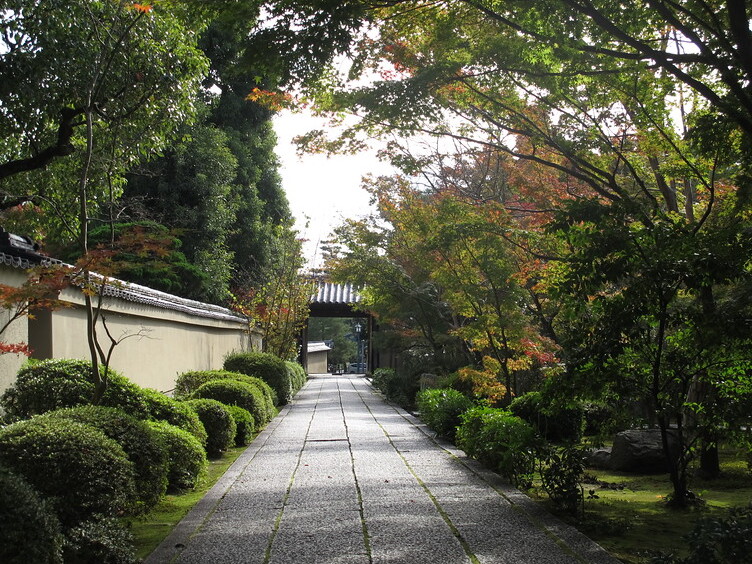

Nestled within the tranquil embrace of northern Kyoto, Daitokuji stands as a beacon of Zen Buddhism and Japanese culture. Founded in 1319, this sprawling temple complex serves as the head temple of the Rinzai sect's Daitokuji school, housing nearly two dozen subtemples, each with its unique charm and artistry. As you step through its ancient gates, you are instantly transported into a world where simplicity meets sophistication, a harmonious blend of nature and architecture that epitomizes Zen philosophy.
History and Origins The story of Daitokuji begins in the early 14th century, when it was established by the monk Shinchi Kakushin. The temple's foundation marked a significant moment in the evolution of Zen Buddhism in Japan. Over the centuries, Daitokuji has witnessed its share of turmoil, particularly during the Onin War (1467-1477), which left much of Kyoto in ruins. The temple, however, was rebuilt and flourished as a center for the tea ceremony, closely linked to the esteemed tea master Sen no Rikyū. His influence helped elevate the tea ceremony to an art form, intertwining it with the spiritual practices of Zen. The temple has also been associated with powerful warlords such as Oda Nobunaga and Toyotomi Hideyoshi, both of whom were ardent practitioners of tea. Oda Nobunaga's grave can be found at Sokenin, one of Daitokuji's subtemples, which, while not regularly open to the public, is a site of profound historical significance.
Art and Architecture The architecture of Daitokuji is a testament to the Muromachi period aesthetic, characterized by simplicity, asymmetry, and an intimate relationship with nature. The complex houses a variety of Zen gardens, each embodying different philosophical themes. The Daisen-in subtemple features a stunning dry landscape garden that invites contemplation, while its carefully arranged rocks and gravel symbolize mountains and rivers. The hōjō (abbot's residence) within Daisen-in is adorned with exquisite fusuma (sliding doors) painted by Sesshū Tōyō, a master of ink painting. These artworks not only enhance the aesthetic of the space but also serve as a reflection of the Zen ideal of simplicity and beauty. The careful balance between the built environment and the surrounding natural landscape is a hallmark of Daitokuji, creating a serene atmosphere that encourages introspection and meditation.
Local Culture and Traditions Daitokuji is a living testament to the ongoing practices of Zen Buddhism. Visitors may witness daily rituals performed by the resident monks, which include chanting, meditation, and the tea ceremony. The temple complex often hosts seasonal festivals that allow visitors to engage with local customs and traditions. The Daitokuji Tea Ceremony, for instance, is a revered event that showcases the refined art of tea preparation, emphasizing mindfulness and respect for nature. Additionally, Daitokuji is known for its connection to Zen-inspired arts, such as calligraphy and flower arrangement (ikebana), which are often displayed within the temple grounds.
Gastronomy While visiting Daitokuji, one must explore the culinary traditions linked to the temple. The tea ceremony, central to the Zen experience, is often accompanied by wagashi (traditional Japanese sweets), which are meticulously crafted to reflect seasonal themes. Nearby, you can find local tea houses that serve matcha, the finely ground green tea integral to the ceremony, paired with delicate sweets that enhance the tasting experience. For those looking to delve deeper into Kyoto's culinary offerings, the nearby Nanzenji Junsei is famous for its yudofu (tofu hot pot), a dish that perfectly complements the Zen philosophy of simplicity and purity.
Lesser-known Curiosities While many visitors flock to the more prominent attractions of Kyoto, Daitokuji holds secrets that often go unnoticed. For instance, the temple grounds have a hidden wisteria trellis that blooms spectacularly in spring, creating a breathtaking scene often missed by those who don’t wander far from the main paths. Additionally, the subtemple Kōdai-in has a unique moon-viewing platform where monks historically gathered to contemplate the beauty of the night sky. These subtle details enrich the experience, offering visitors a deeper connection to the Zen way of life.
Practical Visitor Information To truly appreciate the serene beauty of Daitokuji, plan your visit during the spring or autumn months when the gardens are in full bloom, and the air is crisp and invigorating. Arrive early in the morning to enjoy a quieter experience before the crowds descend. Be sure to take your time to wander through the various subtemples, as each has its unique character and charm. Remember also to dress appropriately and maintain a respectful demeanor, as this is an active place of worship.
Whether you’re seeking spiritual solace or simply wish to immerse yourself in the beauty of Zen architecture, Daitokuji is a must-see destination in Kyoto. For a personalized itinerary that includes this serene complex, consider using the Secret World app to help you explore the wonders of this historic city.


