
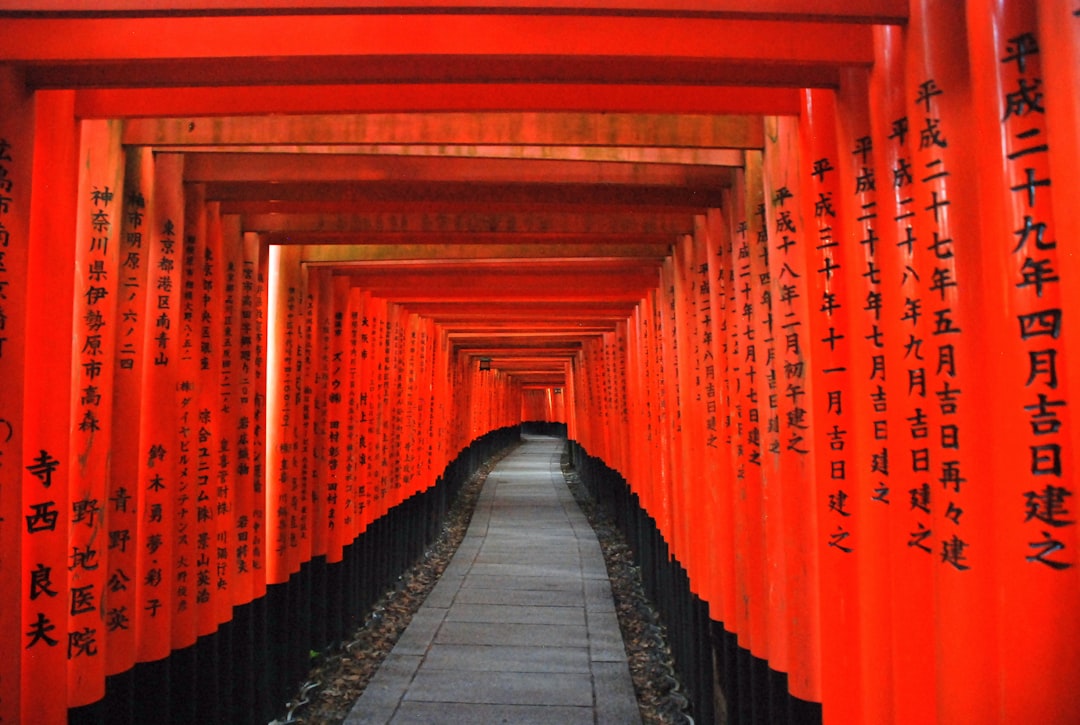

In the heart of historic Kyoto, Fushimi Inari Shrine stands as a powerful symbol of Japanese culture. This shrine, dedicated to the kami Inari, is known for its extraordinary beauty and centuries-old traditions, attracting visitors from all over the world. With its characteristic vermilion torii gates winding through the mountain, it offers a unique experience that combines spirituality and nature.
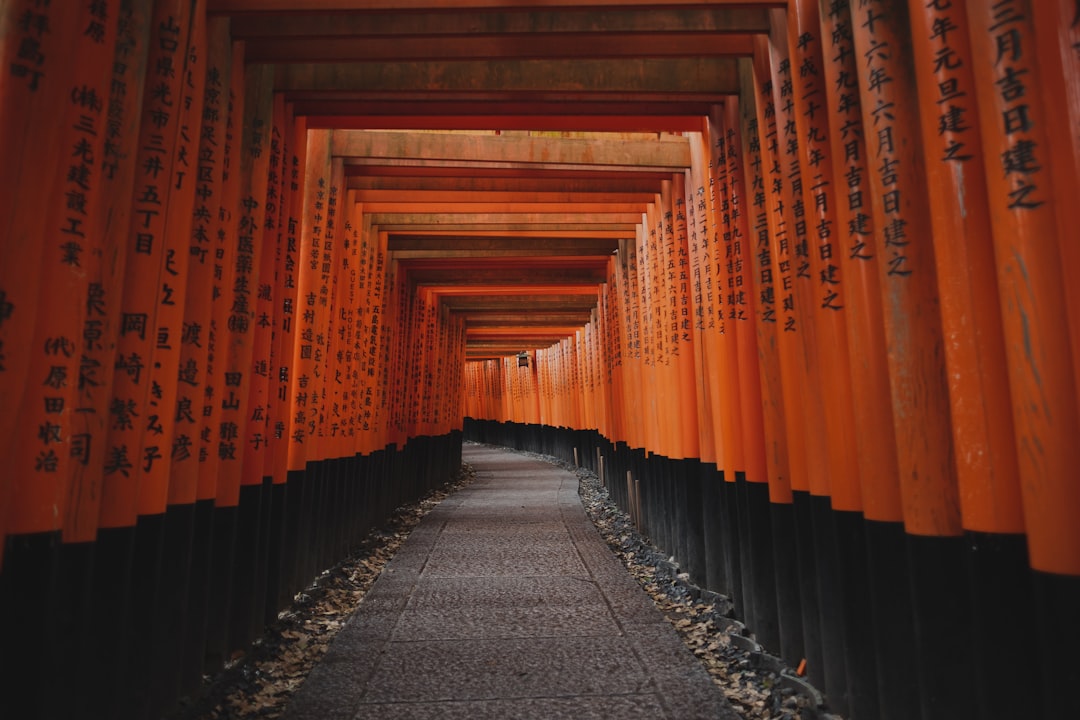
Kyoto, the cultural capital of Japan for over a millennium, is a place where the modern and traditional coexist in harmony. Fushimi Inari, in particular, represents one of the most authentic expressions of this fusion, allowing visitors to immerse themselves in an enchanting atmosphere rich in meaning.
Historical and Cultural Context
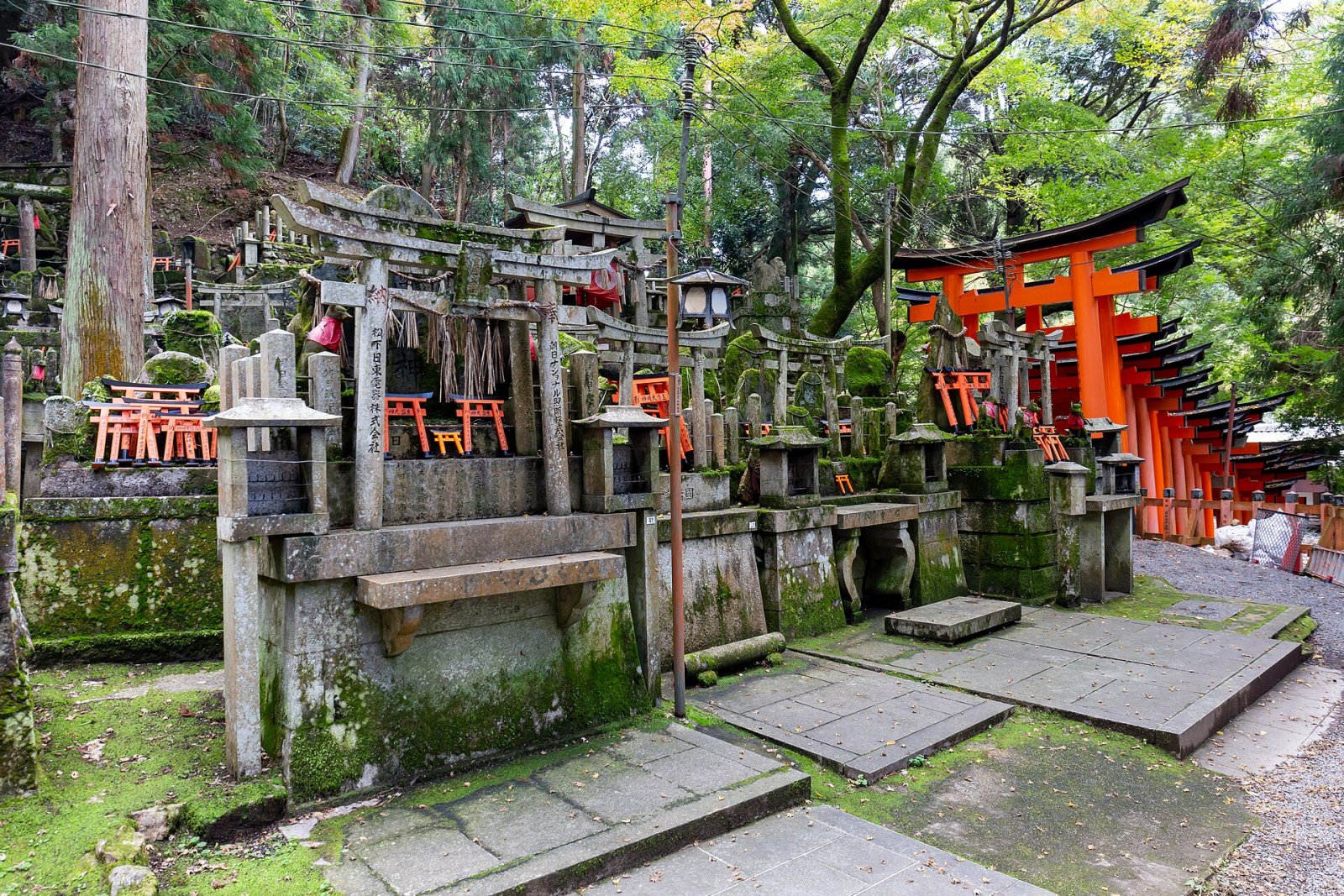
Fushimi Inari Shrine is dedicated to Inari, the kami of fertility, rice, and prosperity, worshipped since the 9th century. Legend has it that Kobo Daishi, the founder of Shingon Buddhism, recognized Inari as the protector of the Toji temple in Kyoto, thus contributing to the spread of the cult. This shrine is famous for its torii gates, which represent the entrance to the sacred and are offered by worshippers as a sign of gratitude for the prosperity received.
The layout of the shrine, with its paths winding through the mountain, is designed to guide visitors on a spiritual journey. Each torii, named after its donor, tells a story of devotion and hope, making Fushimi Inari a place of deep reflection and connection with Japanese traditions.

What Stands Out About the Place
What immediately strikes visitors to Fushimi Inari is the extraordinary view of the vermilion torii gates intertwining in a colorful labyrinth, creating an almost magical atmosphere. The sunlight filtering through the columns of red-painted wood provides a special illumination, transforming each step into an unforgettable visual experience. The contrast between the green of the surrounding vegetation and the red of the torii is an irresistible draw for photographers and nature lovers.
Moreover, the presence of foxes, sacred animals to Inari, adds an additional element of charm. These animals, often depicted in the statues that dot the shrine, are symbols of wisdom and prosperity, making the place even more evocative. The combination of history, culture, and natural beauty makes Fushimi Inari a unique multisensory experience.
Visiting Experience
Visiting Fushimi Inari Shrine is an experience that requires time and patience. The paths leading to the top of the mountain, lined with torii, can be walked in tranquility, allowing one to fully enjoy the beauty of the landscape and the spirituality of the place. It is advisable to start early in the morning to avoid crowds and to enjoy a serene atmosphere. During the ascent, one can stop at various viewpoints to admire Kyoto from above.
The visit to the shrine is not only a moment of contemplation but also an opportunity to interact with the local culture. Visitors can participate in rituals, such as prayers and offerings, or simply observe the traditions that take place daily. Every corner of Fushimi Inari tells a story, making each visit unique and personal.
Practical Information for Visitors
Fushimi Inari Shrine is easily accessible by public transport, thanks to its proximity to Fushimi Inari Station. Entrance to the shrine is free, and there are no defined closing hours, allowing for visits even at sunset when the atmosphere becomes even more evocative. However, it is advisable to wear comfortable shoes, as the ascent can be challenging and spans several kilometers.
Finally, for visitors more interested in history and culture, it is possible to download the Secret World app, which offers detailed information and tips for exploring the shrine and its surroundings in depth. In conclusion, Fushimi Inari Shrine is not just a place to visit, but an experience to live.


