
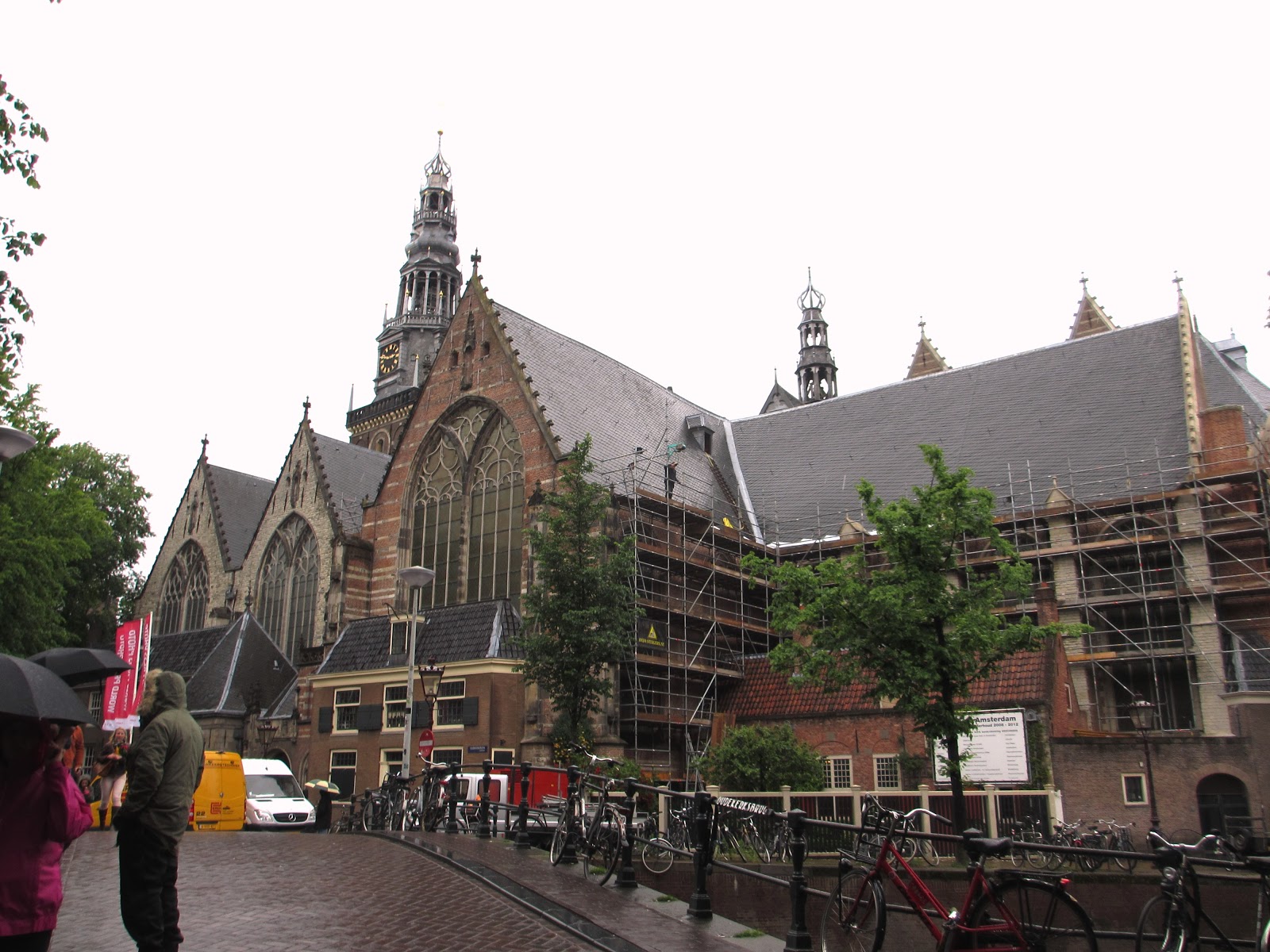

A towering presence in the heart of Amsterdam, De Oude Kerk (The Old Church) offers a mesmerizing blend of history, art, and culture. Built in the early 13th century, this monument not only stands as the oldest building in the city but also as a testament to its rich religious evolution. Originally constructed as a Catholic church, it now represents the spirit of Dutch Protestantism, reflecting the transition of Amsterdam through the ages.
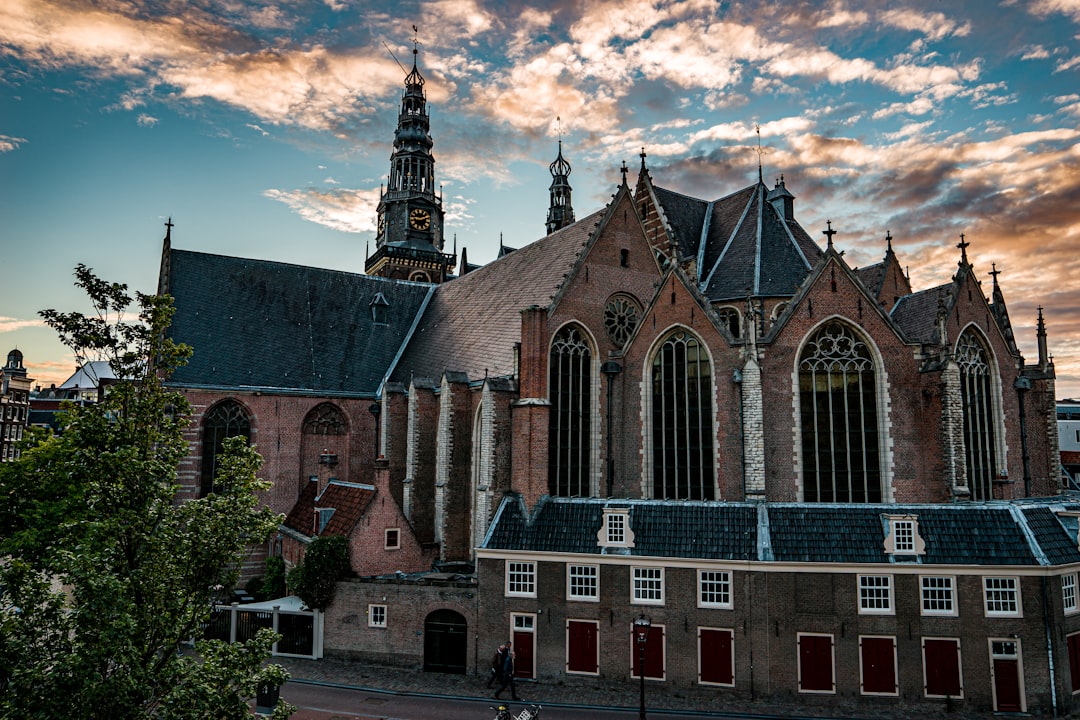
History and Origins De Oude Kerk was founded around 1213, initially serving as a Catholic house of worship dedicated to Saint Nicholas, the protector of sailors and merchants. Over the centuries, as Amsterdam flourished as a major trade hub, the church became a critical part of the city’s social and spiritual fabric. The Protestant Reformation in the 16th century transformed its identity, and by 1578, it was officially reformed, marking a pivotal moment in the church’s history. This shift mirrored the broader cultural and religious transformations occurring in the Netherlands and Europe at large, with De Oude Kerk embodying the resilience and adaptability of Amsterdam’s citizens.
Art and Architecture The architecture of De Oude Kerk is an eclectic mix of Gothic and Romanesque styles, with its striking wooden ceiling and impressive stained glass windows that flood the interior with light. The church features beautifully sculpted misericords—small wooden seats that fold up when not in use—found in the choir, showcasing intricate designs that reflect the craftsmanship of the era. The granite gravestones embedded in the church floor tell tales of notable citizens, including merchants and artists who shaped Amsterdam's history. A significant highlight is the organ, built in 1658, which is known for its remarkable sound and is still played during services and concerts today.
Local Culture and Traditions The church’s location in the vibrant Red Light District is a fascinating juxtaposition, embodying the complex layers of Amsterdam’s culture. De Oude Kerk often serves as a gathering place for various cultural events and festivals throughout the year. One notable event is the Oude Kerk Festival, which celebrates both the church’s historical significance and its role in contemporary society. During this festival, visitors can enjoy art installations, music performances, and guided tours that delve deep into the church's storied past. The church also hosts art exhibitions that connect the sacred with the secular, fostering dialogue about faith and contemporary issues.
Gastronomy When visiting De Oude Kerk, indulge in the local culinary scene to experience Amsterdam's gastronomic delights. Just a short stroll away, you can find traditional Dutch snacks like stroopwafels—thin waffle cookies filled with caramel syrup—or haring, raw herring fish served with onions and pickles. Pair your snacks with a locally brewed Heineken or a glass of Jenever, the Dutch gin, which has deep historical roots in the region. For a heartier meal, seek out bitterballen, a popular Dutch meatball appetizer, often enjoyed with mustard.
Lesser-Known Curiosities While many tourists marvel at the church's grand architecture, a few hidden gems often go unnoticed. For instance, if you look closely at the church’s south wall, you’ll find a secret door that leads to the old cloisters, once used by monks and now a quiet space for reflection. Another intriguing detail is the bell tower, which houses a set of bells with unique names, including Middelste Klok and Oude Klok, each with its own history and significance. Notably, the church has also been a silent witness to numerous historical events, including the Dutch Golden Age and the more recent World War II.
Practical Visitor Information The best time to visit De Oude Kerk is during the spring and fall when the weather is mild, and the church is less crowded. Be sure to check the church’s official website for special events and exhibitions that may coincide with your visit. When exploring the church, take your time to admire the artworks and gravestones, and don’t forget to look up at the stunning ceiling. A guided tour can enrich your experience, providing insights into the church's intricate history and architecture.
In summary, De Oude Kerk serves as a remarkable historical and cultural beacon in the heart of Amsterdam, inviting visitors to explore its rich past and vibrant present. For a more personalized experience, consider using the Secret World app to craft your unique itinerary while in Amsterdam.


