
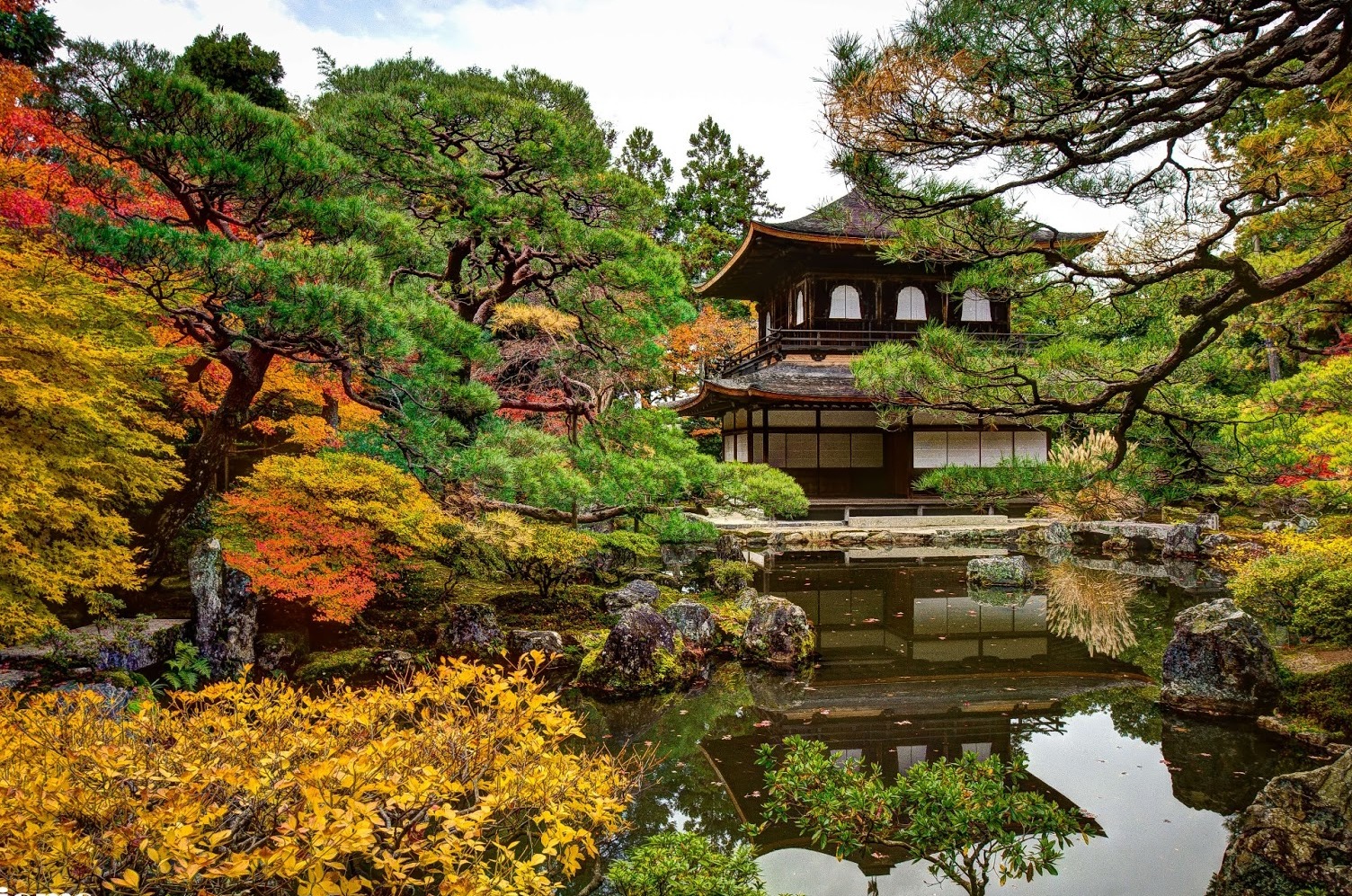

Nestled in the serene embrace of Kyoto's Higashiyama mountains, Ginkakuji, or the Silver Pavilion, stands as a testament to Japan’s rich cultural heritage and artistic evolution. While many travelers flock to the more famous Kinkakuji (Golden Pavilion), Ginkakuji offers a quieter yet equally profound glimpse into the artistic passions of the Ashikaga shogunate.
History and Origins
Founded in 1482 by shogun Ashikaga Yoshimasa, Ginkakuji was originally built as a retirement villa, designed to echo the grandeur of his grandfather's villa at Kitayama. Yoshimasa, deeply influenced by the arts, envisioned a space that would serve as a sanctuary for contemplation and creativity. Following his death in 1490, the villa was transformed into a Zen temple, aligning with the spiritual practices of the time.
The temple complex became the heart of the Higashiyama Culture, which marked a departure from the aristocratic exclusivity of the Kitayama Culture. This cultural movement democratized art and culture, spreading its influence across Japan. Ginkakuji became a hub for the development of various artistic forms, including the tea ceremony, noh theater, and garden design, leaving a lasting legacy on Japanese aesthetics.
Art and Architecture
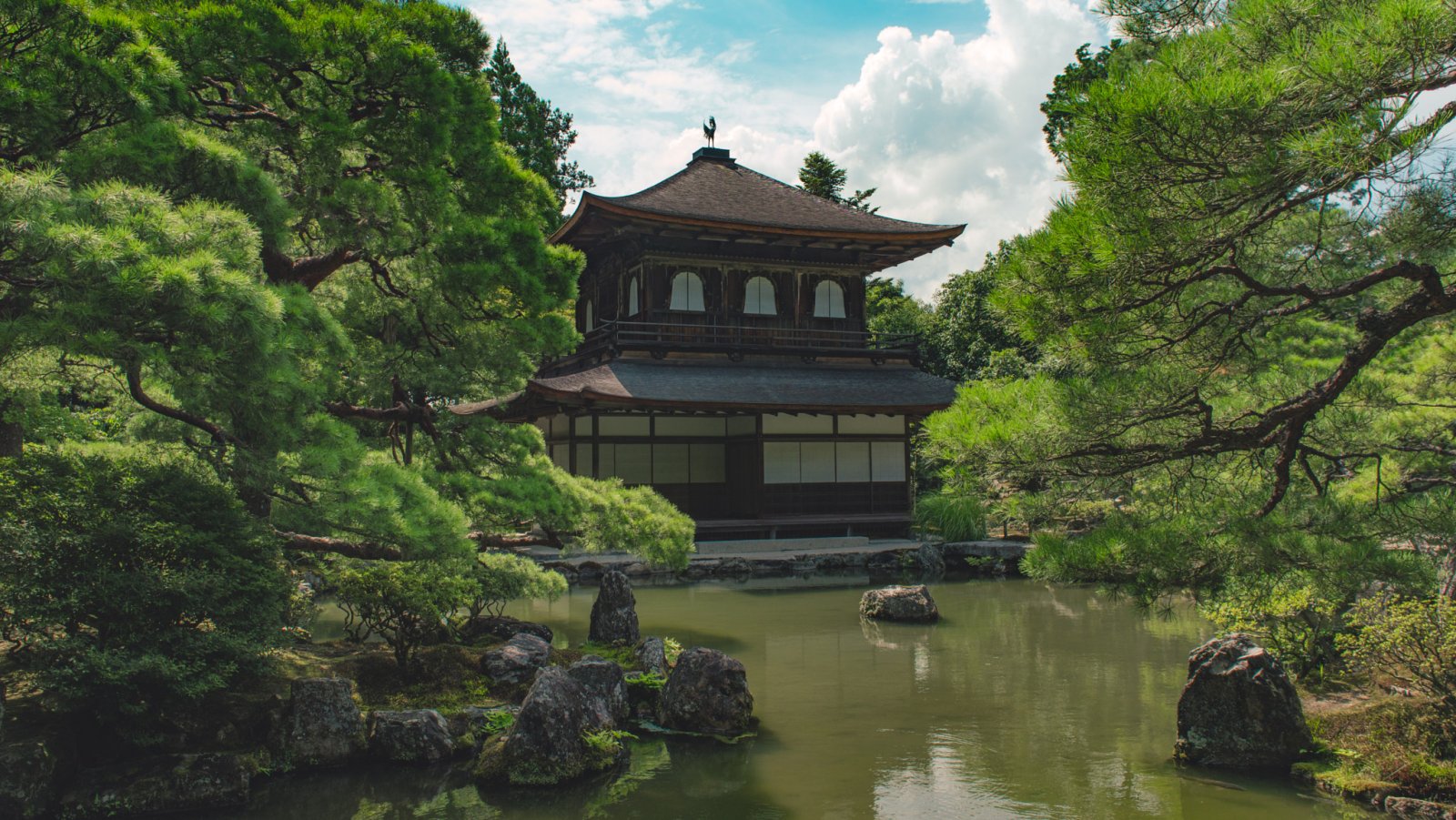
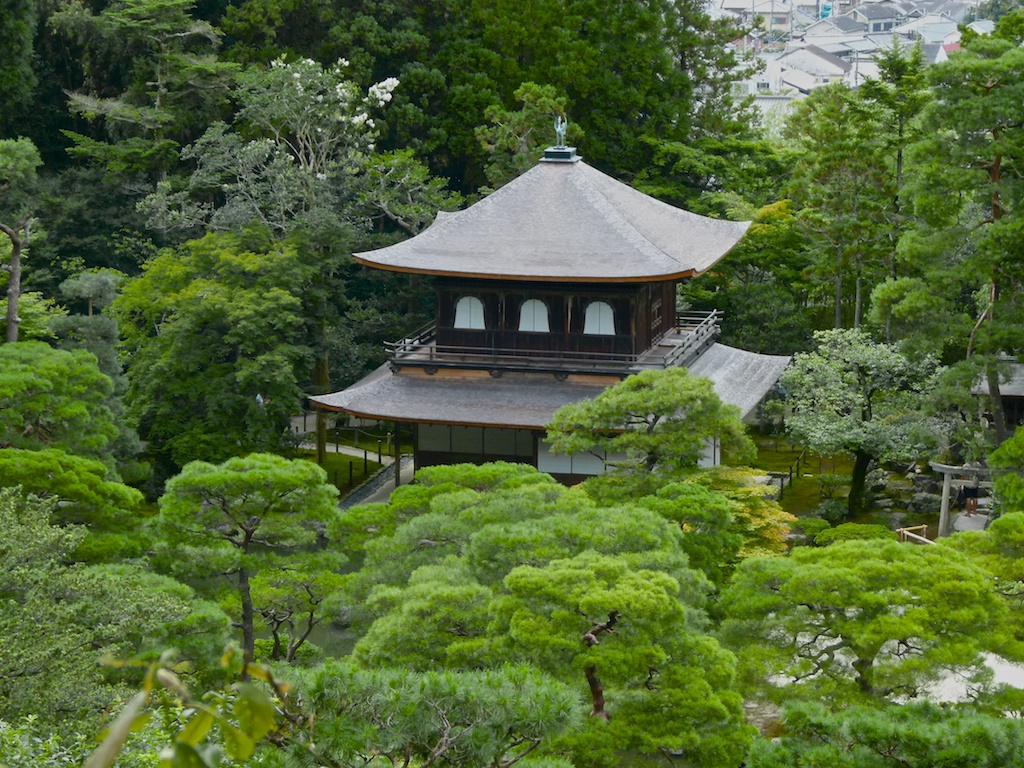
Ginkakuji’s architectural style is a harmonious blend of simplicity and refinement, embodying the principles of Zen philosophy. The main structure, a two-story building, features a thatched roof that gracefully slopes, enhancing its connection to the surrounding landscape. Unlike the ostentatious gold of Kinkakuji, Ginkakuji's understated elegance is characterized by natural materials that reflect the beauty of the seasons.
Artistic significance is further highlighted by the meticulously designed gardens that envelop the temple. The Sand Garden, with its carefully raked patterns, symbolizes the ocean waves, while the mossy grounds evoke a sense of tranquility. Notably, the Kannon-den, a hall dedicated to Kannon, the deity of mercy, houses several remarkable artifacts, including treasured scrolls that showcase the artistic talents of the era.
Local Culture and Traditions
Ginkakuji is not merely a historical site; it is a living testament to ongoing cultural practices. The tea ceremony, which flourished during the Higashiyama period, remains an integral part of Japanese culture today. Visitors can often witness tea ceremonies held within the temple grounds, offering a glimpse into the mindfulness that characterizes this art form.
Festivals in Kyoto, although not centered around Ginkakuji, often reflect the profound influence of its cultural heritage. Events like the Hanatoro, held in December, illuminate the temple grounds with hundreds of lanterns, creating a magical atmosphere that draws locals and tourists alike. During these times, the temple becomes a canvas for both traditional and contemporary interpretations of art and culture.
Gastronomy
While Ginkakuji itself does not boast a specific cuisine, the surrounding area is rich with culinary offerings reflective of Kyoto’s unique gastronomic identity. Yudofu, or boiled tofu, is a local specialty often enjoyed in the vicinity, particularly in winter months. The dish is simple yet highlights the quality of Kyoto’s ingredients, paired perfectly with dipping sauces.
Another must-try is matcha, the powdered green tea that has become synonymous with Japanese tea culture. Many tea houses near Ginkakuji serve matcha alongside traditional sweets, allowing visitors to savor the flavors that have been celebrated since Yoshimasa's time.
Lesser-Known Curiosities
Despite its popularity, Ginkakuji holds several secrets that many tourists miss. For instance, the Philosopher's Path, a scenic walkway lined with cherry blossoms, begins near the temple. This pathway was frequented by the philosopher Nishida Kitaro, who found inspiration in the beauty surrounding Ginkakuji.
Additionally, there is a lesser-known moon viewing platform within the temple grounds. This spot was historically used by Yoshimasa and his guests for moonlit gatherings, emphasizing the deep connection between nature and artistic expression.
Practical Visitor Information
The best time to visit Ginkakuji is during the spring and autumn months when cherry blossoms and vibrant fall foliage adorn the landscape. Early morning visits are recommended to enjoy a peaceful atmosphere before the crowds arrive.
When exploring the temple grounds, take time to observe the intricate details in the gardens and architecture. Don't forget to visit the Kannon-den to appreciate the spiritual and artistic heritage it represents.
To navigate Kyoto’s rich tapestry of history and culture seamlessly, consider using the Secret World app to create a personalized itinerary that ensures you don't miss any hidden gems during your visit to Kyoto.


