
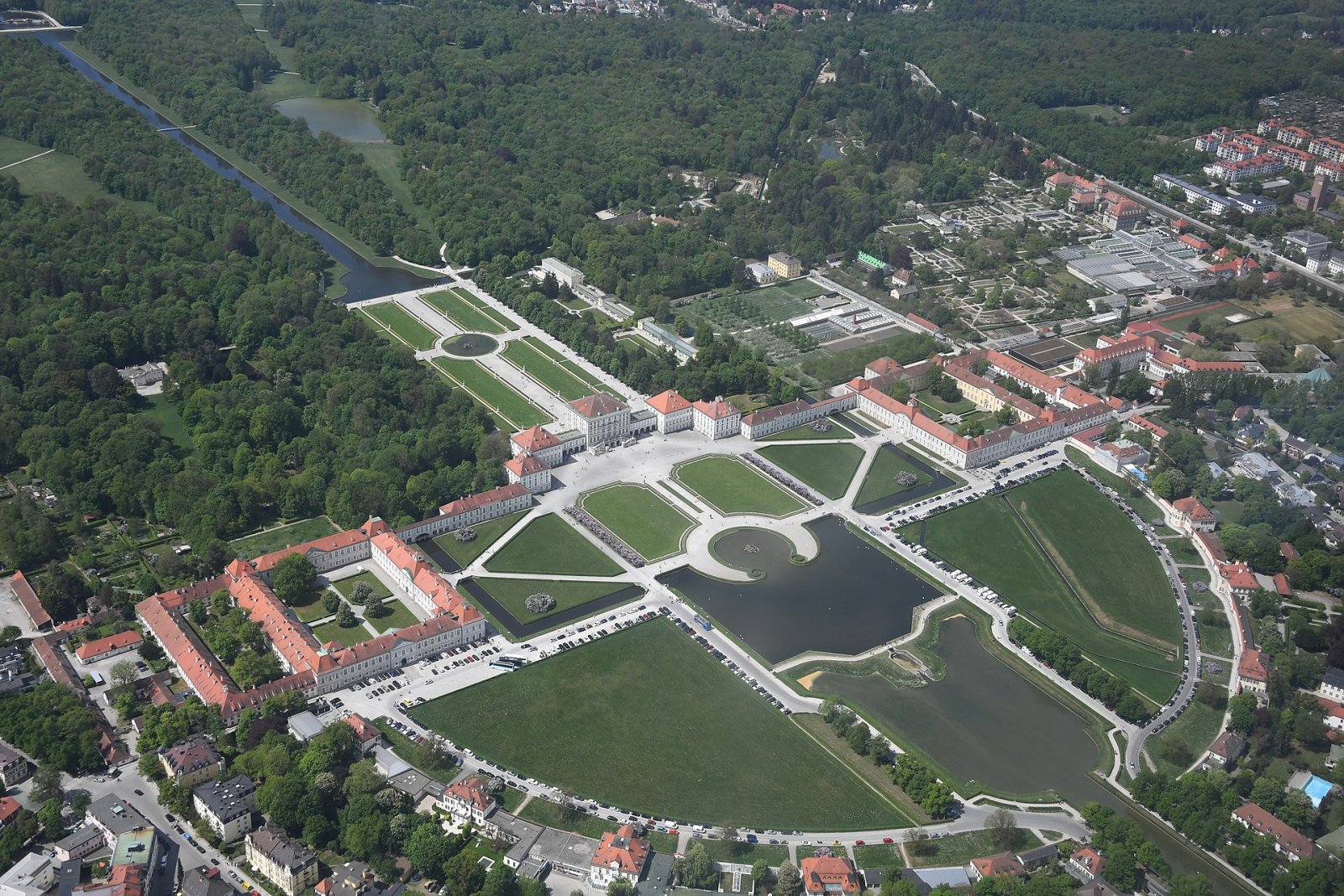

Nymphenburg Palace, located in the Neuhausen-Nymphenburg district of Munich, is a masterpiece of European Baroque that enchants visitors with its grandeur and fascinating history. This summer residence, once home to the Dukes of Bavaria from the House of Wittelsbach, spans a remarkable area, even surpassing the famous Palace of Versailles in width. Surrounded by a vast park, the palace represents an important cultural and historical landmark of Bavaria.
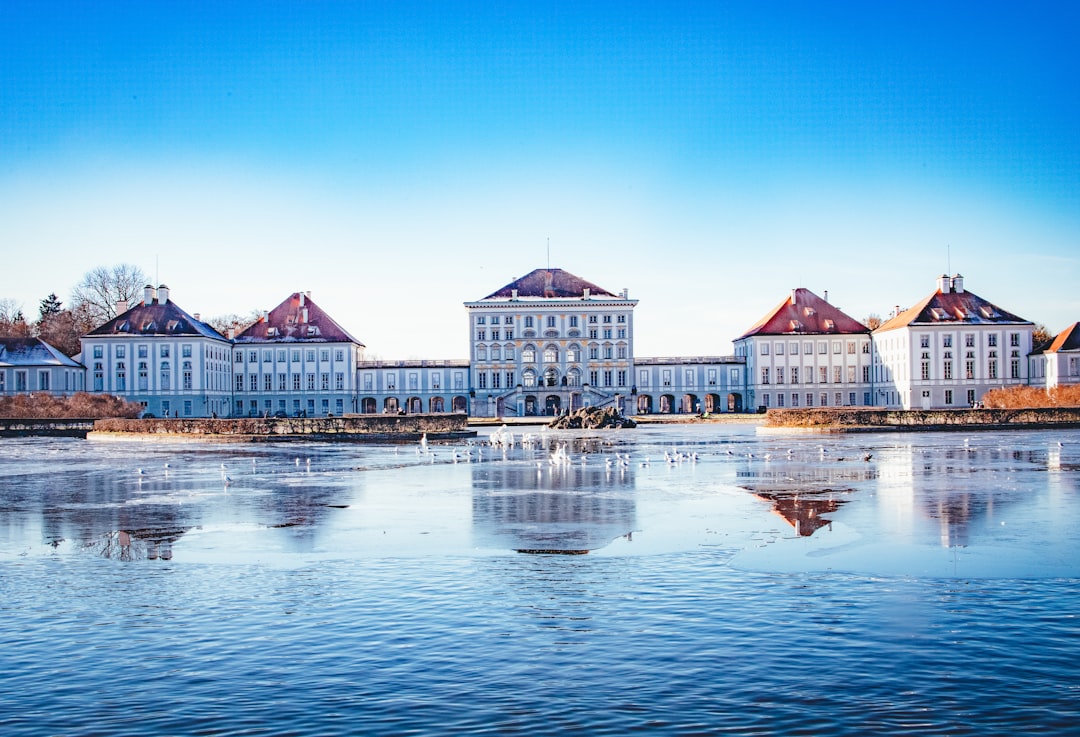
Built in 1664 to celebrate the birth of Prince Maximilian II Emanuel, the palace was designed by the Italian architect Agostino Barelli, later replaced by Enrico Zuccalli. The architecture and decorative details reflect the influence of Italian traditions, with frescoes and artworks that tell mythological and historical stories. Today, Nymphenburg is one of the most prestigious royal palaces in Europe, attracting visitors from around the world.
Historical and Cultural Context
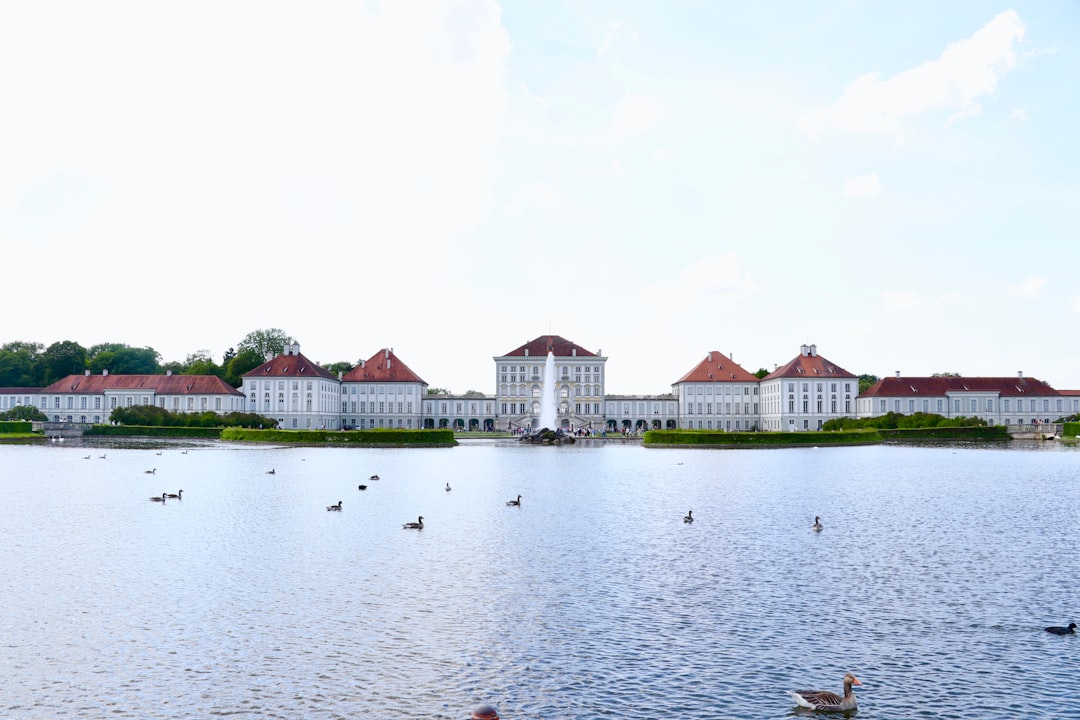
Nymphenburg Palace has a rich and complex history that begins in the 17th century when the Dukes of Bavaria sought to create a residence that could compete with other great European courts. The palace has been expanded and transformed over the centuries, becoming a symbol of Bavarian power and culture. Its Baroque architecture is characterized by elegant lines and opulent details, reflecting the refined taste of its former occupants.
Moreover, the surrounding park, which spans several hectares, is an example of an Italian garden, with ponds, fountains, and sculptures that add an additional layer of beauty to the complex. This green space not only offers a refuge from the hustle and bustle of the city but also represents an important cultural heritage, testifying to the Bavarian nobility's love for nature and art.
What Impresses About the Place
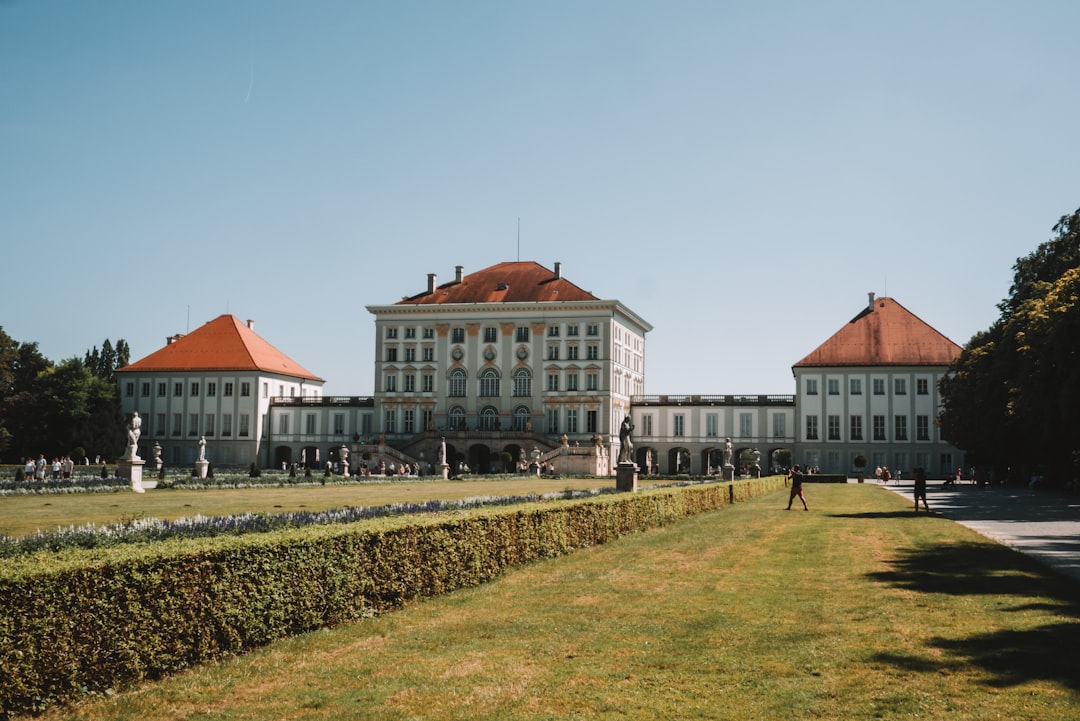
One of the most fascinating features of Nymphenburg Palace is its impressive facade, which extends over 632 meters. The elegant architectural details and external decorations immediately attract the attention of newcomers. Inside, the rooms are adorned with extraordinary frescoes and period furnishings that narrate court life and the history of Bavaria.
Particularly noteworthy are the Hall of Festivities and the Porcelain Room, which offer a fascinating glimpse into the aristocratic life of the past. Each room is a journey through time, allowing visitors to immerse themselves in the atmosphere of an era when culture and art were at the center of daily life. The combination of architecture, art, and history makes the palace a must-see for anyone visiting Munich.
Visiting Experience
Visiting Nymphenburg Palace is an experience that engages all the senses. Visitors can stroll through the park, admiring the sculptures and ponds that create an idyllic atmosphere. Inside, audio guides provide detailed information about each room, allowing for a deeper appreciation of the palace's history and art. Guided tours are available and can further enrich the experience, offering anecdotes and curiosities not found in standard informational materials.
Additionally, the palace hosts cultural events and temporary exhibitions that make each visit unique. Don't forget to stop by the palace café, where you can enjoy typical Bavarian pastries in an extraordinary setting. Every corner of Nymphenburg Palace invites exploration and surprise.
Practical Information for Visitors
Nymphenburg Palace is easily accessible by public transport, thanks to its central location in Munich. It is advisable to purchase tickets in advance, especially during the peak tourist season, to avoid long waits. Opening hours vary depending on the season, so it is wise to check in advance to plan your visit effectively.
Finally, for those who wish to further deepen their knowledge of Bavarian culture, I suggest using the Secret World app, which offers detailed information on attractions, events, and local curiosities, making every visit an even more memorable experience.


