
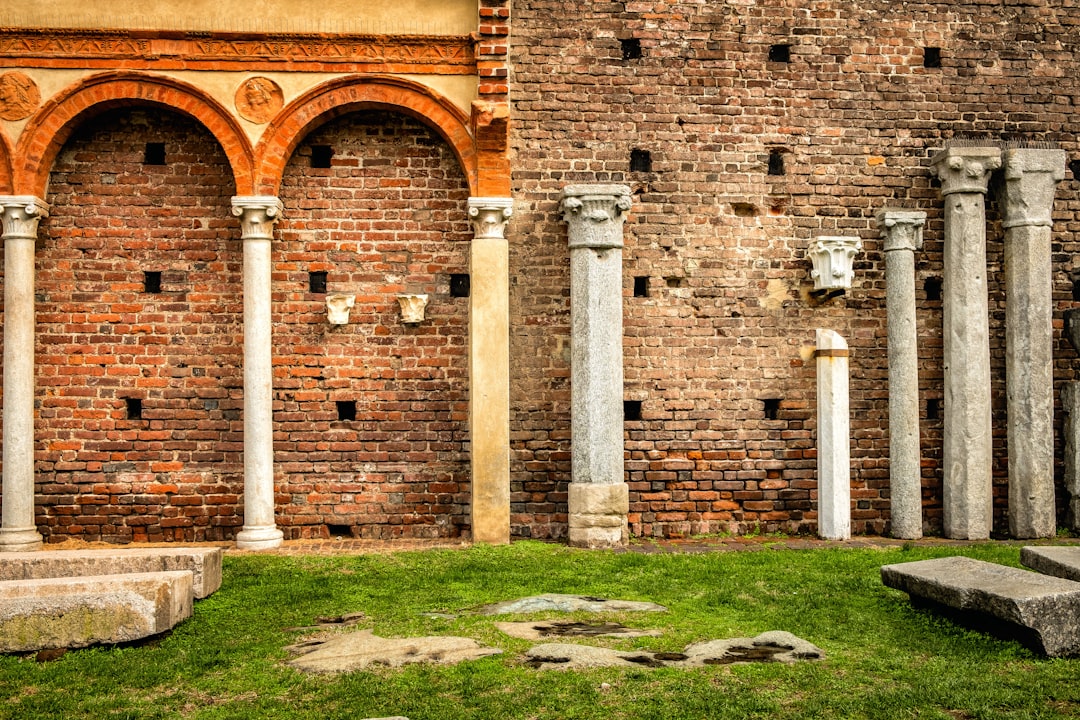

In the beating heart of Milan, the Sforza Castle stands majestically, a monument that tells centuries of history and art. Although it is one of the city's most famous attractions, many visitors limit themselves to exploring its imposing outer walls and do not venture inside, where invaluable architectural and artistic treasures are hidden. This article will guide you to discover the hidden wonders of the castle and its gardens, an experience that promises to reveal an intimate side of Milanese history.
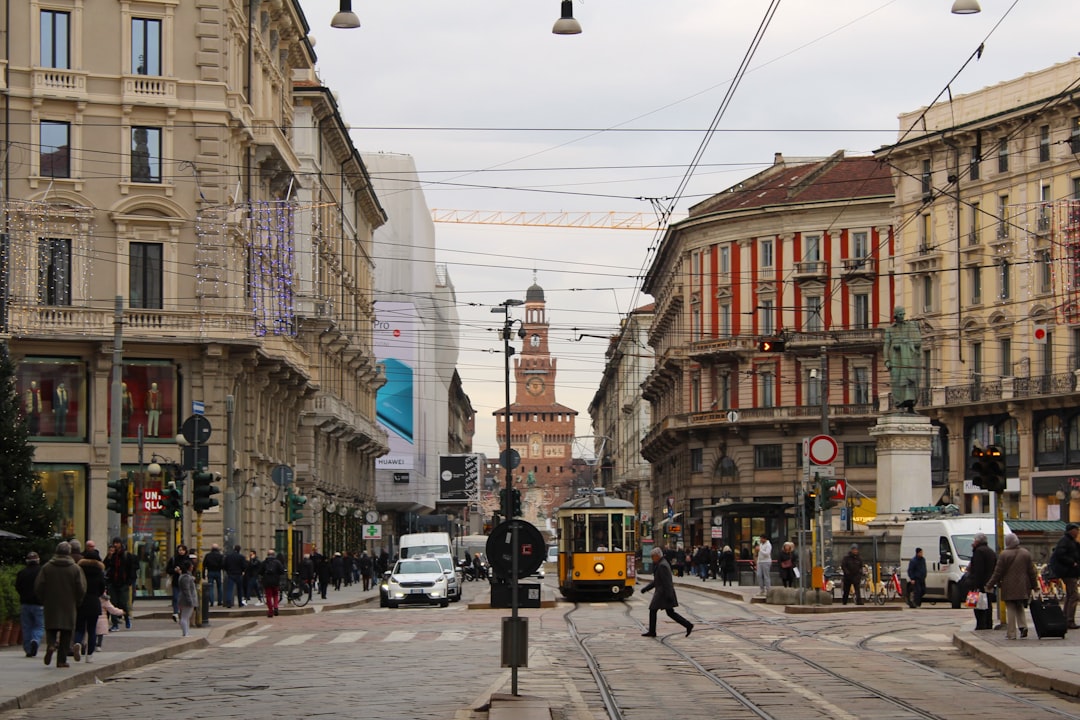
Built in the 15th century at the behest of Francesco Sforza, the castle is not only a symbol of power and wealth but also an important cultural center. With a history intertwined with that of the Sforza family and the great artists of the Renaissance, the Sforza Castle is a place where every stone tells a story. Let’s go beyond the facades and discover the architectural details and artistic treasures that make this place so special.
Imposing architecture and fascinating details
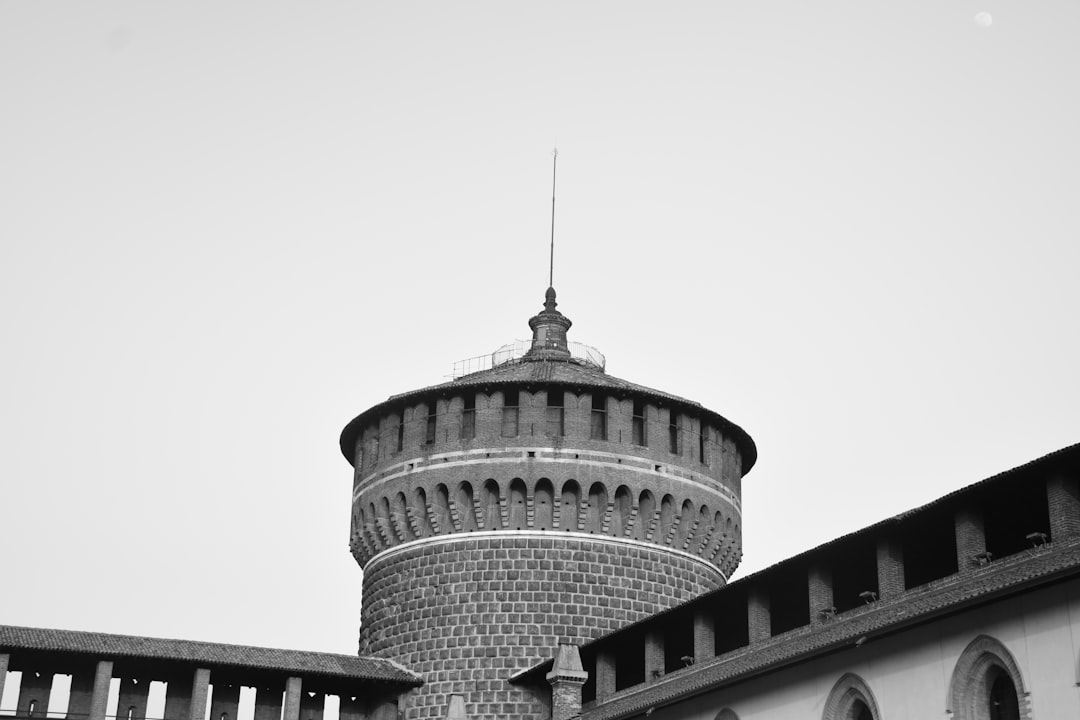
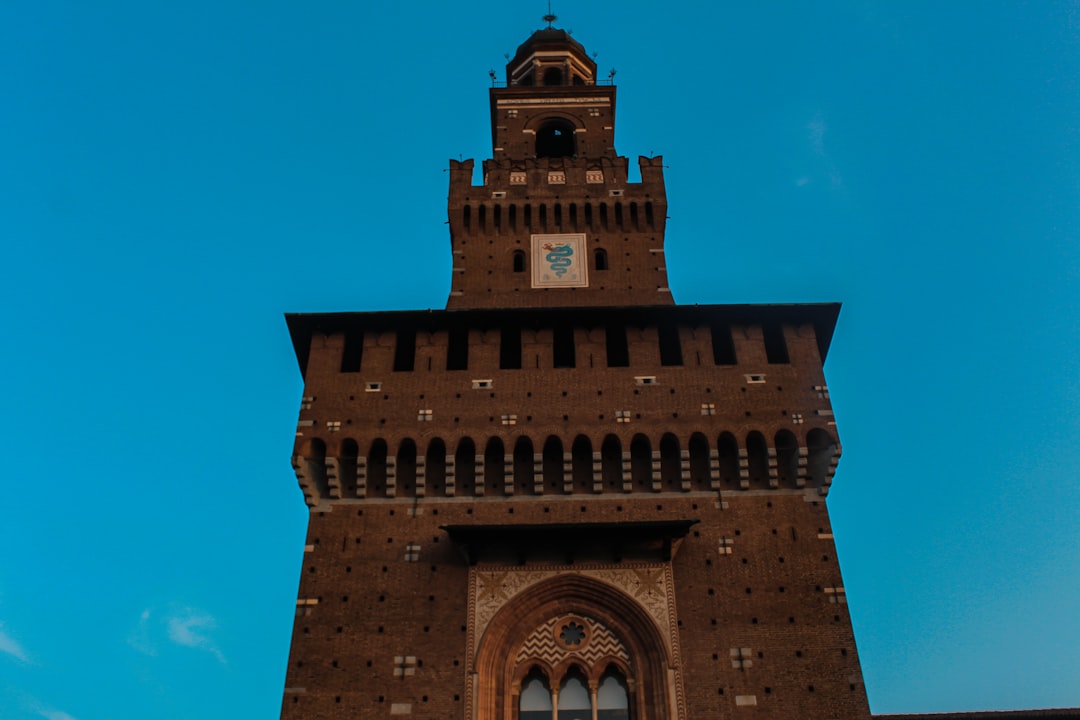
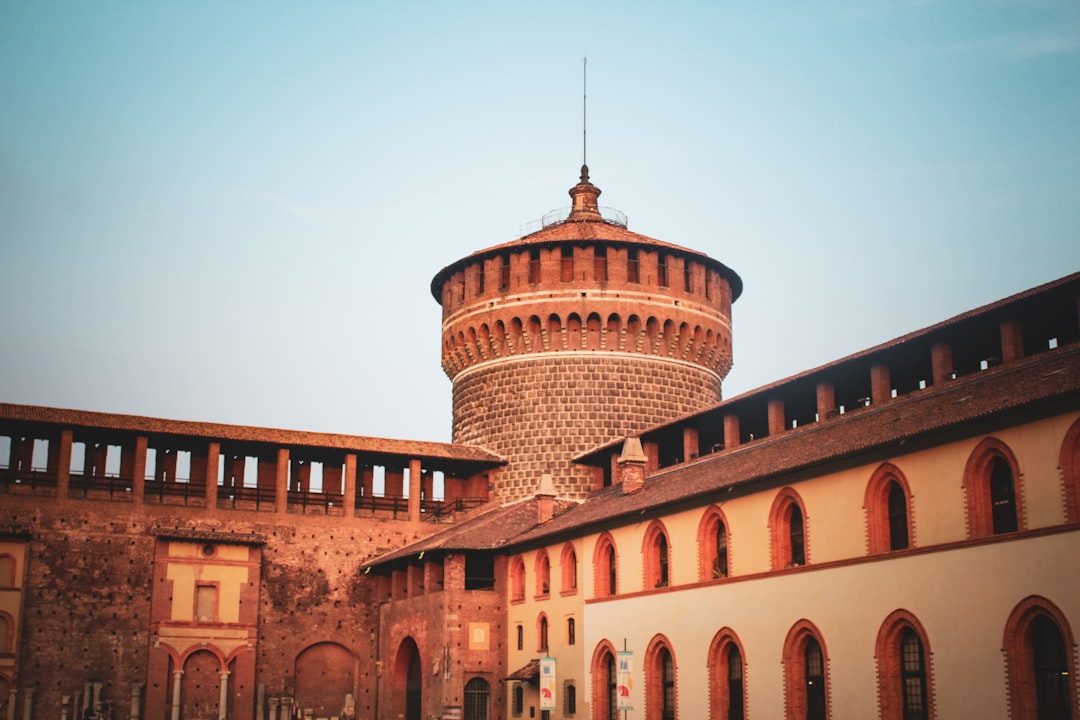
The Sforza Castle features architecture that blends medieval and Renaissance styles, a perfect example of how functionality can meet aesthetics. Entering the castle, one can marvel at the keep, an imposing tower that rises towards the sky. Its massive structure is characterized by a series of battlements and loopholes that speak of an era when the castle served as a defensive fortress.
But it is inside that one can discover the most fascinating details: frescoes that adorn the rooms, coffered ceilings, and inlaid marble floors. Each hall tells a unique story, such as the Hall of the Boards, decorated with a fresco by Leonardo da Vinci that represents a lush garden. Here, Leonardo's genius merges with the magnificence of the castle, creating an enchanting atmosphere that captures the imagination of those who enter.
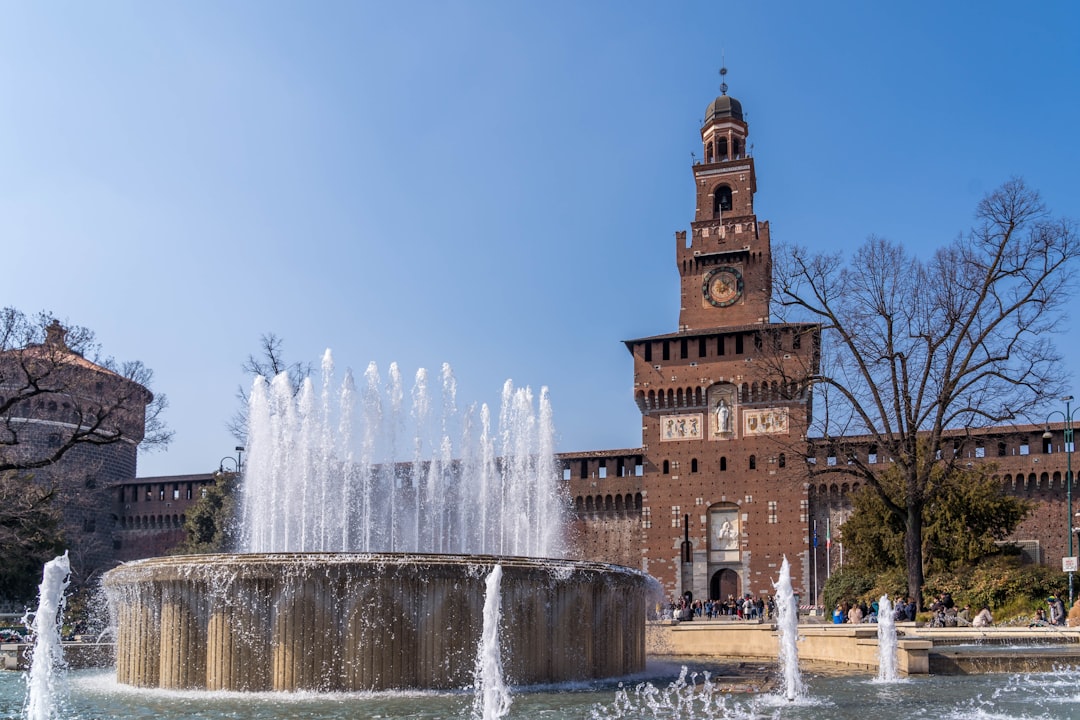
Secret gardens and hidden spaces
Many visitors miss the beauty of the gardens surrounding the Sforza Castle. While Sempione Park is known for its vast green areas and its famous Arch of Peace, the castle gardens offer a more intimate refuge. Here, among aromatic plants and colorful flowers, one can find peace and tranquility, away from the hustle and bustle of the city.
A special corner is the Sculpture Garden, where works by contemporary artists intertwine with the history of the castle. Here, visitors are invited to contemplate not only the beauty of nature but also how art can engage with the surrounding environment. A walk among the sculptures offers a unique sensory experience that stimulates reflection and appreciation for human creativity.
Artistic treasures not to be missed
Inside the halls of the castle, there are numerous works of art that testify to the greatness of Milan's art collection. The Museum of Ancient Art, for example, houses frescoes, statues, and furnishings dating back to different historical periods. Among the most precious pieces is Michelangelo's Pietà Rondanini, the artist's last work, which embodies his quest for perfection and his deep connection to spirituality.
Furthermore, the castle hosts a vast collection of weapons and armor, which tell the military history of the city. Each displayed piece is a silent witness to battles and conquests, offering a fascinating insight into life in the past. The variety of exhibited objects allows for an understanding not only of the evolution of military technology but also of the art and culture that lie behind every shield and sword.
Conclusion: a journey through time
Visiting the Sforza Castle is much more than just a simple tourist excursion; it is a journey through time that offers the opportunity to immerse oneself in the history and culture of Milan. From the grand architecture to the priceless works of art, every corner of the castle is an invitation to explore and discover. Don't forget to take part in this fascinating journey and let yourself be surprised by the hidden treasures that the Sforza Castle has to offer.
Whether you are passionate about history, art, or simply looking for a charming place to spend time, the Sforza Castle is a must-see stop on your visit to Milan. You will discover that, beyond its famous facades, there are entire worlds to explore within its walls.


