
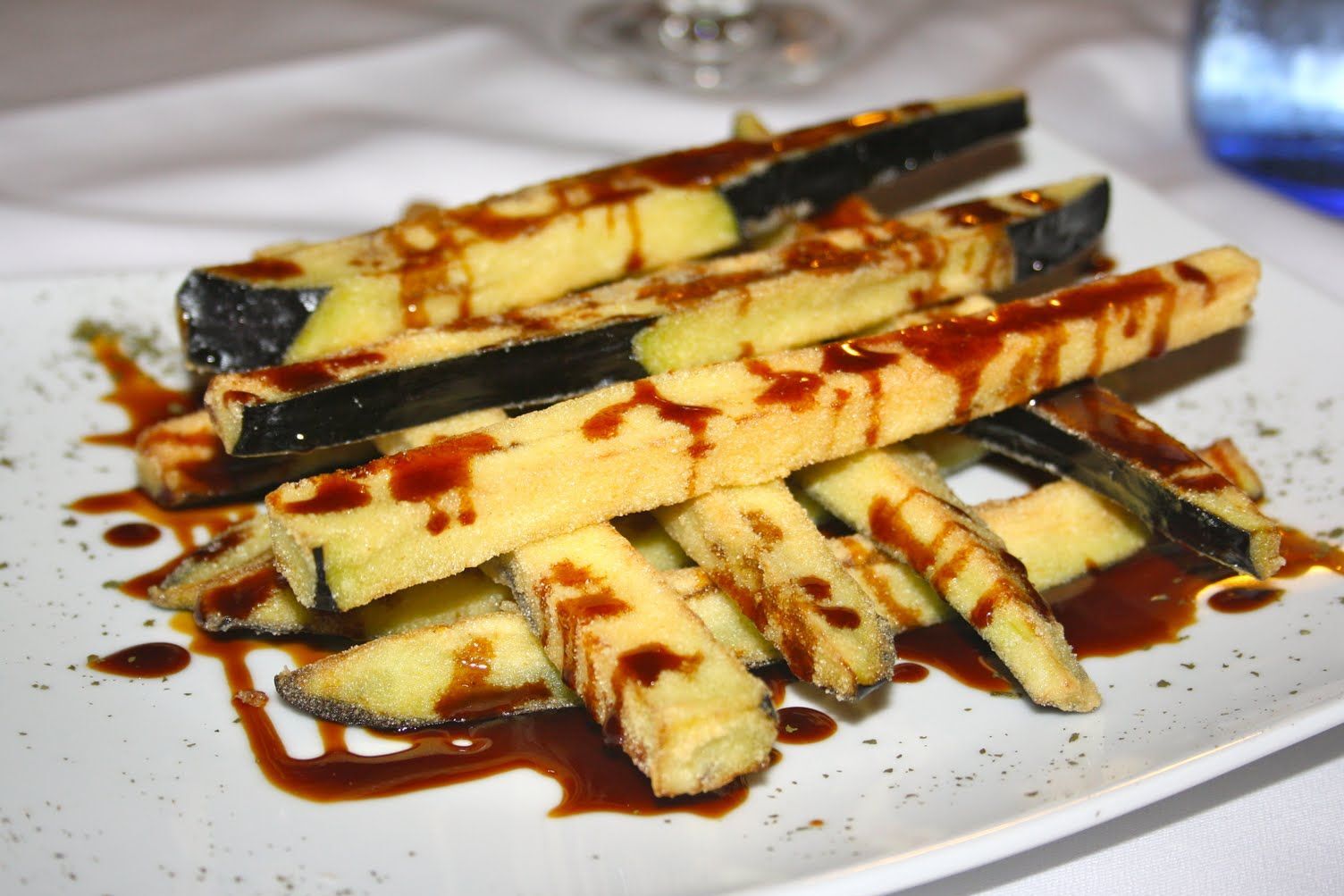

In the heart of Cordoba, a culinary battle brews over one beloved dish: fried aubergines. This crispy delight, often served in local taverns and restaurants throughout the historic center, has become synonymous with the city's vibrant food scene. The simple act of enjoying fried aubergines has transformed into a social phenomenon, with locals divided into two fierce factions: those who swear by the rich sweetness of cane honey and those who prefer their aubergines unadorned, simply seasoned.
History and Origins
The story of fried aubergines in Cordoba dates back to the moorish influence during the 8th to 15th centuries, when the region flourished as a center of trade and culture. The introduction of various fruits and vegetables, including the eggplant, laid the groundwork for a unique culinary tradition that intertwines with the city’s agricultural practices. Eggplants, known as "berenjenas," were cultivated extensively and became a staple in local diets. Over time, the method of frying them in olive oil emerged, reflecting the Andalusian habit of incorporating seasonal produce into everyday meals.
This dish became particularly popular in the 20th century, as it was featured prominently in local markets and food fairs. The use of cane honey, a product of the region’s sugar cane cultivation, added a sweet dimension that appealed to many. As the years passed, the fried aubergine evolved, but the debate between honey enthusiasts and purists only intensified.
Art and Architecture
While enjoying fried aubergines, visitors to Cordoba cannot overlook the city's rich architectural tapestry. The city boasts a stunning blend of Moorish, Renaissance, and Baroque styles, with the Mezquita-Catedral—a UNESCO World Heritage site—standing as a testament to its historical significance. This architectural marvel, originally a mosque, features exquisite arches and intricate tile work that reflect the city's Islamic heritage.
Beyond the Mezquita, the Alcázar de los Reyes Cristianos offers a glimpse into the past with its lush gardens and medieval fortifications. Each corner of Cordoba tells a story, echoing the same passion that locals have for their fried aubergines. The artistry of the city's structures complements the artistry present in its food culture, as both are steeped in tradition and local pride.
Local Culture and Traditions
The culture of Cordoba is vibrant and multifaceted, deeply rooted in traditions that celebrate its diverse heritage. Festivals such as Fiestas de la Cruz in May showcase elaborate floral crosses throughout the city, where locals gather to enjoy music, dance, and, of course, food. This event reflects the communal spirit of Cordoba, where sharing meals, including fried aubergines, is a way to foster connections.
Another significant event is the Patios Festival, where the city’s stunning patios bloom with colorful flowers, attracting visitors from around the world. These celebrations intertwine with the culinary landscape, as local dishes are enjoyed in the company of friends and family.
Gastronomy
The culinary scene in Cordoba is rich and varied, with fried aubergines holding a special place in the hearts of locals. Beyond the aubergines, traditional dishes such as salmorejo—a thick tomato-based soup topped with hard-boiled eggs and jamón—are also essential components of Cordoba's gastronomy. The merging of flavors, such as combining fried aubergines with salmorejo, showcases the creativity of the city’s chefs, who are eager to innovate while respecting tradition.
Dining in Cordoba is not just about the food; it’s an experience steeped in conviviality. Meals are typically enjoyed late into the night, with tapas culture encouraging sampling various dishes, including the ever-controversial fried aubergines.
Lesser-known Curiosities
One interesting tidbit that often escapes the attention of tourists is the role of fried aubergines in local folklore. Legend has it that the dish was a favorite of the famous Spanish poet Luis de Góngora, who would indulge in them while penning his verses in the city's taverns. Additionally, many locals claim that the secret to perfect fried aubergines lies not only in the batter but also in the quality of the olive oil used, with some families guarding their recipes as fiercely as their heritage.
Another hidden gem is the small taverns where locals gather to debate the merits of honey versus no honey. These establishments often have their unique twists on the dish, showcasing the creativity and passion of the community.
Practical Visitor Information
The best time to visit Cordoba is during the spring (April to June) and fall (September to November) when the weather is pleasant, and festivals are in full swing. For an authentic culinary experience, venture into local markets like the Mercado Victoria, where you can find many vendors serving up fried aubergines alongside other local delicacies.
When dining out, look for establishments that offer both variations of fried aubergines—to fully immerse yourself in the local culinary debate. Engaging with locals about their preferences can lead to delightful conversations and recommendations for the best spots to enjoy this iconic dish.
As you explore the rich tapestry of Cordoba and indulge in its culinary delights, consider using the Secret World app to craft a personalized itinerary that ensures you don’t miss a single fried aubergine experience.


