


Nestled at the base of Mount Inari in southern Kyoto, Fushimi Inari-Taisha is a mesmerizing tapestry of history, art, and spirituality. This Shinto shrine, often depicted in vibrant photographs, draws visitors with its seemingly endless rows of vermilion torii gates. These gates create a stunning corridor that weaves through the forested mountain trails, inviting both pilgrims and tourists alike to explore its sacred paths.
The origins of Fushimi Inari-Taisha trace back to the early 8th century, making it one of Japan's oldest and most significant Shinto shrines. Founded in 711, the shrine was dedicated to the gods of rice and sake by the powerful Hata clan. Inari, the deity to whom the shrine is dedicated, is revered as the protector of rice cultivation and, by extension, prosperity. Throughout Japan's history, the shrine has been a pilgrimage site for those seeking blessings for success and abundance. The Edo period (1603-1868) saw a significant increase in the number of torii gates, donated by individuals and businesses hoping for good fortune, a tradition that continues to this day.
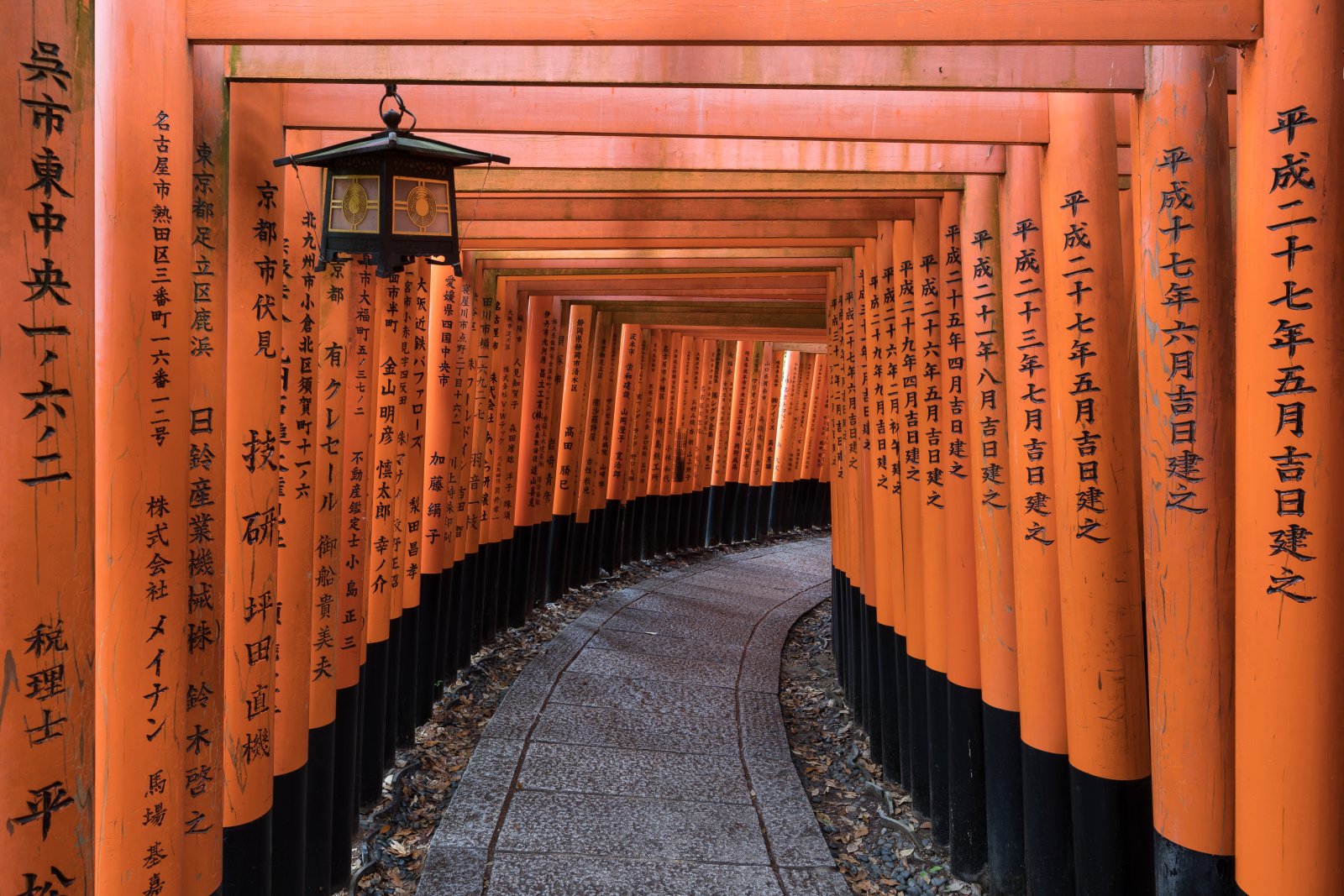
Architecturally, Fushimi Inari-Taisha is a splendid example of Shinto design, characterized by its bold use of vibrant colors and harmonious integration with nature. The main shrine, or honden, features the distinct Shinto architectural style called nagare-zukuri, with its sweeping rooflines and simplistic elegance. The thousands of torii gates, painted in vivid vermilion, are inscribed with the names of donors and have become an iconic symbol of the shrine. Among the art treasures within the shrine complex, the Senbon Torii—a dense cluster of gates—is particularly captivating, providing a uniquely immersive experience.
Culturally, Fushimi Inari-Taisha holds a special place in the hearts of the Japanese people. It is the head shrine of all the Inari shrines across Japan, numbering over 30,000. The shrine is especially vibrant during the Setsubun Festival in February, where traditional rituals are performed to ward off evil spirits and bring good luck. Another significant event is the Motomiya-sai festival held in June, which includes a procession of mikoshi (portable shrines), showcasing local traditions and community spirit.
The culinary landscape around Fushimi Inari-Taisha is a delightful exploration of Kyoto's flavors. Visitors can savor local specialties such as inari sushi—rice wrapped in sweet, tangy tofu skin, named after the deity. Street vendors offer a variety of snacks like yakitori (grilled chicken skewers) and yatsuhashi (sweet rice flour confections), infusing the air with tantalizing aromas.
For those with an eye for the obscure, Fushimi Inari-Taisha has its share of hidden gems. Few tourists realize that the shrine complex spans over 2.5 miles of trails that lead to the summit of Mount Inari. Along these paths, small, lesser-known shrines and stone fox statues—messengers of Inari—dot the landscape. Each fox holds a symbolic object in its mouth, such as a key or jewel, adding layers of meaning to the journey. Another curiosity is the Omokaru Ishi, or "light and heavy stones," where visitors test their luck by lifting stones and guessing their weight.
When planning a visit to Fushimi Inari-Taisha, timing can enhance the experience. Early mornings or late afternoons offer a serene atmosphere and softer lighting for photography, avoiding the midday crowds. Comfortable walking shoes are essential, as exploring the full trail can take up to two hours. As you navigate the pathways, pay attention to the kanji inscriptions on the torii gates, a testament to the enduring tradition of patronage.
Whether drawn by its historical roots, architectural beauty, or spiritual allure, Fushimi Inari-Taisha is a profound journey through the rich tapestry of Japanese culture. This sacred site not only offers a window into the past but also a living canvas of tradition and devotion, inviting you to partake in its timeless story.


