

In the heart of Kyoto Prefecture, the city of Uji hosts one of Japan's most fascinating cultural treasures: Ujigami Shrine. This sacred place, dedicated to Emperor Ōjin and his sons, is a sublime example of Shinto architecture and represents an unmissable stop for those wishing to immerse themselves in Japanese history and spirituality. Declared a UNESCO World Heritage Site in 1994, the shrine is an integral part of the Historic Monuments of Ancient Kyoto, a recognition that attests to its importance and cultural value.
Ujigami Shrine stands in a context of extraordinary natural beauty, surrounded by ancient trees and an atmosphere of peace and serenity. Its construction dates back to the Heian period, and its architectural design is considered the oldest example of the so-called "nagare-zukuri," a type that features side structures with a larger central building. This architectural element, along with its history, makes the shrine a place of great charm for visitors.
Historical and Cultural Context
Ujigami Shrine was erected as a guard place for the nearby Byōdō-in Temple, another site of great historical and cultural significance. The construction of the shrine was commissioned in honor of Uji no Wakiiratsuko, an imperial prince who, according to tradition, committed suicide to resolve a dispute over imperial succession. This connection with the imperial family gives the shrine a particular importance within Japanese history, making it not only a place of worship but also a symbol of nobility and sacrifice.
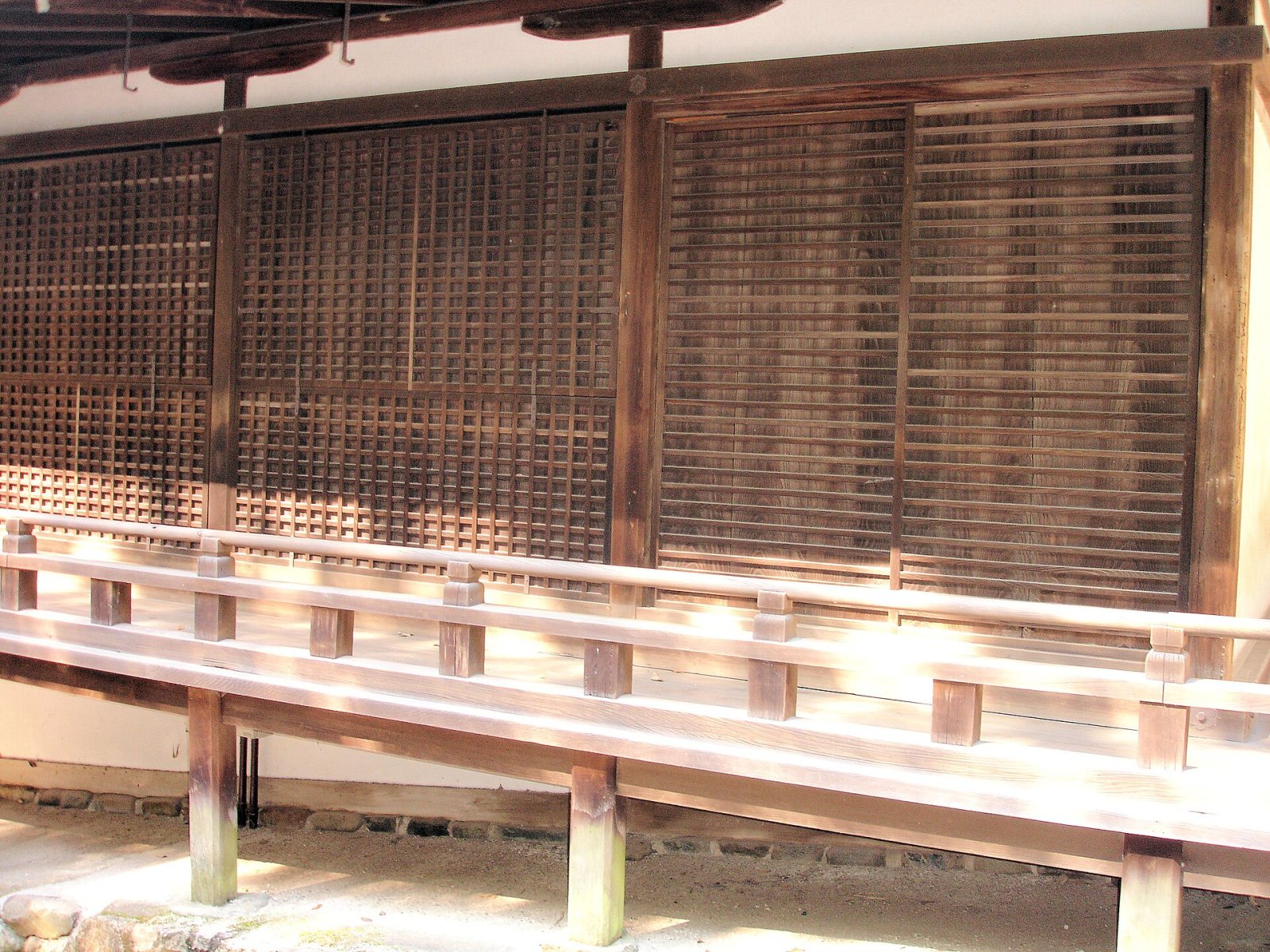
Beyond its spiritual significance, Ujigami Shrine represents an exceptional example of Japanese art and architecture. The honden structure, dating back to the end of the Heian period, is a masterpiece of balance and harmony, while the haiden, dating from the Kamakura period, showcases the stylistic evolution of sacred buildings in Japan. The beauty of these structures, along with their history, makes them an important attraction for scholars and tourists from all over the world.
What Stands Out About the Place
One of the most fascinating features of Ujigami Shrine is its architecture, which reflects the deep connection between man and nature. The elegant lines and materials used blend perfectly with the surrounding environment, creating an atmosphere of tranquility and contemplation. Every corner of the shrine invites reflection, making it an ideal place for a meditative pause away from the hustle and bustle of modern life.
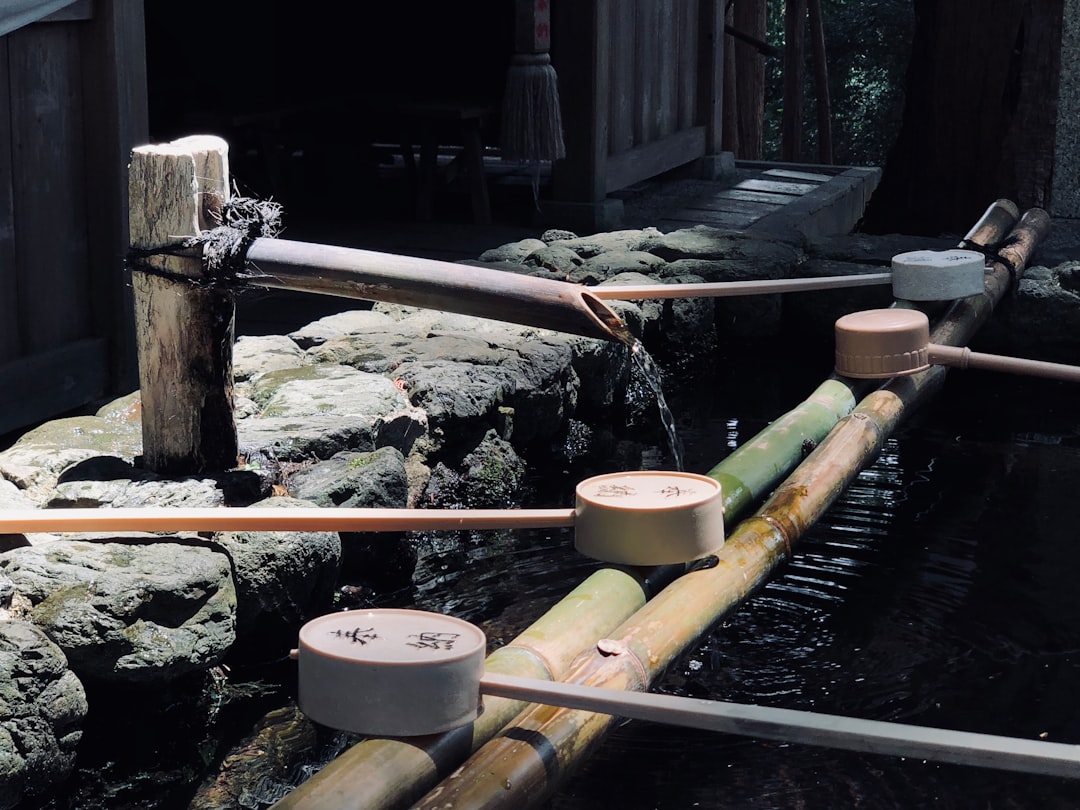
Moreover, the presence of ancient trees and the gentle sound of flowing water nearby further enrich the sensory experience of visitors. The shrine is a place where the sacred and the profane meet, and the natural beauty that surrounds it contributes to creating an environment of serenity and respect, essential for those wishing to approach Japanese culture authentically.
Visiting Experience
Visiting Ujigami Shrine is an experience that engages all the senses. The walk leading to the shrine is dotted with small architectural and natural details that tell stories of a distant past. At the entrance, visitors are welcomed by an atmosphere of sacredness and respect, an invitation to leave behind daily worries. Once inside, it is possible to observe traditional ceremonies and Shinto rituals, which offer a direct glimpse into Japanese spiritual practices.
During the visit, it is advisable to take time to explore the surrounding paths, which offer breathtaking views and unique photographic opportunities. The tranquility of the place, combined with the beauty of the gardens, makes every moment spent here an unforgettable experience. Don't forget to stop and reflect, savoring the beauty of the present, an invitation that Ujigami Shrine extends to all its visitors.
Practical Information for Visitors
Ujigami Shrine is easily reachable by public transport from the city of Kyoto, making it an ideal destination for a day trip. Once you arrive, it is advisable to wear comfortable shoes to explore the paths and surrounding areas. The shrine is open year-round, and each season offers a different atmosphere, from the sweet scent of cherry blossoms in spring to the autumn foliage that colors the landscape.
It is important to respect local customs during your visit, such as maintaining a quiet and respectful demeanor within the shrine. Visitors are invited to participate in ceremonies, if possible, and to enjoy a moment of personal reflection. For those wishing to further enhance their experience, the Secret World app offers detailed information and useful tips for exploring this and other magical places in Japan.


