
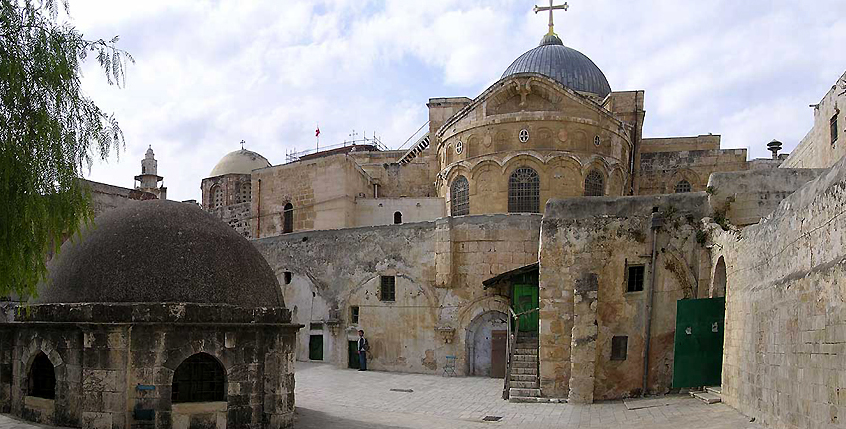

In the heart of Jerusalem, where ancient stones whisper tales of faith and conquest, stands the Basilica of the Holy Sepulchre. This revered site, often teeming with pilgrims and historians alike, is more than just a monument; it's a testament to centuries of religious fervor and architectural wonder.
The origins of this sacred basilica trace back to the early 4th century when Emperor Constantine the Great ordered its construction. The site is believed to encompass both the hill of Golgotha, where Jesus was crucified, and the tomb where he was buried and resurrected. Consecrated in 335 AD, the church has undergone numerous reconstructions, notably after a destructive fire in 614 AD and again following the Crusaders' expansion in 1149. Each layer of stone, each shadowy archway, narrates a chapter in the tumultuous history of Christianity.
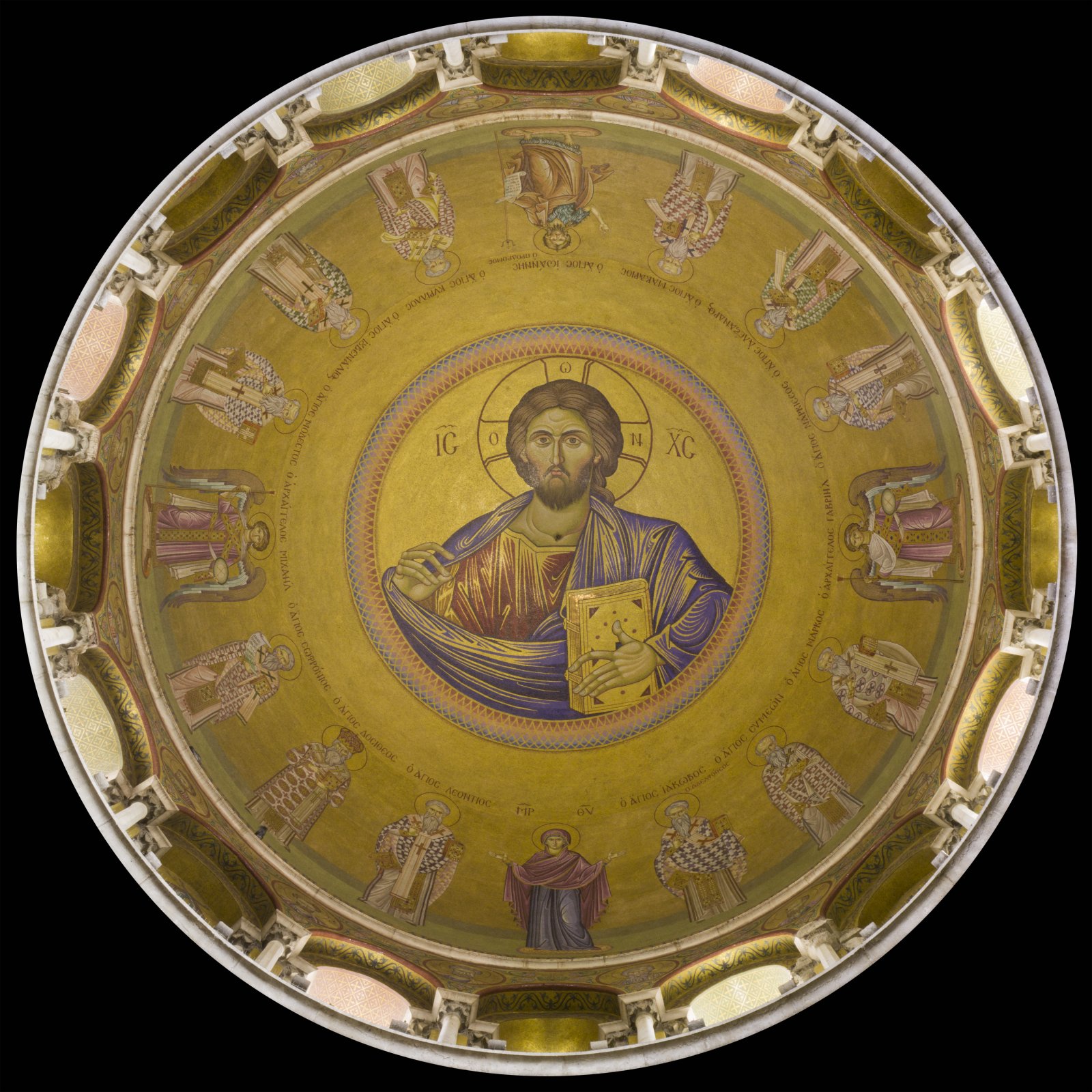
Architecturally, the basilica is a mosaic of styles, reflecting its complex history. From the Romanesque influences introduced by the Crusaders to the surviving Byzantine elements, the structure is a visual chronicle of changing eras and rulers. Noteworthy are the Rotunda and the Aedicule, housing the tomb of Christ, with their intricate stonework and solemn ambiance. The church is also home to an array of religious art, including centuries-old mosaics and frescoes that capture biblical scenes with vivid detail and spiritual intensity.
The basilica's cultural tapestry is as rich as its history. Six Christian denominations—Greek Orthodox, Roman Catholics (Franciscans), Armenians, Syrians, Copts, and Ethiopians—coexist within its walls, each with its own chapels and liturgical rites. This shared space is governed by a fragile balance, meticulously maintained through an arrangement known as the Status Quo, established in 1852. Throughout the year, the basilica comes alive with religious ceremonies, most notably during Easter, when thousands participate in the Holy Fire ceremony, a deeply symbolic event marking the resurrection of Christ.
Jerusalem's culinary scene offers a taste of its diverse cultural heritage. While visiting, indulge in local specialties such as falafel and hummus, or savor the richness of a shakshuka breakfast. These dishes, available in the bustling markets and quaint eateries surrounding the Old City, are a testament to the region's vibrant gastronomic traditions.
For those seeking lesser-known curiosities, the Chapel of Saint Helena, named after Constantine’s mother, is a hidden gem within the basilica. This chapel, located beneath the main floor, is often overlooked by hurried visitors. Another intriguing aspect is the Immovable Ladder, a small wooden ladder placed on a ledge above the church's entrance, untouched for centuries due to the Status Quo agreement.
When planning a visit, consider the early morning hours to experience the basilica with fewer crowds. This is also a prime time to witness the morning light filtering through the stained glass, casting a serene glow over the ancient stones. Remember to dress modestly, respecting the sanctity of the site, and take time to explore the various chapels and hidden corners.
To fully immerse in the spiritual and historical depth of the Basilica of the Holy Sepulchre, and to uncover personalized paths in Jerusalem, trust the Secret World app for a journey tailored just for you.


