


In the heart of Jerusalem, nestled at the southern flank of Mount Ophel, lies the Pool of Siloam, a site of profound historical and spiritual significance. This ancient pool, a testament to the city’s rich tapestry of history, culture, and religion, draws visitors not only for its biblical associations but also for its architectural and archaeological marvels.
History and Origins The origins of the Pool of Siloam trace back to the Middle Bronze Age when it was ingeniously fed by the waters of the Gihon Spring. This essential water source was linked to the pool through two aqueducts, the most notable being the Hezekiah’s Tunnel. This 533-meter-long tunnel, carved directly into the rock, was commissioned by King Hezekiah around the 8th century BCE to secure Jerusalem’s water supply against the impending Assyrian siege. Over the centuries, the pool has witnessed pivotal historical events, including its mention in the Gospel of John, where it is the site of Jesus' miraculous healing of the blind man.
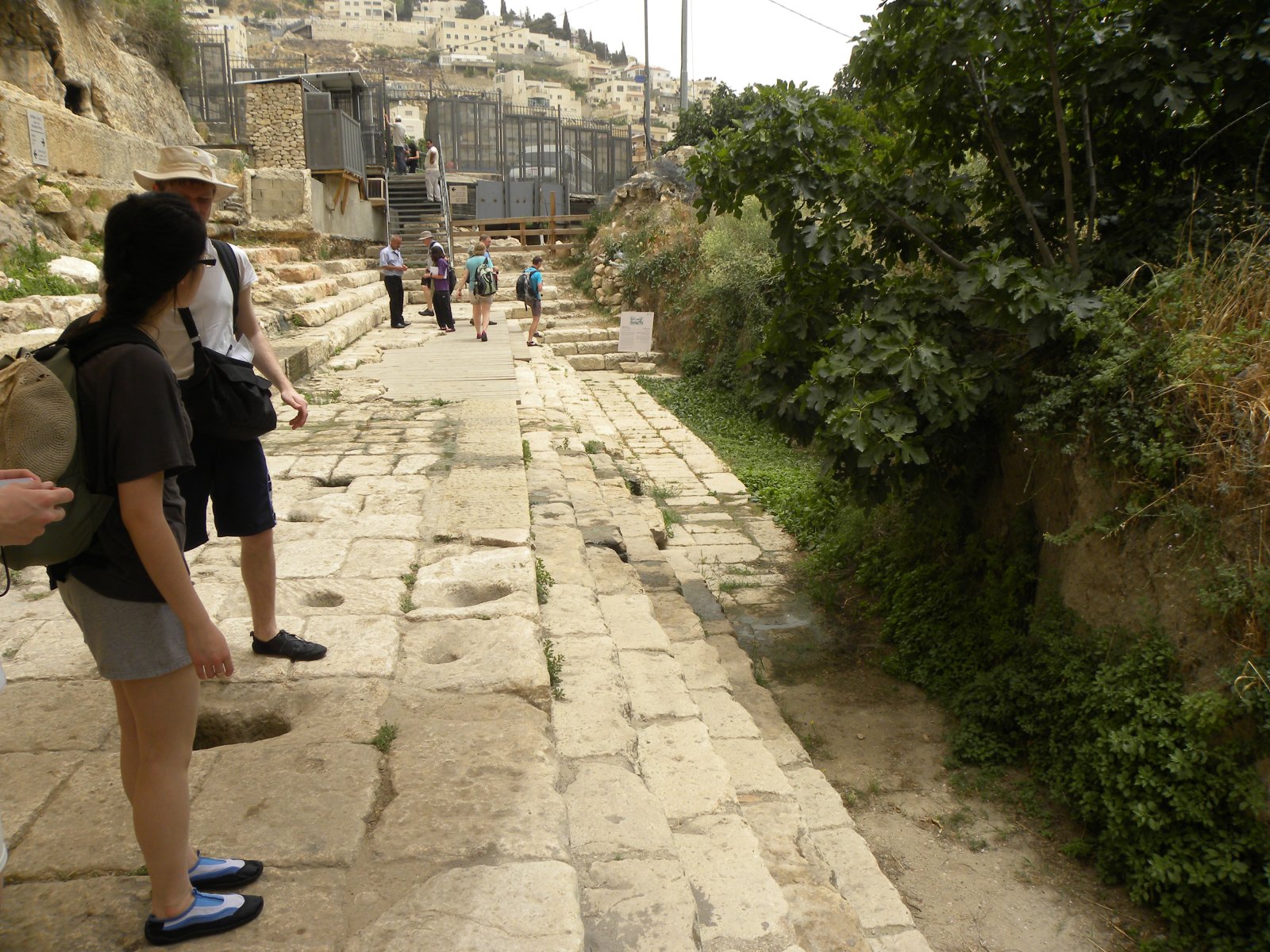
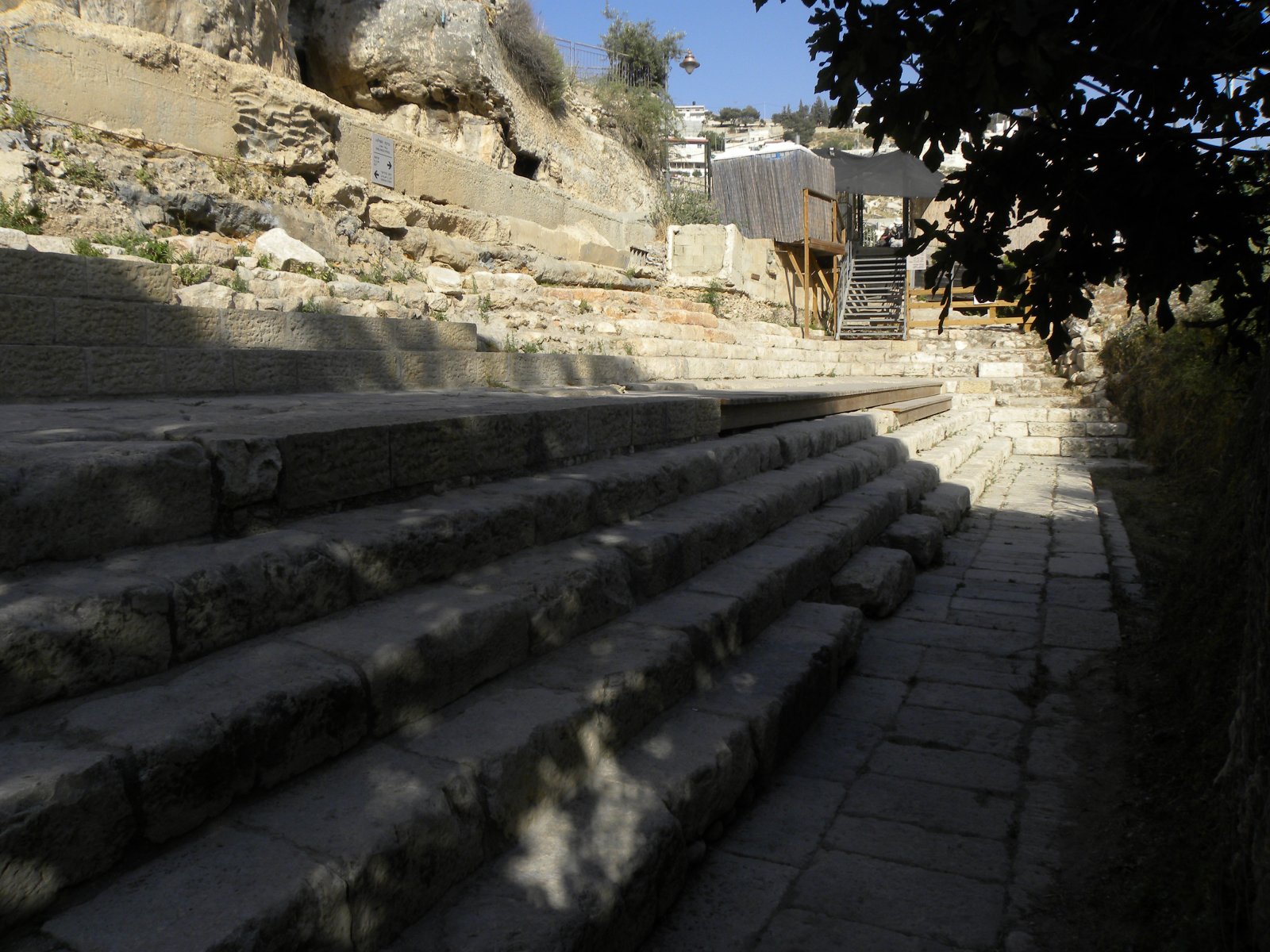
Art and Architecture Architecturally, the Pool of Siloam is a marvel of ancient engineering. The rock-cut pool, with its stone-lined edges, reflects the ingenuity of its creators who sought to harmonize necessity with functionality. Although much of the original structure has been eroded over time, archaeological excavations have revealed remnants of steps leading into the pool, suggesting it was designed for easy access. These steps and the surrounding structures are a testament to the blend of utility and aesthetic consideration in ancient Judean architecture.
Local Culture and Traditions The Pool of Siloam is steeped in cultural and religious traditions. For the Jewish community, it is a symbol of sacred purification, traditionally visited during the Feast of Tabernacles. The pool’s biblical associations make it a focal point for Christian pilgrimages, where the story of the blind man’s healing is often recounted. These traditions underscore the pool's enduring cultural significance across different faiths.
Gastronomy While the Pool of Siloam itself is not a culinary destination, its proximity to Jerusalem’s vibrant food scene means that visitors can indulge in local flavors. Traditional foods such as hummus, falafel, and shakshuka are staples, while the aromatic pomegranate juice and Israeli wine offer a taste of the region’s agricultural bounty. Exploring the nearby markets, such as Mahane Yehuda, provides a feast for the senses and a deeper connection to the local culture.
Lesser-Known Curiosities One intriguing aspect of the Pool of Siloam is the discovery of ancient coins and pottery shards during excavations, offering insights into the daily lives of those who once gathered there. Another lesser-known fact is that recent archaeological work has uncovered a second, older pool adjacent to the main one, hinting at a more complex water system than previously thought.
Practical Visitor Information The best time to visit the Pool of Siloam is during the spring or autumn when the weather is mild, allowing for pleasant exploration. Visitors should wear comfortable shoes as the terrain can be uneven. It's advisable to explore the site with a knowledgeable guide to fully appreciate its historical context and significance. Don’t forget to bring a camera to capture the timeless beauty of this ancient site.
For a truly bespoke experience in planning your visit to Jerusalem, consider using the Secret World app for a personalized AI itinerary.


