

In the pulsating heart of Jerusalem, the Western Wall represents not only an archaeological treasure but also a place of deep spirituality for millions of people around the world. Also known as the Kotel, this monument is the only visible remnant of the Second Temple, destroyed by the Romans in 70 AD, and continues to be a central landmark for the Jewish faith. Every day, visitors from every corner of the world gather here to pray, reflect, and immerse themselves in the sacredness of this place.
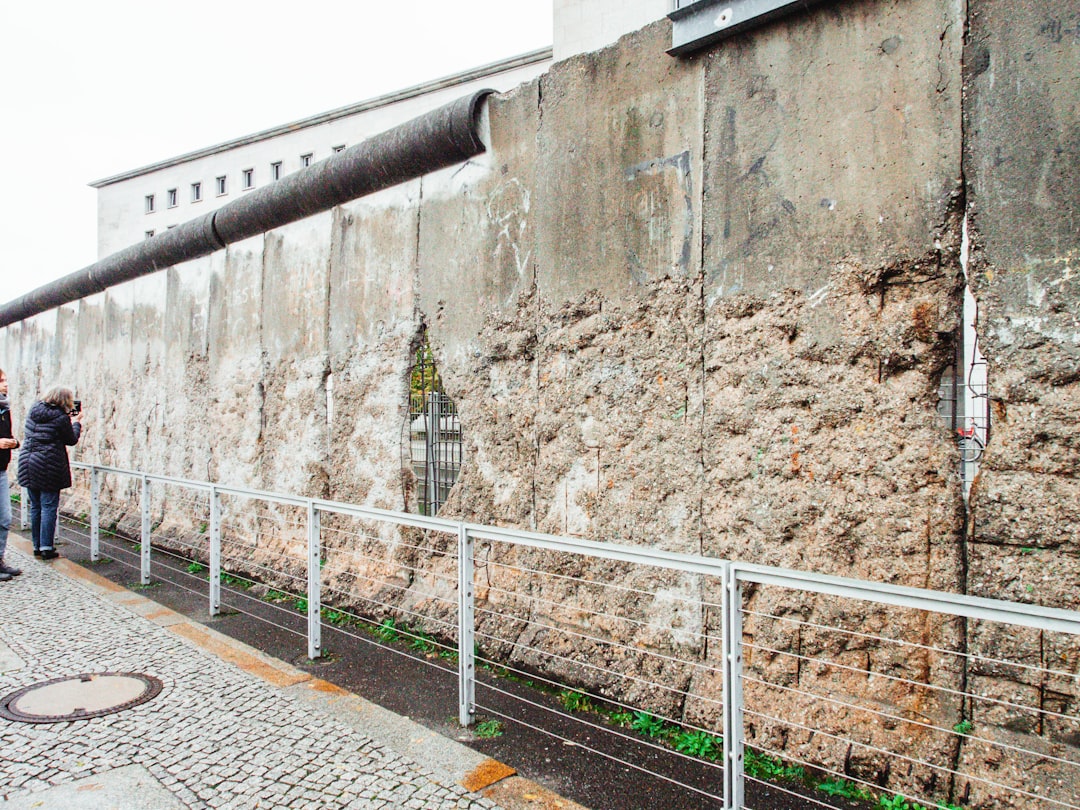
The ancient stones of the Wall, bearing the marks of time and history, tell stories of hope, desire, and spirituality. Every crack and every crevice of these massive rocks have witnessed fervent prayers and moments of great introspection. But what makes the Western Wall so special? In this article, we will explore not only its religious significance but also the unique atmosphere that permeates this extraordinary place of worship.
A Heritage of History and Spirituality
The Western Wall is the holiest site for Jews, and its veneration is rooted in millennia of history. Originally built as part of the Second Temple by Herod the Great, this area has served as a place of prayer and pilgrimage for Jews from around the world. Its surface is dotted with prayer notes, handwritten by faithful individuals seeking comfort and divine guidance. This ritual of placing notes between the cracks of the stones has become an emblematic gesture, symbolizing the deep bond between the individual and the divine.
Walking along the Wall, one can notice the different sections dedicated to specific religious groups. The central part is reserved for men, while the side area is for women, respecting Jewish traditions. In this context of spirituality and respect, one can also see tourists and visitors of other faiths, all united in recognizing the importance of this monument not only for Judaism but for all of humanity.
A Place of Union and Reflection
The Western Wall is not only a place of worship but also a meeting point for different cultures and religions. Every day, the sound of prayers, songs, and the murmur of visitors create a special harmony that fills the air. It is a place where religious and cultural barriers soften, and where the search for peace and human connection becomes palpable. During Jewish holidays, such as Yom Kippur and Sukkot, the Wall comes alive with an indescribable vitality, with thousands of people gathering to celebrate their faith and community.
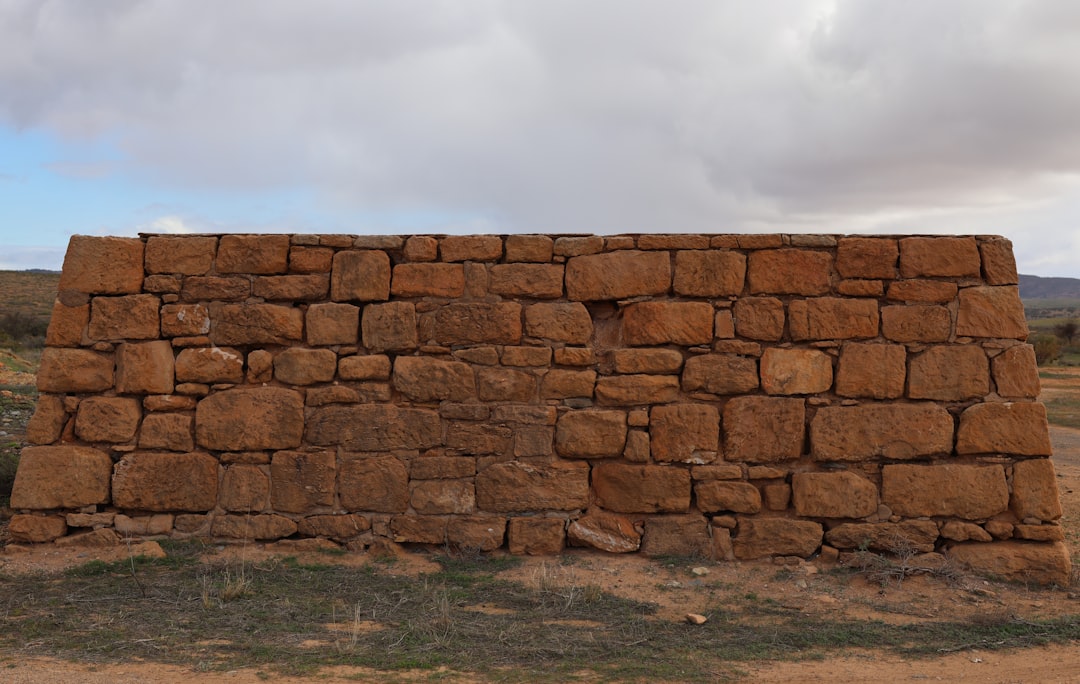
Furthermore, the architectural beauty of the Wall itself is breathtaking. The enormous stones, some of which weigh tons, are arranged to form an imposing monument that defies time. The shadows that stretch across the stones during sunset create a mystical atmosphere, inviting visitors to reflect and meditate. It is not uncommon to see people in prayer, eyes closed and hands resting on the rough surface of the Wall, as if they are trying to absorb the spiritual energy of the place.
Visit to the Wall: Tips and Suggestions
If you intend to visit the Western Wall, there are some useful information to keep in mind. It is advisable to dress respectfully; shoulders and knees should be covered. Opening hours vary, but the Wall is generally accessible 24 hours a day, allowing you to experience it at any time of the day. Early morning or late afternoon are the best times to visit, when tourists are fewer and the atmosphere is particularly peaceful.
During your visit, consider participating in one of the ceremonies that are held regularly. You might witness a Bar Mitzvah, a celebration of growth and responsibility for a Jewish boy, or simply join a collective prayer. These experiences can enrich your understanding of the Wall and its cultural and religious significance. Don't forget to bring a note on which to write your prayers or wishes; leaving it in the crevices of the Wall is a tradition that not only offers a sense of connection but also represents a gesture of hope.
Conclusions: A Journey into the Sacred
Visiting the Western Wall is much more than a simple tourist experience; it is a journey into the sacred, an opportunity to explore the spirituality, history, and culture of a place that holds such deep meaning for many people. The stones of the Wall tell stories of resilience and faith, and each visit offers the chance to reflect on universal themes such as hope, the search for meaning, and the desire for connection.
In a world that is often frantic and divisive, the Western Wall remains a beacon of unity and spirituality. Whether you are a curious visitor or a pilgrim seeking comfort, the Wall invites you to pause, listen, and immerse yourself in a story that is as ancient as it is eternal. Every step you take on this sacred ground brings you closer to a deeper understanding of what it means to be part of the vast and complex tapestry of humanity.


