
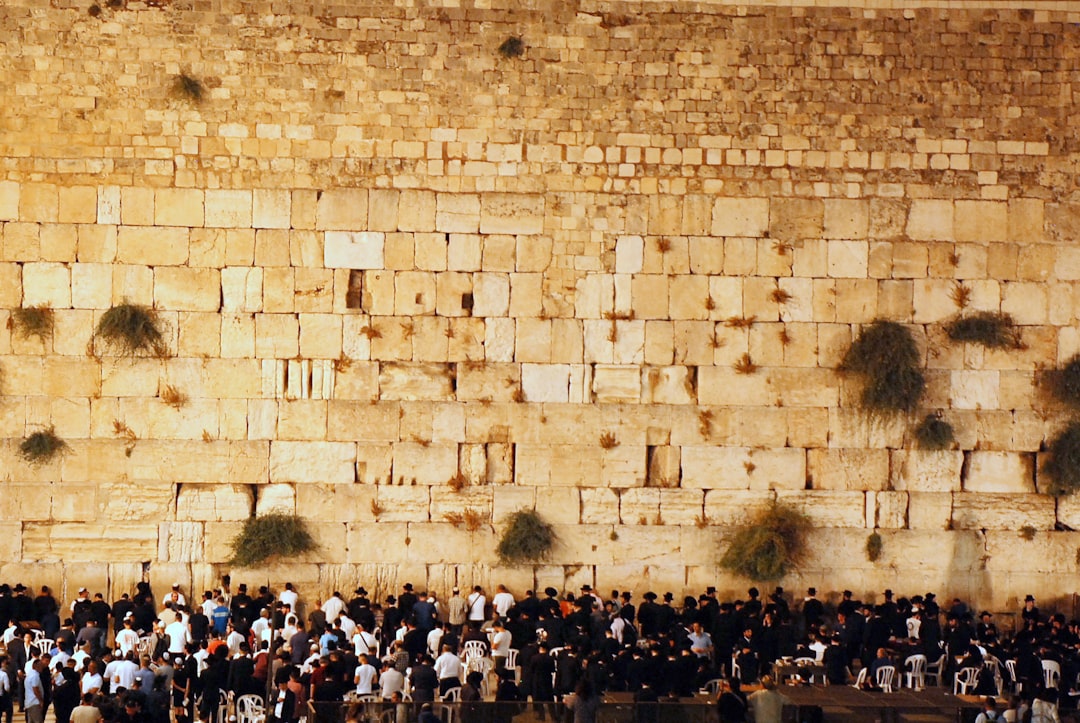

In the pulsating heart of Jerusalem, where the stones tell millennia-old stories and the threads of the sacred intertwine with everyday life, stands the Western Wall, also known as the Kotel. This place of worship is not only a symbol of the Jewish faith but represents a crossroads of spirituality, history, and culture, attracting millions of visitors each year. With its blocks of limestone, witnesses of a distant era, the Western Wall is the emblem of a religion that has defied time.
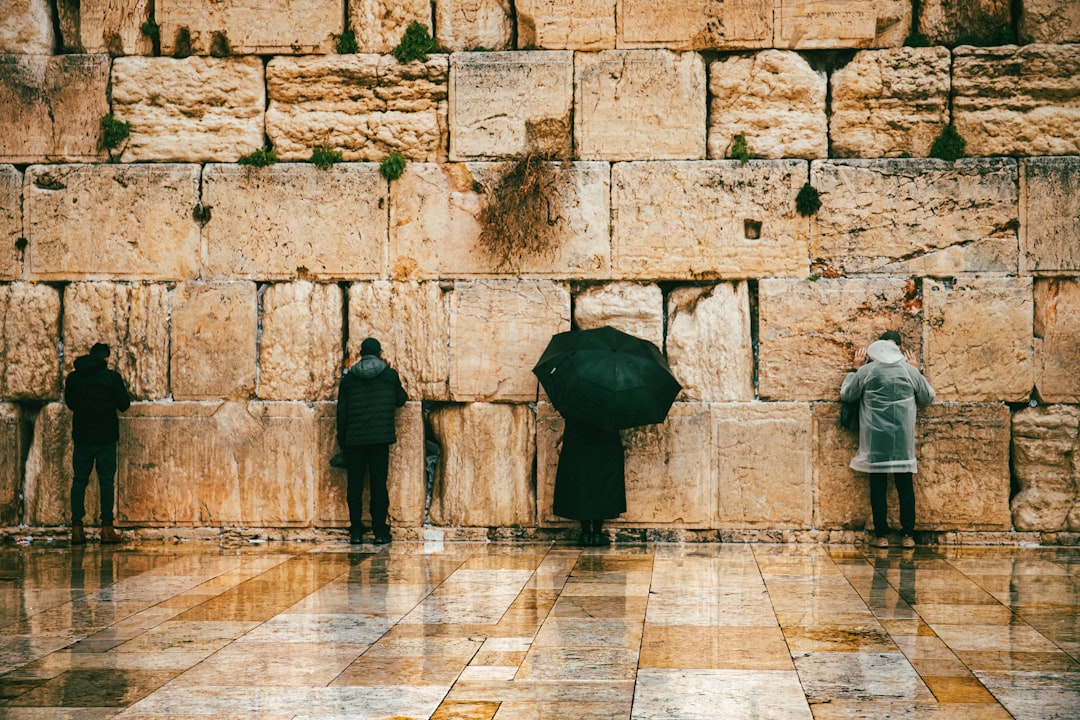
The origins of the Wall date back to the period of the Second Temple, destroyed in 70 AD by Titus, and since then it has maintained a profound significance for the Jewish people. Every stone, every crack tells a fragment of history and devotion, making this site not just a place to visit, but an experience to be lived intensely.
A Place of Prayer and Reflection
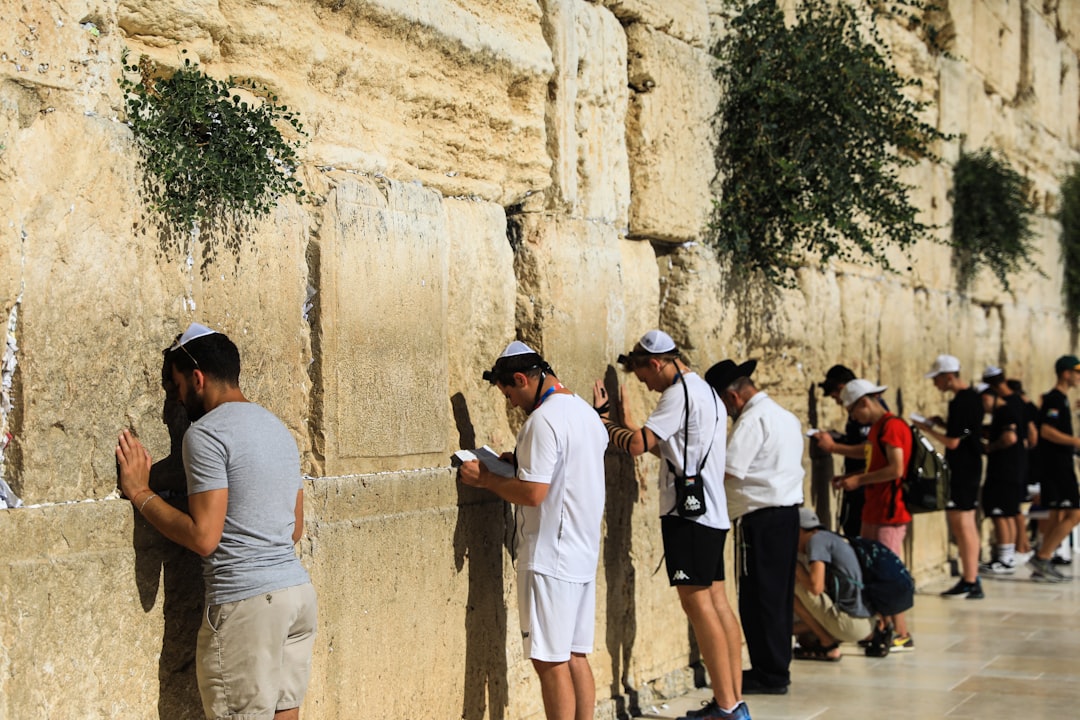
The Western Wall is the holiest site for Jews, where prayer blends with silence and contemplation. Every day, hundreds of worshippers gather to recite prayers, insert notes with wishes between the cracks of the stones, and ask for blessings. The atmosphere is thick with spirituality: the sound of whispered prayers, the rustle of tallit (prayer shawls), and the sight of women and men gathering in their respective spaces, enveloped by a sense of community and connection to the sacred.
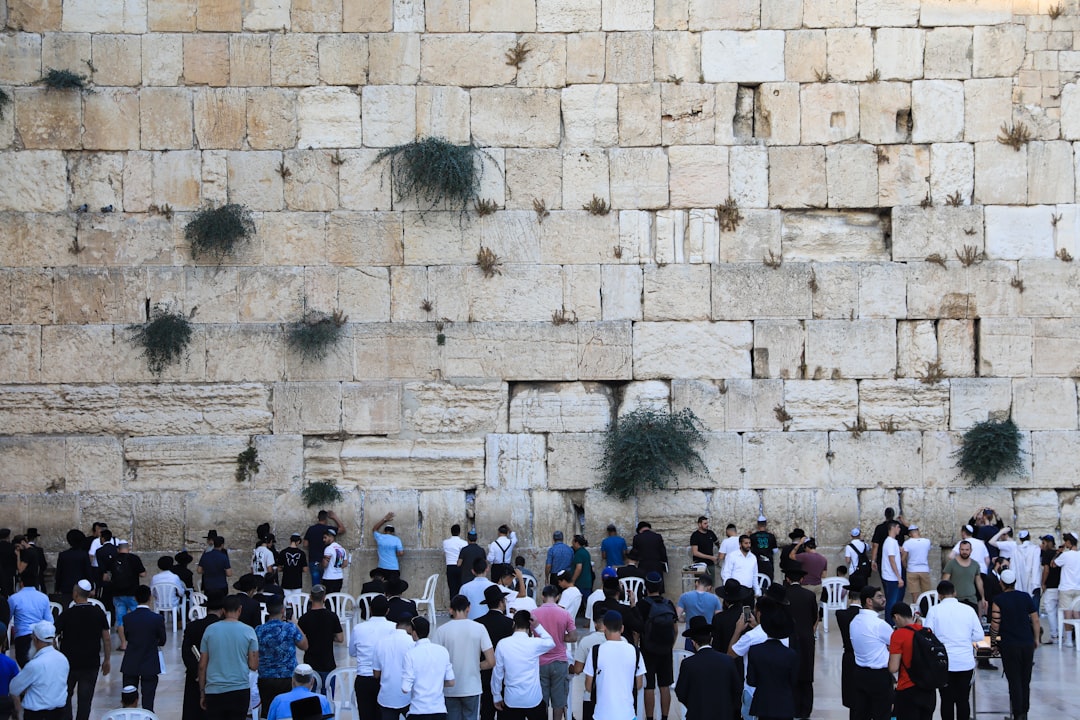
Ceremonies, especially during religious holidays, attract visitors from all over the world. At Rosh Hashanah, the Jewish New Year, and Yom Kippur, the Day of Atonement, the Wall transforms into a sea of emotions, with people embracing, crying, and singing, united in the same faith. Every tear shed and every prayer spoken is a tribute to a past that continues to live in the present.
History and Cultural Significance
The Western Wall is not only a religious symbol but also a sign of the resilience of the Jewish people. Its long history is marked by significant events, from the Roman occupation to the Ottoman era, to the division of Jerusalem in the 20th century. Each period has left an indelible mark on this place, making it a witness to wars, hopes, and dreams of peace.
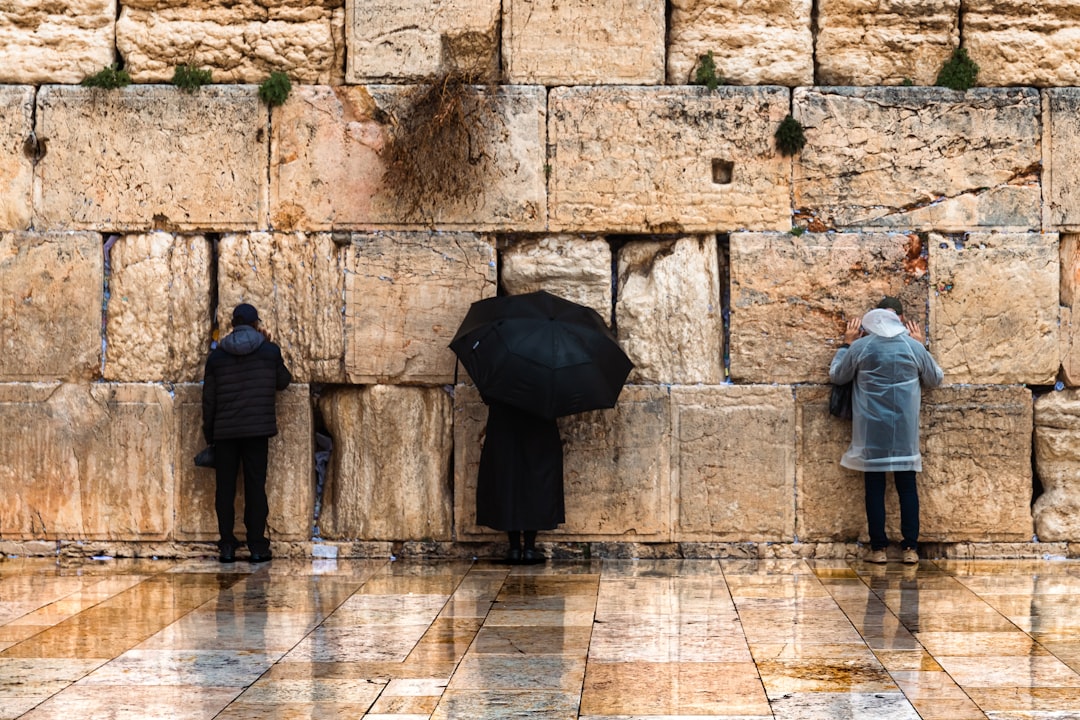
During the British mandate period, the Wall became a landmark for Jewish national aspirations and a gathering place for activists and historical figures. Today, with the current political and social context, the Western Wall represents not only a place of worship but also a symbol of identity and resistance. Its presence continues to inspire discussions and reflections on peace and coexistence.
An Experience to Live
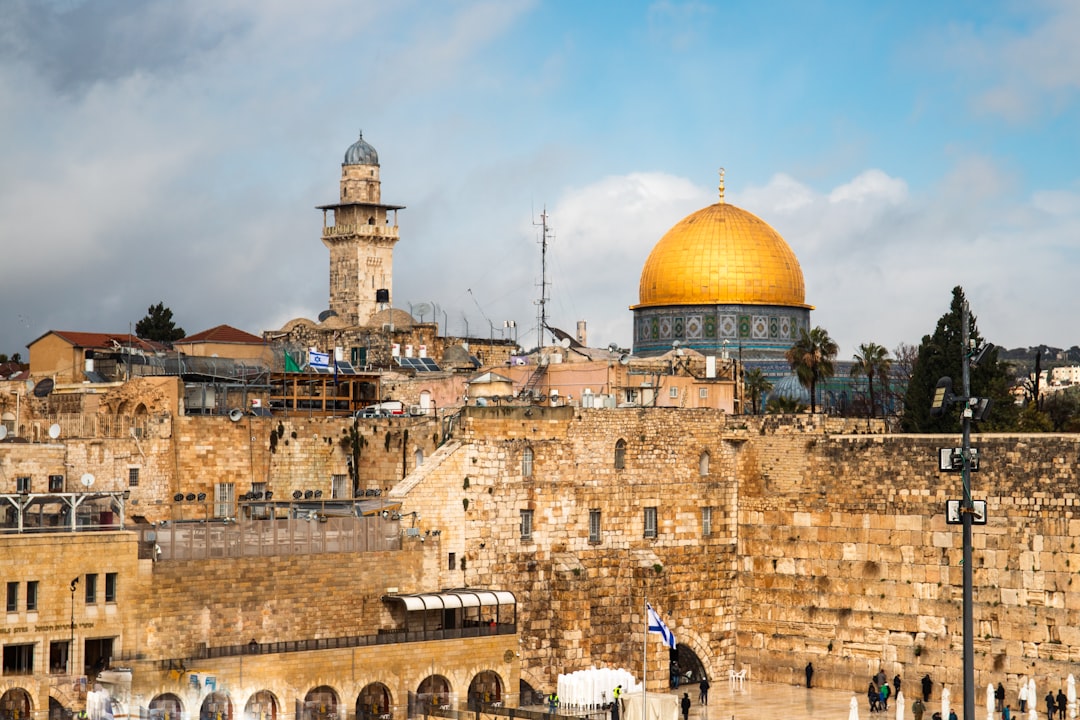
Visiting the Western Wall is a unique experience that goes beyond simple observation. It is an invitation to immerse oneself in a millennia-old history and to touch the spirituality that permeates the place. Visitors are welcomed with warmth and respect; it is advisable to adopt appropriate clothing, as a sign of respect for the sacredness of the site.
Many tourists take a moment to write their wishes and place them among the stones, a gesture that unites people from different cultures and faiths. The feeling of connection, not only with the place but also with others, is palpable. Families, couples, and individuals can be seen coming together in this act of devotion, creating an atmosphere of unity and hope.
Conclusion: A Message of Hope
The Western Wall is much more than a simple monument: it is a symbol of hope, a beacon of spirituality, and a call for peace. In a world often torn by conflicts, the Wall invites reflection on the importance of tolerance and mutual understanding. Every visit is an opportunity to learn, to meditate, and to dream of a better future. Coming to Jerusalem and experiencing the Western Wall means participating in a human and spiritual journey that transcends barriers and unites hearts.


