
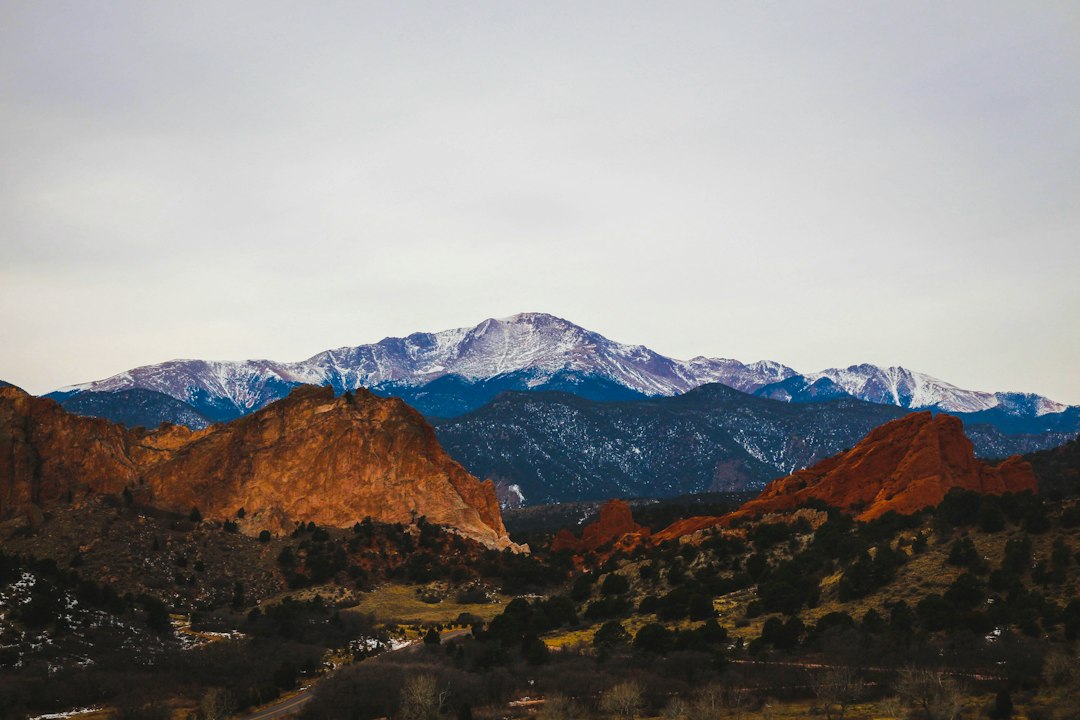

The water that springs from the sources of Karahayıt leaves an unmistakable trace on the rocks: an orange-rust flow that dyes the travertine terraces with shades ranging from brick to bright red. This unmistakable color is the result of the high iron content in the thermal waters that emerge from the underground of this small village, located just 5 kilometers from Pamukkale along the road that leads inland into the province of Denizli.
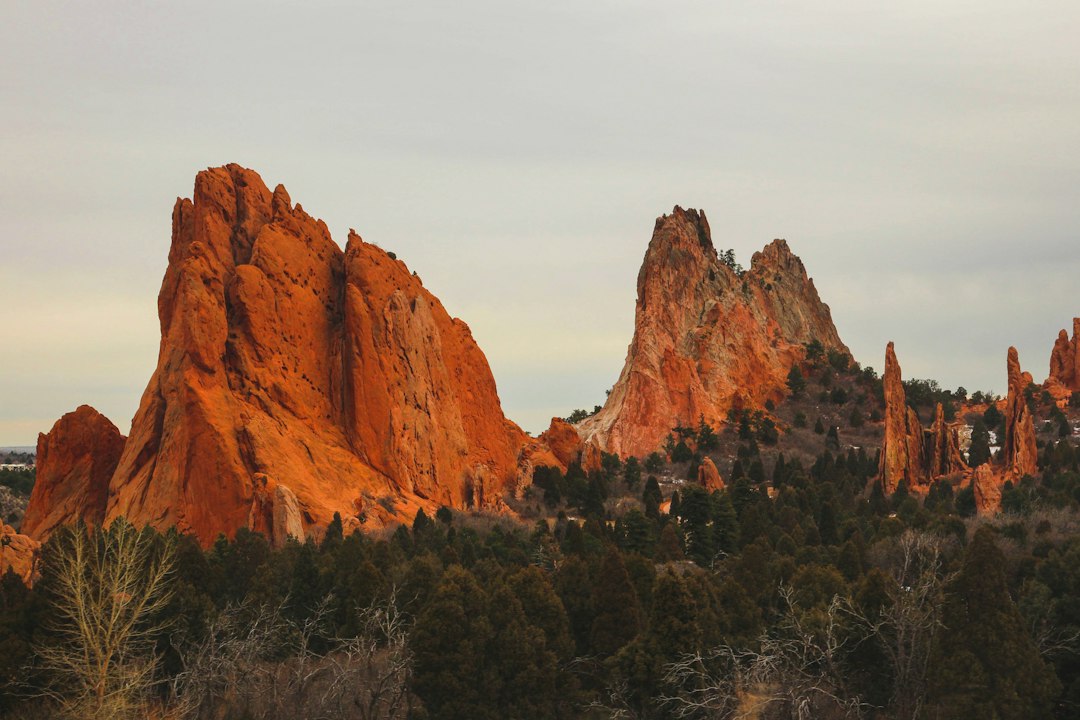
While tourist buses drop off thousands of visitors each day in front of the famous white terraces of Pamukkale, Karahayıt — also known as Red Springs — remains off the mass tourism circuits. The outdoor pools where one can soak in the thermal water are freely accessible or at very low costs compared to the commercial facilities of nearby Pamukkale, and the atmosphere is that of a place frequented mainly by local Turks who come here for therapeutic reasons, not to take photographs.
The iron-rich waters and their effects
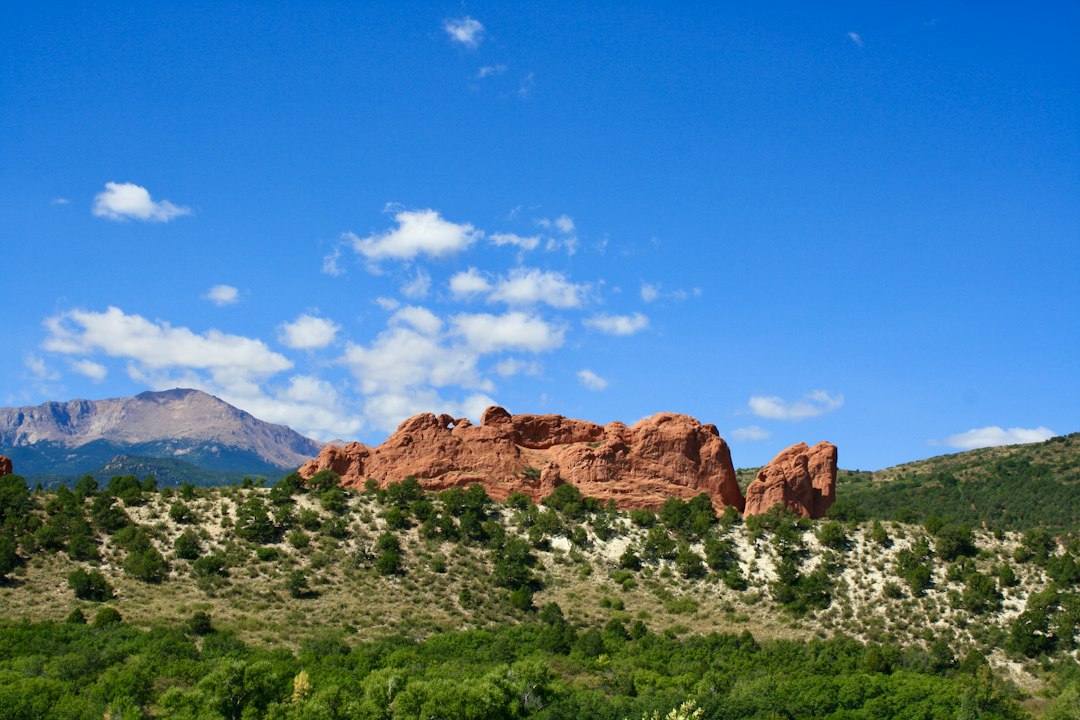
The main characteristic of the Karahayıt springs is the chemical composition of the water: rich in iron, bicarbonates, and minerals, it emerges at a temperature around 55-60 degrees Celsius at the source, then cools in the public baths to more tolerable temperatures for bathing. The orange-red color of the surrounding rocks is the visible deposit of these minerals over time, a continuous geological process that slowly transforms the landscape.
The iron thermal waters are traditionally associated with benefits for blood circulation and for certain skin conditions. Many Turkish visitors who frequent Karahayıt do so regularly, staying in the small thermal hotels of the village for multi-day treatments. This is not wellness tourism in the modern sense of the term, but a practice rooted in the local culture of Anatolian spas, present in this area for centuries thanks to the geothermal wealth of the Denizli region.
The terraces of red travertine
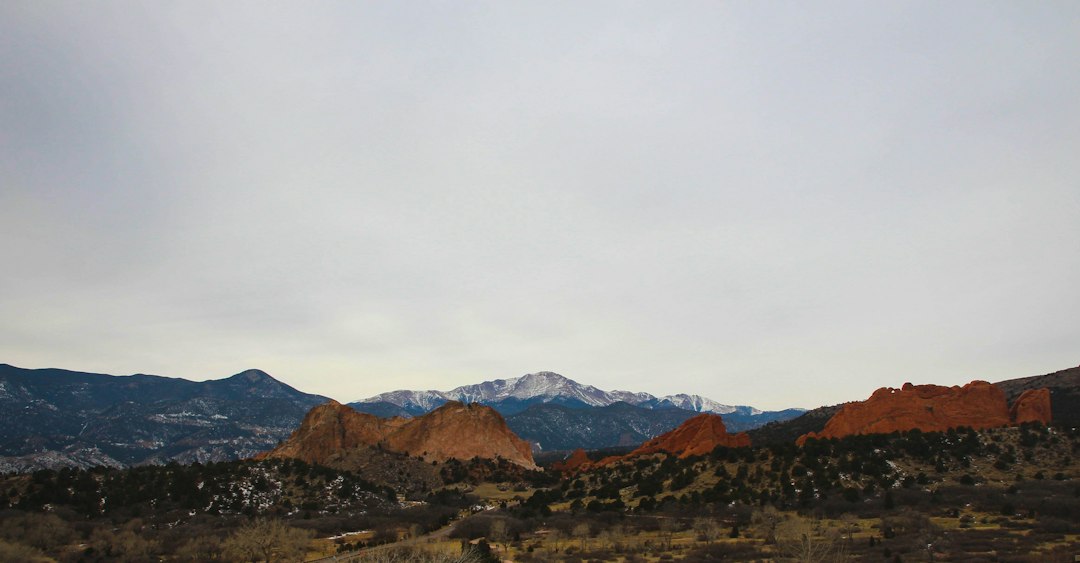
What makes Karahayıt visually distinct from Pamukkale is precisely the opposite color palette: where the terraces of Pamukkale are white due to calcium carbonate, those of Karahayıt are marked by flows of iron oxide that create layers of intense color. The travertine formations develop naturally and unfenced along the slope, and visitors can walk among the pools and closely observe the ongoing mineral deposition process.
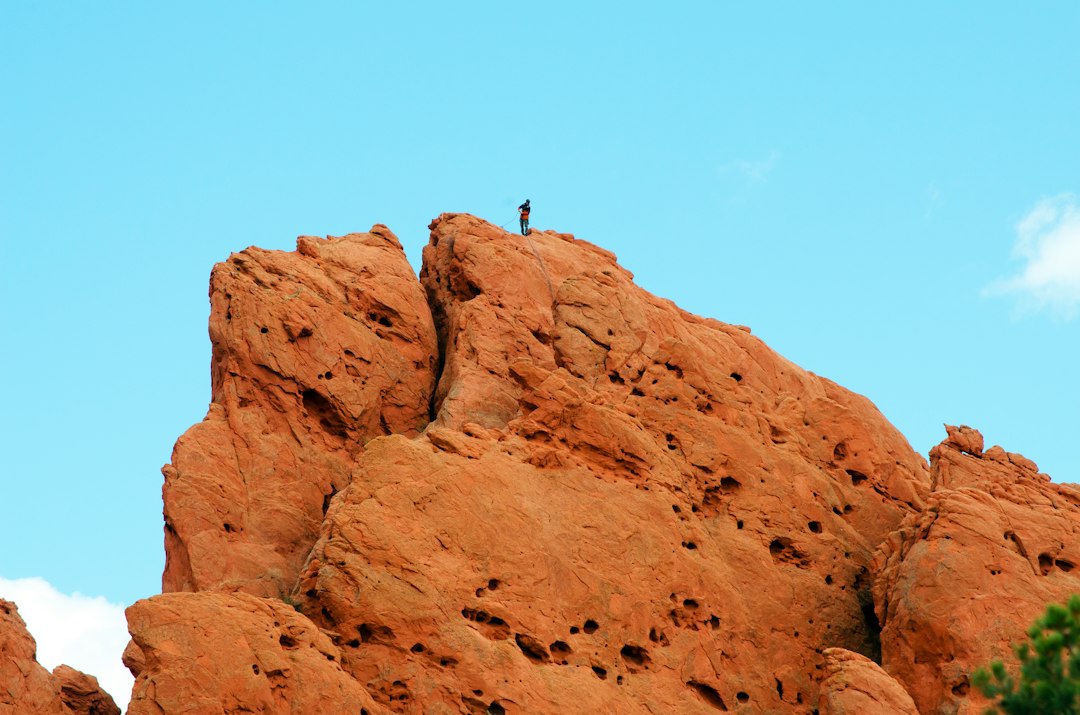
In some places, it is possible to see water still actively flowing over the rocks, leaving a fresh orange film on the edges of the pools. This continuity between the ongoing natural phenomenon and the possibility of physically immersing oneself in the water is something that no longer exists in Pamukkale: there, access to the terraces is heavily restricted for conservation reasons, and bathing is only allowed in a designated paid pool.
How to get there and when to visit
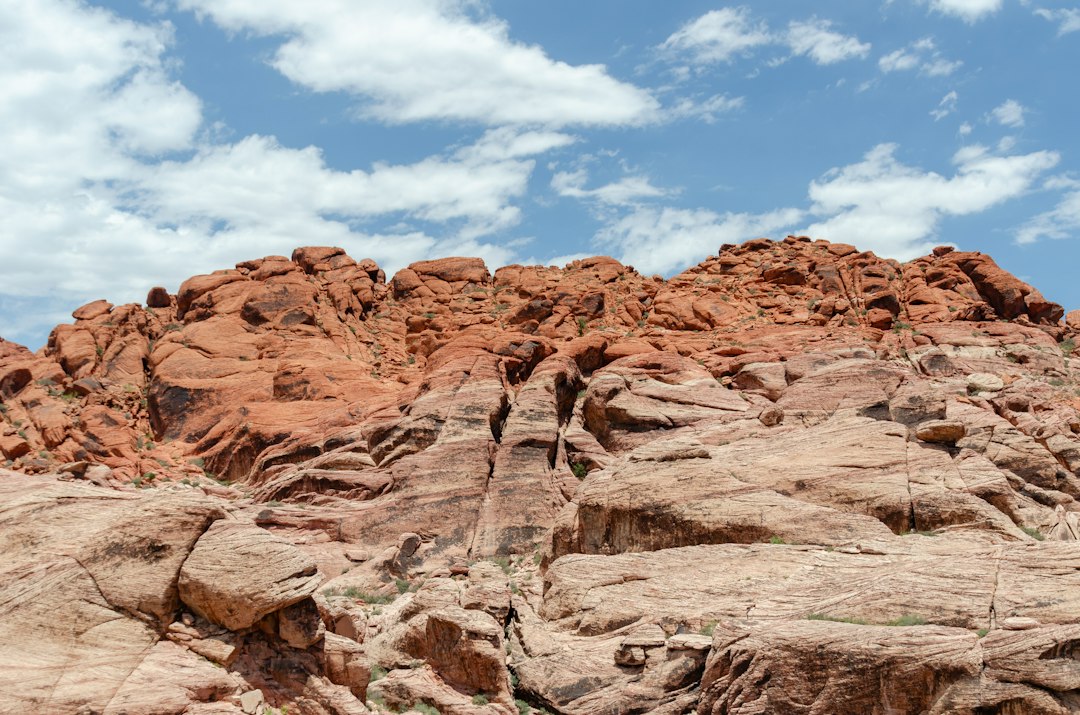
Karahayıt can be reached from Pamukkale with a short ride on a dolmuş — the shared Turkish minibuses — which connect the two centers several times a day for a nominal fee. Alternatively, the walking route between the two villages takes about an hour along a paved road with moderate traffic. Those staying in Denizli, the provincial capital about 20 kilometers away, can reach Karahayıt directly with local transport.
The best time to visit the outdoor pools is in the early morning, when the outside temperatures are cooler and the contrast with the warm water is more pleasant. In summer, the afternoon heat makes staying in the pools less comfortable. Bringing a towel is essential, as public facilities do not always provide them. Those suffering from high blood pressure or cardiovascular issues should consult a doctor before immersing themselves in high-temperature waters.
An authentic alternative to mass tourism
Karahayıt does not offer the photographic spectacularity of Pamukkale nor the presence of historical sites like Hierapolis, the ancient city that rises right above the white terraces. What it offers is something harder to find in this area: the possibility of experiencing a thermal experience in a context not built for international tourism.
The small hotels in the village, many of which have private thermal pools fed by the same springs, offer significantly lower prices compared to the facilities in Pamukkale. For those who want to combine a visit to the white terraces with a few hours of authentic relaxation in mineral waters, dedicating half a day to Karahayıt is a choice that is worth the five-kilometer detour.


