
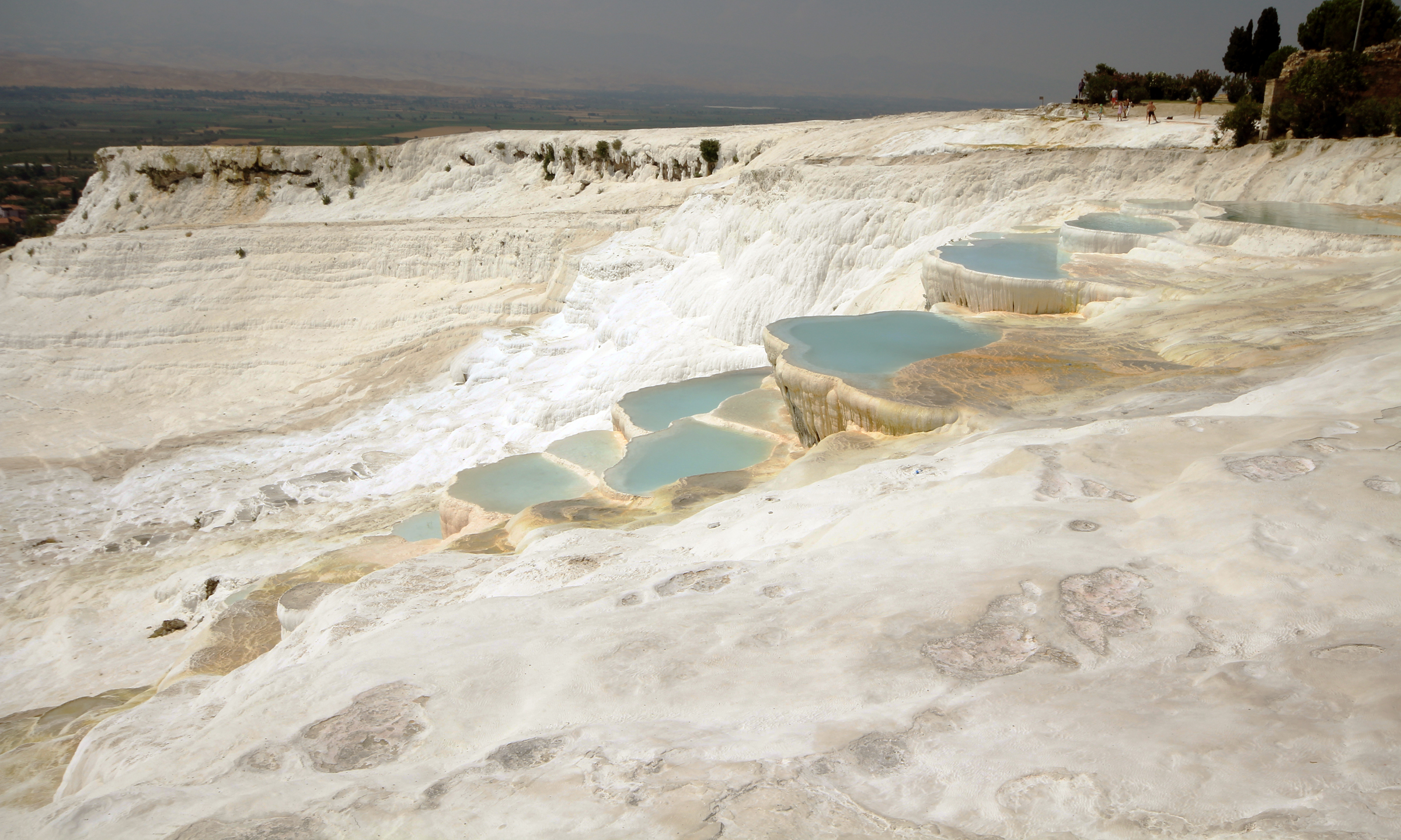

Immersed in the heart of Turkey, the Pamukkale Natural Park is a dreamlike place that combines natural beauty and history. This site, famous for its white thermal water terraces, is an extraordinary example of how nature can shape unique and fascinating landscapes. The mineral waters, rich in calcium, have attracted visitors for millennia, not only for their extraordinary appearance but also for their therapeutic properties.

When talking about Pamukkale, the image of spectacular limestone formations cascading comes to mind. These terraces, created by the deposition of calcite over the centuries, not only offer a breathtaking visual spectacle but also invite an unparalleled wellness experience. The sound of flowing water and the scent of fresh air contribute to creating an atmosphere of peace and serenity.
The Therapeutic Benefits of Thermal Waters
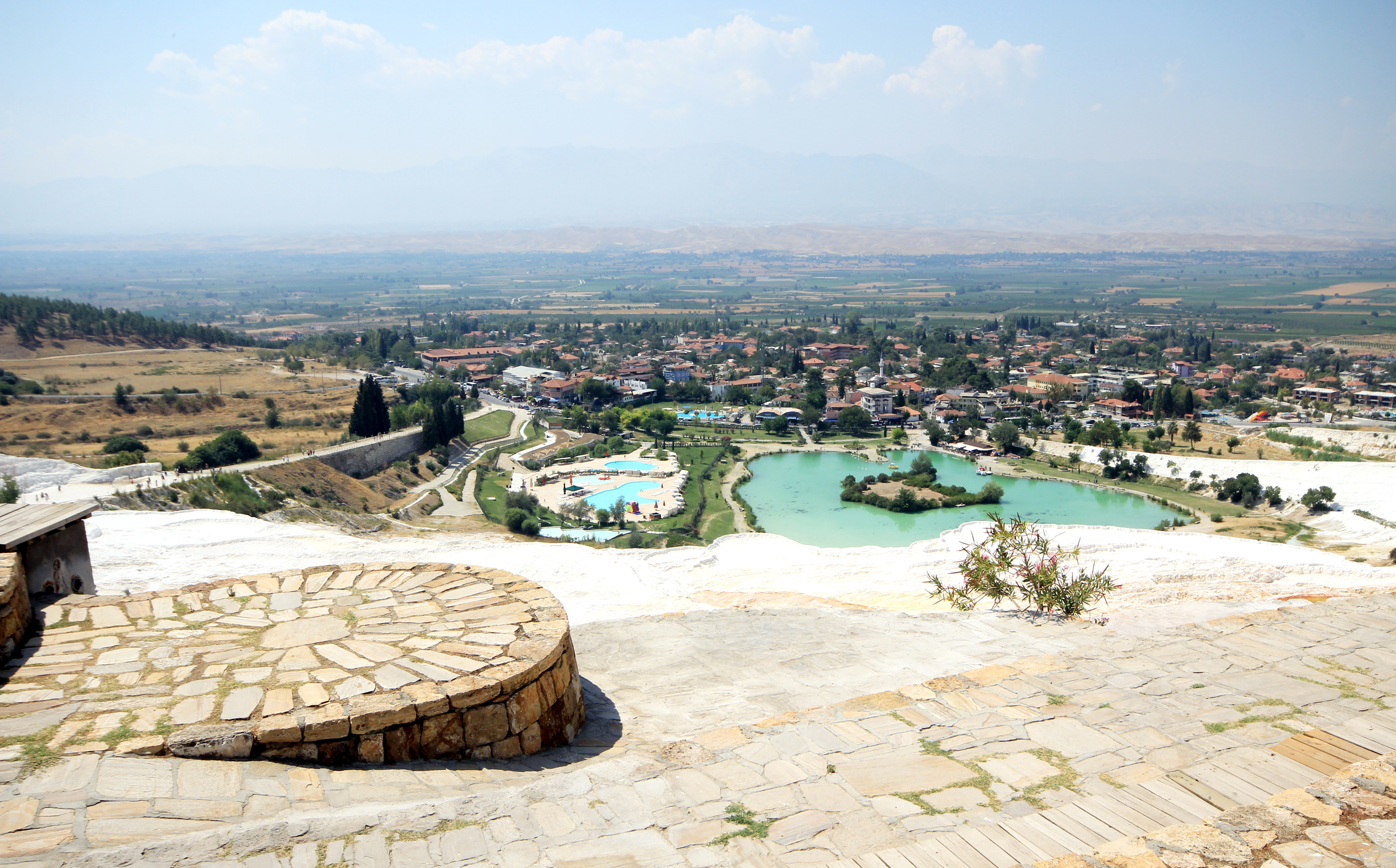
The thermal waters of Pamukkale are renowned for their healing properties. Rich in minerals and trace elements, they are considered a remedy for various ailments. Since ancient times, this place has been frequented for its therapeutic virtues, attracting not only tourists but also people seeking natural cures. People claim to feel invigorated and relaxed after a bath in its warm waters, which reach temperatures of up to 36 degrees Celsius.
Some visitors assert that these waters can alleviate muscle pain, strengthen the immune system, and improve circulation. Furthermore, the combination of heat and minerals is known to promote skin health, making this place not only a tourist attraction but also a true natural spa. The sensation of floating in these waters while the sun sets on the horizon is an experience that remains in the hearts of all who experience it.
A Journey Through Time: The History of Pamukkale
In addition to its physical benefits, Pamukkale is a place rich in history. The area has been inhabited since ancient times and, more precisely, it was an important spa center during the Roman era. The city of Hierapolis, located nearby, was founded in the 2nd century BC and thrived thanks to its healing waters. Today, the remains of this ancient settlement can still be visited, with the Roman theater and well-preserved ruins that tell stories of a glorious past.
Walking among the ruins, visitors can imagine the vibrant atmosphere of Hierapolis, where doctors and philosophers gathered to discuss the healing properties of the waters. The site has been declared a UNESCO World Heritage Site and continues to be an important landmark for scholars and tourists. The fusion of history and nature makes Pamukkale a unique place, where every step tells an ancient story and every terrace witnesses a bygone era.
A Sensory Experience
Visiting Pamukkale is not just a journey to a famous place, but a sensory experience that engages every aspect of our perception. The turquoise waters of the thermal pools contrast wonderfully with the white limestone of the terraces, creating a landscape of incredible beauty. The scents of flowers and aromatic herbs that grow in the surroundings, combined with the sound of flowing water, transport visitors on a journey of wellness and tranquility.
Don't forget to bring non-slip sandals, as the path can be slippery due to the water. Many visitors choose to walk barefoot to feel the warmth and freshness. Every step on the white terraces is an invitation to connect with nature, to leave behind daily worries, and to immerse oneself in an experience of pure beauty.
Conclusion: A Paradise to Discover
The Pamukkale Natural Park is much more than just a tourist destination; it is a place where nature and history intertwine harmoniously. Its thermal waters not only offer physical well-being but also enrich the soul, providing moments of reflection and serenity. Whether it's a relaxing bath or a walk among the historical ruins, Pamukkale leaves an indelible mark on the hearts of those who visit.
In a world where everything moves fast, Pamukkale represents a refuge of tranquility, an invitation to slow down and appreciate the beauty of the present moment. A visit to this extraordinary natural place is an experience that every traveler should have at least once in their lifetime.


