
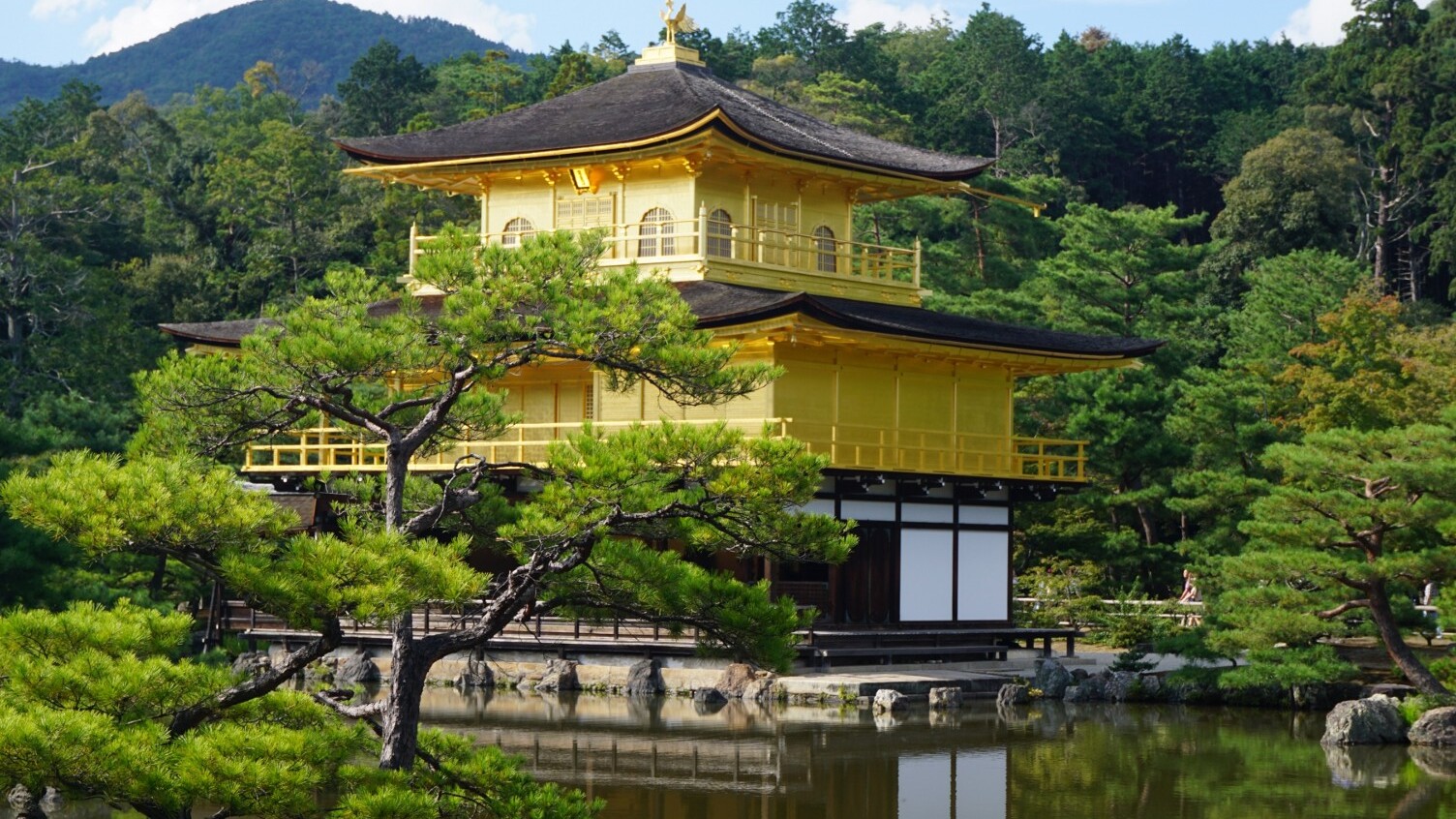

Nestled amidst the tranquil gardens of northern Kyoto, Kinkakuji mesmerizes visitors with its shimmering gold façade and serene surroundings. This Zen temple, also known as Rokuonji, invites contemplation and admiration, embodying the rich cultural tapestry of Japan.
History and Origins
Kinkakuji was originally built as a retirement villa for the influential shogun Ashikaga Yoshimitsu in the late 14th century. Completed in 1397, it served as a luxurious retreat, showcasing the opulence of the Muromachi period. Following Yoshimitsu's death in 1408, the estate was transformed into a Zen temple in accordance with his will, aligning it with the Rinzai sect of Zen Buddhism.
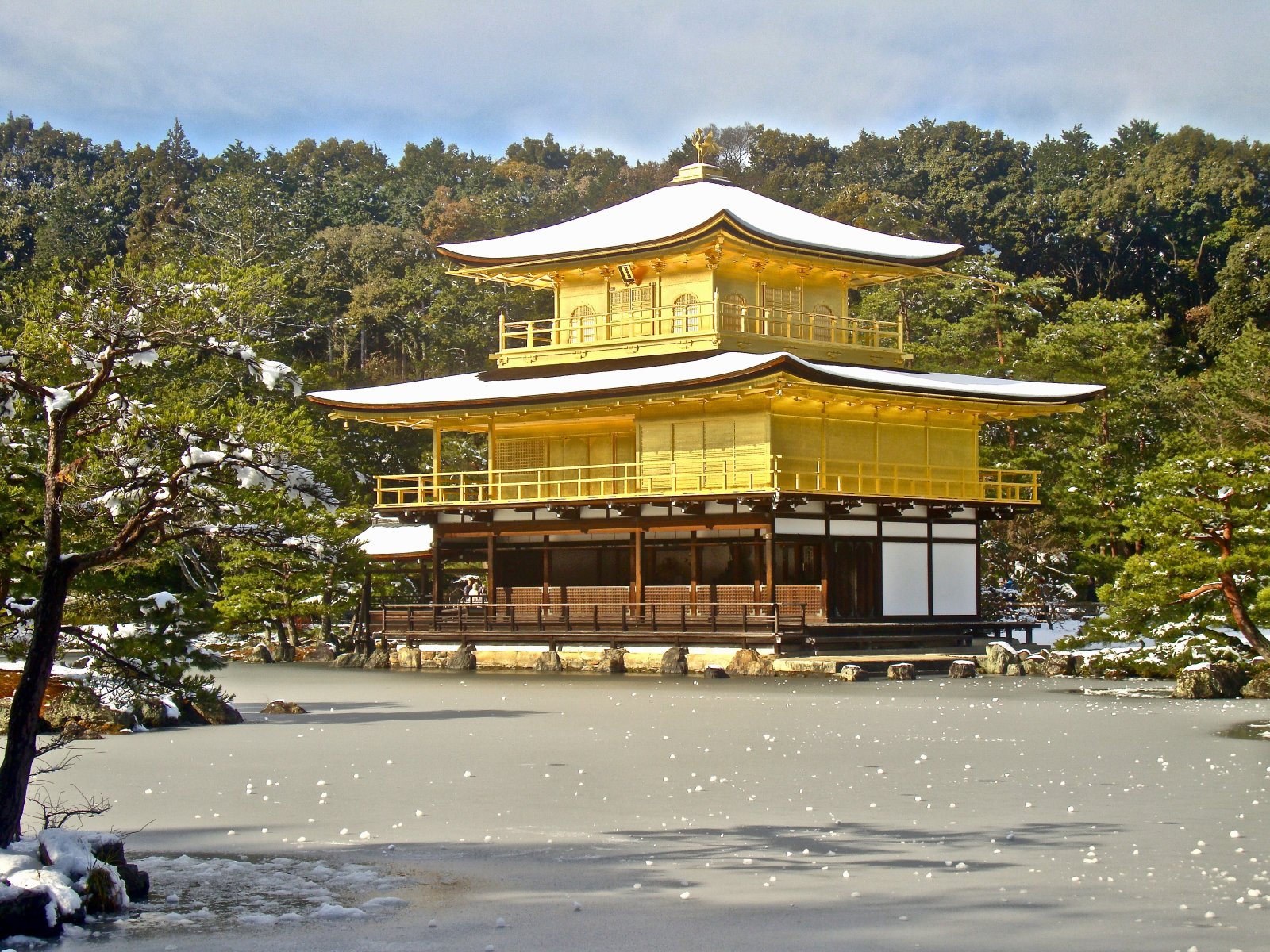
The temple’s history is marked by destruction and renewal. It suffered extensive damage during the Onin War (1467-1477), a civil war that ravaged much of Kyoto. Remarkably, Kinkakuji was rebuilt after the war, only to face tragedy again in 1950 when a disgruntled monk set it ablaze. The current structure, a faithful reconstruction completed in 1955, stands as a testament to resilience and spiritual dedication.
Art and Architecture
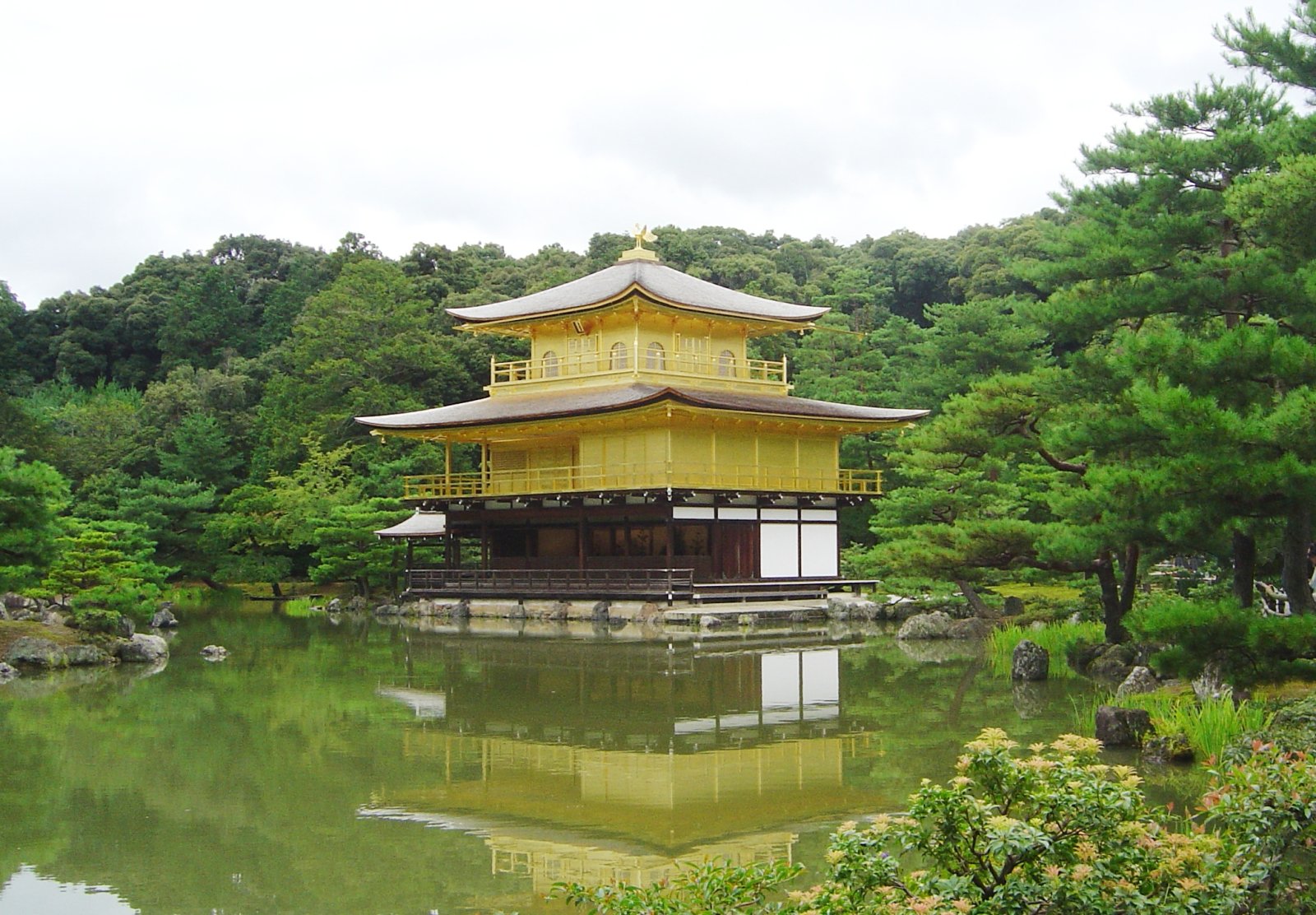
Kinkakuji is lauded for its stunning architecture, which masterfully blends traditional Japanese styles with the serene beauty of its natural surroundings. The temple is a three-story structure, with the top two floors adorned in gold leaf, reflecting the sunlight and creating a breathtaking sight against the backdrop of the pond and lush gardens.
The first floor is built in the shinden-zukuri style, characterized by its wooden beams and tatami mat floors, while the second floor showcases Buddhist motifs with elegant carvings and a distinctive Chinese architectural style. The top floor, known as the Kannon Hall, is crowned with a phoenix, symbolizing rebirth and purity.
Inside Kinkakuji, visitors can find intricate Japanese artwork and religious artifacts, including statues of Buddha and Bodhisattvas. The garden surrounding the temple, meticulously designed in the Karesansui style, offers a peaceful retreat and embodies the principles of Zen philosophy.
Local Culture and Traditions
Kinkakuji is not just a structure; it is a vital part of local culture and tradition. The temple attracts both pilgrims and tourists, embodying the spiritual essence of Kyoto. During the Hanami season, the cherry blossoms bloom around the pond, creating a picturesque scene that captivates visitors and locals alike.
Festivals such as Aoi Matsuri and Gion Matsuri celebrate the cultural heritage of Kyoto, although Kinkakuji does not host events directly. However, its proximity to these festivities allows visitors to immerse themselves in the vibrant atmosphere of Kyoto during these times.
Gastronomy
No visit to Kyoto would be complete without indulging in its renowned gastronomy. Just a short distance from Kinkakuji, you can savor local delicacies such as yudofu (tofu hot pot), a dish that aligns perfectly with the Zen philosophy of simplicity and harmony. The tofu served here is often made from local soybeans, creating a delicate flavor that reflects the purity of the environment.
Another must-try is Kyo-kaiseki, a multi-course meal that emphasizes seasonal ingredients and artistic presentation. This culinary tradition perfectly complements the aesthetics of Kinkakuji, where food becomes an art form, much like the temple itself.
Lesser-known Curiosities
While Kinkakuji is famous for its striking beauty, there are hidden stories that often go unnoticed. For instance, the temple’s gold leaf is not merely decorative; it symbolizes enlightenment and the impermanence of material wealth. The reflection of Kinkakuji in the pond creates an illusion of continuity, inviting contemplation of life’s transient nature.
Another intriguing aspect is the temple's connection to Zen gardens. The layout of Kinkakuji was designed to invite visitors to engage in meditation, with paths leading them on a reflective journey through the serene landscape. The careful arrangement of stones and water reflects the principles of balance and harmony inherent in Zen philosophy.
Practical Visitor Information
The best time to visit Kinkakuji is during the spring (March to May) and autumn (September to November) when the gardens are in full bloom and the foliage is vibrant. Arriving early in the morning allows visitors to experience the temple in relative tranquility before the crowds gather.
When visiting, take your time to wander the paths and appreciate the intricate details of the architecture and gardens. Make sure to check out the viewing platform for the best views of the temple reflected in the pond—this is a perfect photo opportunity that captures the essence of Kinkakuji.
For a more immersive experience, consider utilizing the Secret World app to craft a personalized itinerary that encompasses the rich history and culture of Kyoto-shi.


