
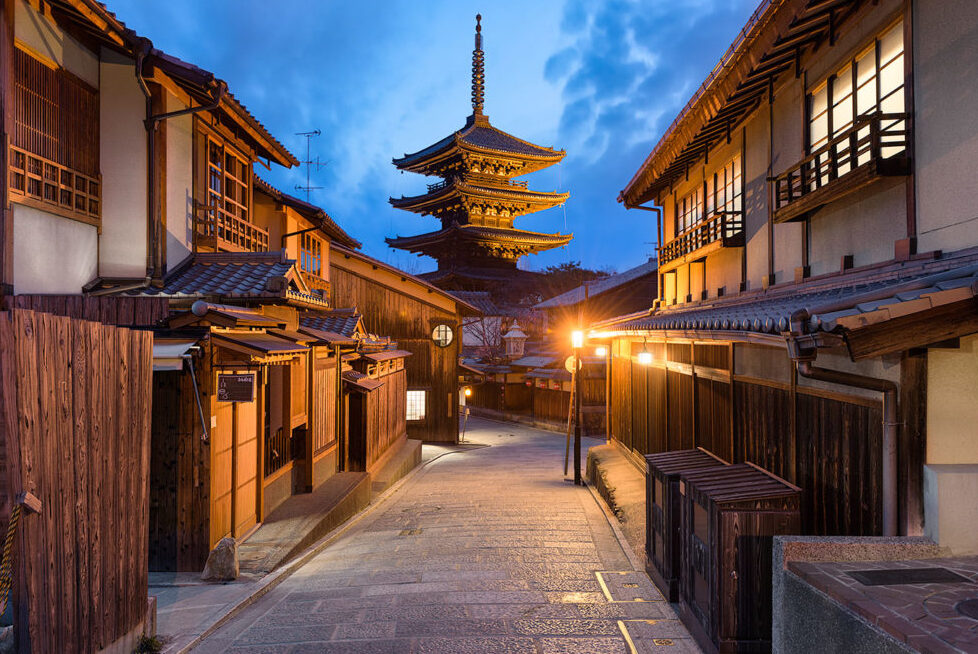

Kyoto, Japan, is a city where ancient history meets vibrant modernity, filled with stunning temples and rich traditions. Known as the capital of Japan from 794 to 1868, Kyoto is often regarded as the heart of Japanese culture. It is home to some of the country’s most renowned Buddhist temples, including the iconic Kinkaku-ji (Golden Pavilion) and the serene Ryoan-ji, famed for its rock garden. The city’s history is deeply intertwined with the development of Japanese art, philosophy, and spirituality.
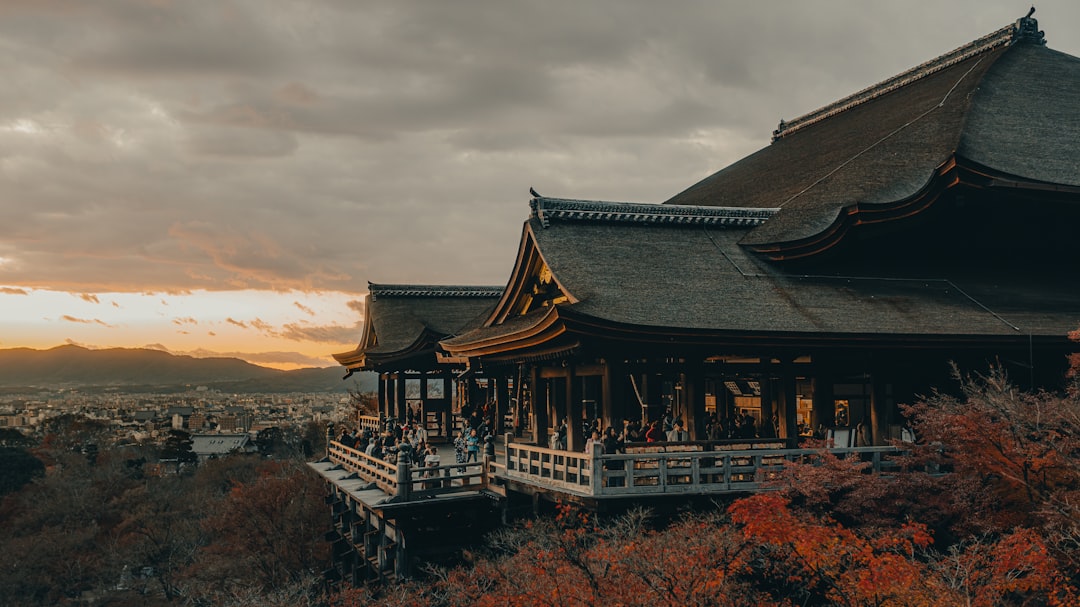
History and Origins Kyoto's story begins in 794 when Emperor Kammu established it as the capital of Japan, naming it Heian-kyo, meaning “Capital of Peace and Tranquility.” This marked the beginning of the Heian period, a time of profound cultural flourishing. The relocation of the capital was pivotal, as it allowed for a more centralized governance and the growth of Buddhism and Shinto practices. Key historical events, such as the Onin War (1467-1477), caused significant destruction, yet Kyoto resiliently rebuilt itself, preserving its cultural heritage.
Art and Architecture The architectural style of Kyoto reflects the grandeur of its history. Famous structures include the Kinkaku-ji, with its gold leaf-covered exterior, and Ginkaku-ji, which, despite its name meaning Silver Pavilion, was never adorned in silver. The zen gardens, with their meticulously arranged stones and gravel, epitomize simplicity and tranquility, inviting contemplation and introspection. Artistic significance is further highlighted in the Nijo Castle, a UNESCO World Heritage Site, showcasing the intricate craftsmanship of the Edo period.
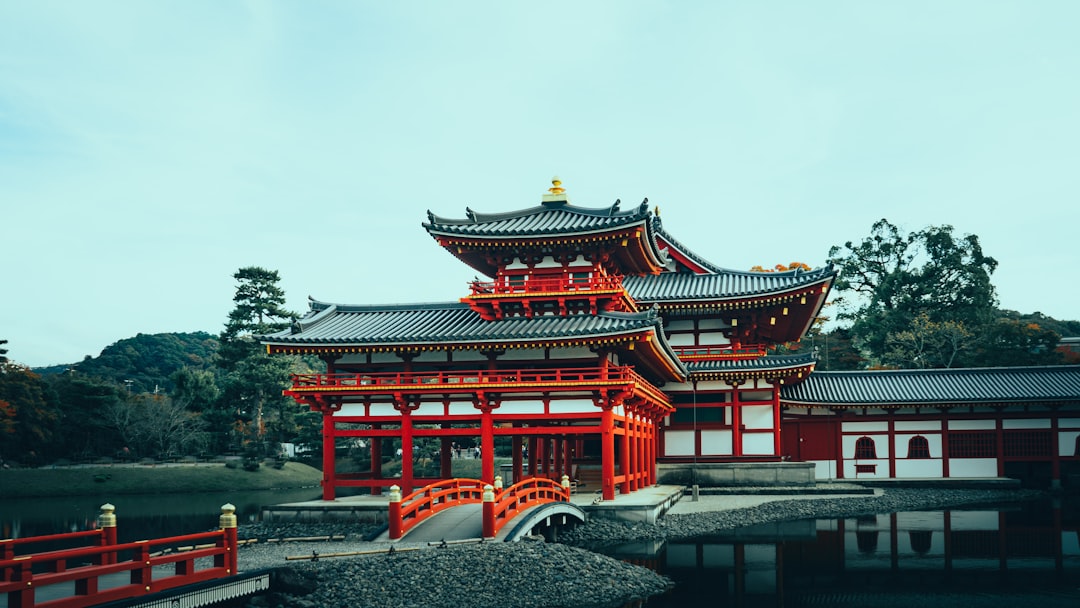
Local Culture and Traditions Kyoto is a living museum of traditions. The city hosts numerous festivals, such as the Gion Matsuri, celebrated in July, where stunning floats parade through the streets, and traditional clothing, like the kimono, is donned by many participants. The presence of geisha in the Gion district adds to the allure, as they epitomize grace and cultural richness. Kyoto’s customs are steeped in rituals, including tea ceremonies that emphasize harmony, respect, purity, and tranquility, reflecting the essence of Japanese aesthetics.
Gastronomy Culinary experiences in Kyoto are as rich as its history. The city is renowned for kaiseki, a multi-course meal that is as much about presentation as it is about flavor. Seasonal ingredients are meticulously prepared to highlight their natural qualities. Yudofu, or boiled tofu, and yudofu nabe are local staples, often enjoyed in serene settings. To complement the culinary journey, Kyoto is famous for its matcha (green tea), which is served in traditional tea houses, allowing visitors to experience the profound cultural significance of tea in Japanese society.
Lesser-known Curiosities While many flock to the famous sites, certain hidden gems remain off the beaten path. For instance, the Philosopher's Path, a tranquil walkway lined with cherry blossom trees, offers a serene escape, especially in spring. Another curiosity is the jizo statues, often found in small shrines, representing guardians of children and travelers. Many locals hang paper garlands on trees, believing that they bring protection and good fortune. These small details provide a deeper insight into the spiritual fabric of Kyoto, often overlooked by tourists.
Practical Visitor Information The best time to visit Kyoto is during spring (March to May) when cherry blossoms bloom, and in autumn (September to November) when the foliage turns vibrant shades of red and orange. When planning your visit, consider purchasing a Kyoto City Bus Pass for convenient travel around the city. Don’t miss the chance to explore the lesser-known temples and gardens that offer a quieter experience away from the tourist crowds. Always be respectful of local customs, particularly when visiting sacred sites.
In this captivating city, the past is never truly lost, and the blend of ancient traditions with contemporary life creates a unique tapestry of experiences. To make the most of your time in Kyoto, consider using the Secret World app to plan a personalized AI itinerary that captures the essence of this enchanting destination.


