
← Back

Lotus Temple

Lotus Temple Rd, Bahapur, Shambhu Dayal Bagh, Kalkaji, New Delhi, Delhi 110019, India ★★★★☆ 380 views
Sara hook
New Delhi
🏆 AI Trip Planner 2026

Get the free app

Discover the best of New Delhi with Secret World — the AI trip planner with 1M+ destinations. Get personalized itineraries, hidden gems and local tips. Free on iOS & Android.

🧠 AI Itineraries 🎒 Trip Toolkit 🎮 KnowWhere Game 🎧 Audio Guides 📹 Videos
Scan to download iOS / Android
Scan for AppGallery Huawei users

About Lotus Temple

Lotus Temple - New Delhi | Secret World Trip Planner

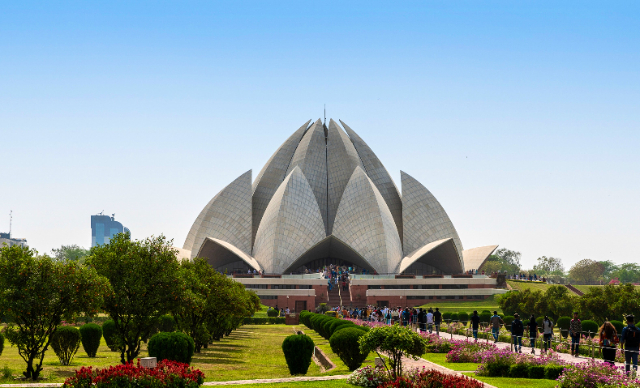
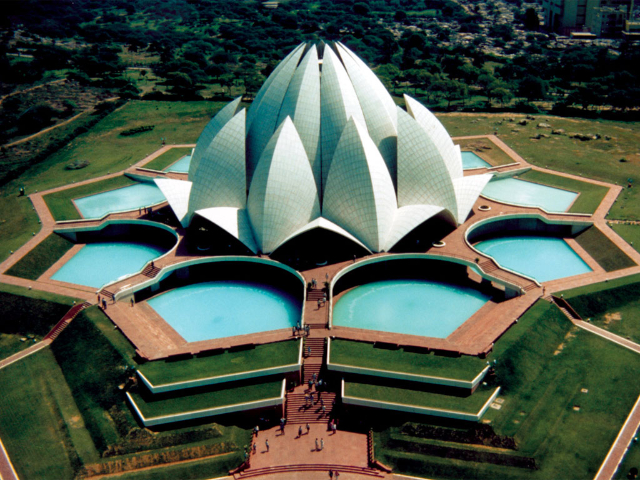
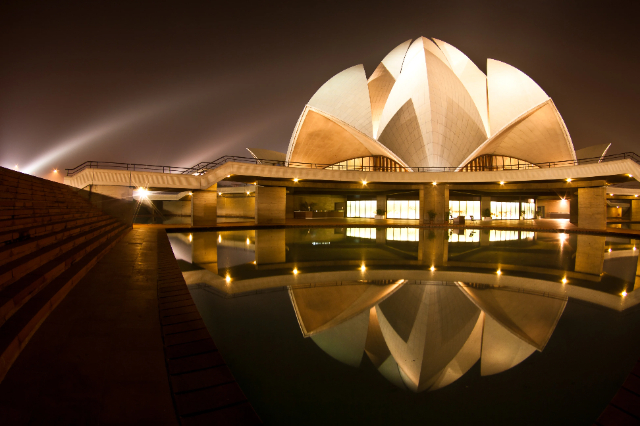
The Lotus Temple is one of the most beautiful and striking places of worship in Delhi, located in the Kalkaji district. Built in 1986, it is one of the most famous Bahá'í temples in the world and features unique and striking architecture.The temple is shaped like a white lotus flower, with 27 petals opening to form nine doors. The lotus flower shape is a symbol of peace, purity and enlightenment, central elements of the Bahá'í faith. The building was designed by Canadian architect Fariborz Sahba, who took five years to create the temple.The interior of the Lotus Temple is a large central hall, illuminated by natural light that filters through windows at the top of the dome. The hall can accommodate up to 2,500 people, who can sit and pray in silence. The walls of the hall are decorated with exquisite inlays of marble and semi-precious stones, creating a striking and enchanting setting.The Lotus Temple is open to people of all religions, and is a place of peace and meditation. Guests are asked to enter in silence, to respect the local culture and traditions, and not to take photos inside the hall. Visitors can enjoy the peace and tranquility of the temple, walk in the beautiful surrounding gardens, and participate in activities and celebrations organized by the Bahá'í community.The Lotus Temple is one of the most beautiful and atmospheric places in Delhi, and is a popular tourist attraction for visitors to the city. Its architectural beauty, peaceful atmosphere, and spiritual importance make it a must-see for anyone visiting Delhi.
Lotus Temple - New Delhi | Secret World Trip Planner
🗺 AI Trip Planner

Plan your visit to New Delhi

Suggested itinerary near Lotus Temple

MAJ+
500.000+ travelers worldwide
  1. 🌅
    Morning
    Lotus Temple
    📍 New Delhi
  2. ☀️
    Afternoon
    Hazrat Nizamuddin Baoli
    📍 4.6 km · New Delhi
  3. 🌆
    Evening
    Sunder Nursery - Delhi's Heritage Park
    📍 4.7 km · New Delhi

Buy Unique Travel Experiences

Powered by Viator

See more on Viator.com

Explore nearby · New Delhi

Frequently Asked Questions

The Lotus Temple is designed with 27 petals forming nine doors in the shape of a white lotus flower, which is a symbol of peace, purity, and enlightenment—all central elements of the Bahá'í faith. The unique lotus shape makes it one of the most architecturally distinctive temples in the world.
The Lotus Temple was designed by renowned Canadian architect Fariborz Sahba, who spent five years creating this masterpiece. The temple was completed and opened in 1986, making it one of the most famous Bahá'í temples globally.
The interior features a large central hall that can accommodate up to 2,500 people for silent prayer and meditation, illuminated by natural light filtering through windows at the top of the dome. The walls are beautifully decorated with exquisite inlays of marble and semi-precious stones, creating a striking and enchanting atmosphere.
Yes, visitors are asked to enter in silence to respect local culture and traditions, and photography is not allowed inside the main hall. The temple welcomes people of all religions and serves as a peaceful sanctuary for meditation and spiritual reflection.
Besides participating in silent prayer and meditation in the main hall, visitors can explore the beautiful surrounding gardens and participate in activities and celebrations organized by the Bahá'í community. The peaceful atmosphere and architectural beauty make it an ideal place for contemplation and cultural appreciation.
