
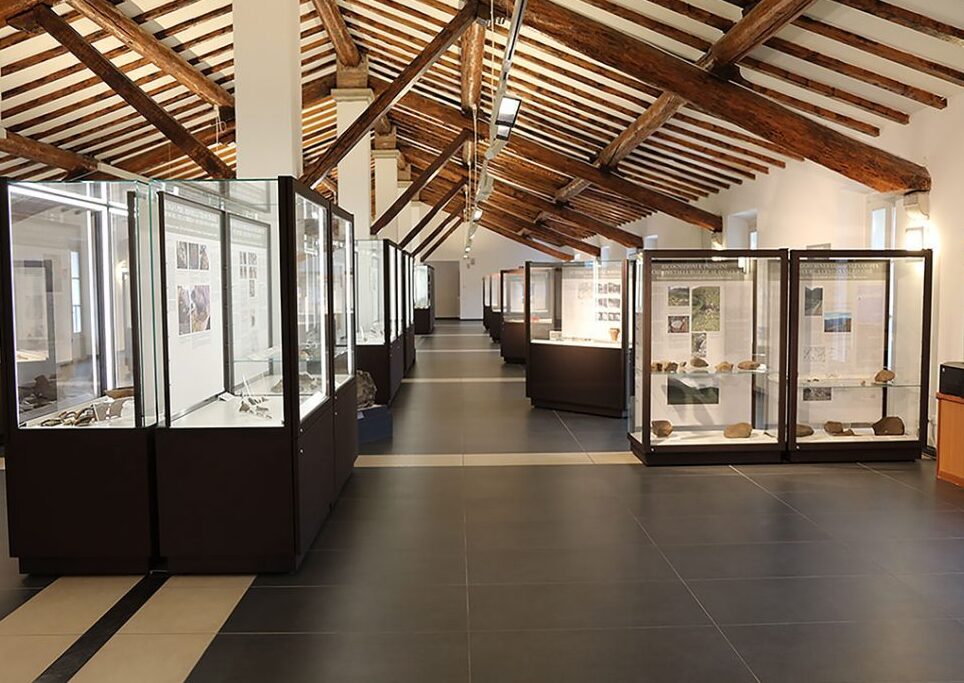

Nestled in the breathtaking landscape of the Camonica Valley, the National Museum of Prehistory (MUPRE) in Capo di Ponte serves as a gateway to understanding the ancient peoples who once inhabited this region. Renowned globally for its extensive rock engravings, which date back to the Paleolithic, the valley was inscribed in the UNESCO World Heritage List in 1979, marking it as a site of exceptional cultural significance.
The history of the Camonica Valley is a tapestry woven with the lives of the Camunni, the prehistoric inhabitants who flourished from the Iron Age onward. The region has been a hub of human activity for thousands of years, with archaeological evidence suggesting that it was populated as early as 10,000 BC. Over the last three decades, extensive preventive archaeology has uncovered numerous settlements, workshops, sacred sites, and burial grounds, enriching our understanding of these ancient communities.
MUPRE, housed in the elegant Villa Agostani, an 18th-century building, reflects the architectural charm of the region. The villa’s neoclassical style, with its grand façade and inviting gardens, provides a fitting backdrop for the museum's extensive collections. Inside, visitors are greeted with a carefully curated display of artifacts, including tools, pottery, and personal items that illuminate the daily lives of the Camunni. The museum artfully integrates the iconic rock engravings with these finds, allowing for a richer interpretation of their cultural identity.
Artistic expression in the Camonica Valley goes beyond mere utility; it is a profound reflection of the spiritual and social lives of its ancient peoples. The rock carvings—over 300,000 images spanning various epochs—depict everything from hunting scenes and warriors to ritualistic symbols and daily activities. These engravings, created using simple tools to etch designs into the stone, are not merely decoration but a form of communication and storytelling that transcends time.
The cultural fabric of Capo di Ponte is interwoven with local customs and traditions that echo the valley's ancient roots. Festivals such as the Festa della Preistoria, held annually in August, celebrate the region's prehistoric heritage with reenactments, exhibitions, and workshops that engage both locals and visitors. This lively event allows participants to immerse themselves in ancient crafts, music, and cuisine, fostering a deep appreciation for the valley's rich history.
Speaking of cuisine, the gastronomy of the Camonica Valley is as diverse as its history. The region is known for its hearty dishes, which are a testament to the agricultural practices of its inhabitants. Polenta, a staple made from cornmeal, is often served alongside game meats and local cheeses, while casoncelli—stuffed pasta—reflects the culinary influences that have shaped the area over centuries. Visitors should also indulge in a glass of Valcamonica wine, a local red that pairs beautifully with traditional dishes, offering a taste of the valley's terroir.
For those interested in lesser-known curiosities, MUPRE has its share of surprises. One fascinating aspect is the museum's focus on preventive archaeology. This practice involves excavating sites before development occurs, allowing archaeologists to uncover and preserve history that might otherwise be lost. Furthermore, the museum features an interactive section where visitors can try their hand at prehistoric engraving, connecting them physically and emotionally to the ancient artisans.
The best time to visit Capo di Ponte is during the spring and early autumn months when the weather is mild and the surrounding landscapes are in full bloom. While MUPRE is a primary attraction, the valley itself offers a plethora of hiking trails that lead to stunning vistas and additional rock art sites. Be sure to take the time to explore the Parco Nazionale delle Incisioni Rupestri, where many of these engravings can be viewed in their natural settings.
For a fulfilling visit, plan to spend a full day at the museum, allowing time for exploration of the exhibits and the surrounding area. Engage with the museum staff, who are often eager to share insights and stories that enrich the experience. Don’t forget your camera; the juxtaposition of ancient art against the backdrop of the majestic Alps is truly breathtaking.
As you prepare for your journey to the Camonica Valley, consider using the Secret World app to craft a personalized itinerary tailored to your interests, ensuring that your visit to Capo di Ponte is as enriching as it is memorable.


