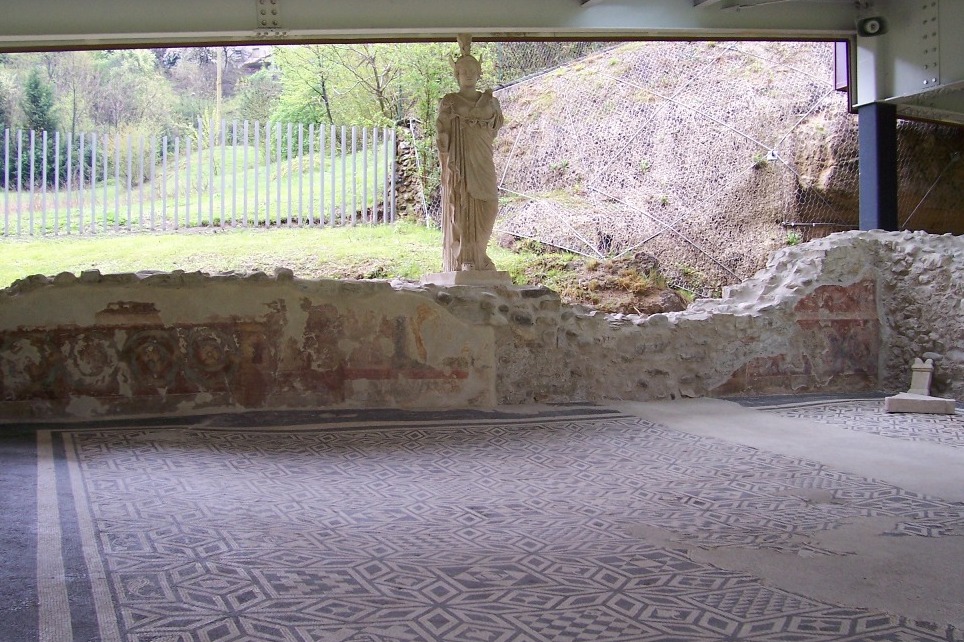

Nestled in the heart of the Camonica Valley, the Sanctuary of Minerva in Breno is not just an archaeological site; it’s a portal to the past, where the echoes of Roman worship resonate amid lush landscapes. This remarkable site, discovered in 1986 and opened to the public in 2007, speaks to centuries of spiritual significance and artistic achievement. Standing on a rocky spur overlooking the Oglio River, the sanctuary offers a unique blend of natural beauty and monumental architecture that invites visitors to step back in time.
### History and Origins The Sanctuary of Minerva is believed to have been dedicated to the Roman goddess of wisdom and war, Minerva, a deity revered for her strategic prowess and intelligence. The site's origins date back to the 1st century AD, marking it as a significant religious hub during the Roman Empire. It served not only as a temple but also as a site for various rituals, honoring Minerva's guidance in warfare and governance.
Archaeological excavations reveal that the sanctuary was built atop an earlier sacred site, possibly linked to ancient Celtic worship practices, showcasing the region's rich cultural tapestry. The sanctuary became a focal point for the local populace, who journeyed from afar to partake in its sacred rites, particularly during the Roman imperial period when it flourished as a place of pilgrimage.
### Art and Architecture The architectural style of the Sanctuary of Minerva is a stunning example of Roman craftsmanship, characterized by robust stone structures and intricate design. The remnants of the temple reveal a peripteral layout, featuring a series of columns that once supported a grand portico. Visitors today can admire the well-preserved foundations and the remnants of decorative elements that adorned the temple.
One of the most notable aspects of the sanctuary is its water source, which flows from the hill above, considered sacred by the ancients. This natural spring not only added to the sanctity of the site but was also an essential feature of Roman religious practices, symbolizing purification and healing. The combination of natural and architectural beauty creates a captivating atmosphere that transports visitors back to a time when the divine was deeply intertwined with everyday life.
### Local Culture and Traditions The Sanctuary of Minerva is more than just an archaeological site; it is a cornerstone of local culture in Breno. The community celebrates various festivals that pay homage to their rich heritage, with the most notable being the Festa della Minerva, usually held in late summer. This festival features traditional music, dance, and reenactments that depict the rituals once performed at the sanctuary, breathing life into the ancient practices and fostering a sense of unity among the locals.
Additionally, the sanctuary serves as a venue for cultural events, including art exhibitions and workshops, where artisans share their crafts, connecting modern creativity with ancient traditions. This melding of past and present enriches the community’s identity and provides visitors with a deeper understanding of Breno’s cultural significance.
### Gastronomy A visit to Breno is incomplete without indulging in the local gastronomy. The Camonica Valley is known for its hearty mountain cuisine, characterized by dishes that showcase locally sourced ingredients. Polenta, a staple food, is prepared in various forms and often accompanied by rich ragùs made from game meat or local sausages like salsiccia di cervo (venison sausage).
Moreover, formaggio di malga, a traditional cheese made from milk sourced from mountain pastures, is a must-try. Pair it with a glass of Valtellina wine, and you have a meal that embodies the flavors of the region. Many local restaurants celebrate the history of the sanctuary through their culinary offerings, making dining in Breno a cultural experience in itself.
### Lesser-Known Curiosities While the Sanctuary of Minerva is well-documented, several lesser-known facts add to its intrigue. For instance, the site was largely forgotten until its rediscovery in the 1980s, when local archaeologists stumbled upon its remains during routine excavations. Interestingly, the Oglio River, which flows peacefully below the sanctuary, was once a vital trade route during Roman times, linking various settlements in the region.
Additionally, inscriptions found at the site hint at the possibility of dedications made to other deities, suggesting that the sanctuary may have served a more diverse spiritual purpose than previously thought. Such discoveries continue to inspire ongoing research, making the sanctuary a dynamic subject for historians and archaeologists alike.
### Practical Visitor Information For those eager to explore the Sanctuary of Minerva, the best time to visit is during the spring and early fall when the weather is mild, and the surrounding landscapes are in full bloom. Guided tours are available, offering insights into the historical context and architectural significance of the site. Visitors should look for the remnants of the sacred spring and the well-preserved temple foundations, which tell the story of ancient worship practices.
Be sure to wear comfortable shoes as the terrain can be uneven, and don’t forget your camera to capture the stunning views of the Camonica Valley. The sanctuary's serene atmosphere is perfect for reflection, making it a rewarding stop for anyone interested in history, culture, or simply seeking a moment of tranquility.
In conclusion, the Sanctuary of Minerva in Breno offers a unique glimpse into the religious practices of ancient Rome, seamlessly blending natural beauty with monumental architecture. It stands as a testament to the enduring spirit of a community deeply connected to its past.
To make the most of your visit, consider using the Secret World app to create a personalized itinerary for your time in Breno.
