
In the heart of Lombardy, nestled among the towering peaks of the Central Alps, lies the enchanting Val Camonica. Renowned for its remarkable rock engravings, this valley offers a portal into the lives of ancient peoples who inhabited the region over 10,000 years ago. The Camonica Valley is not just a stunning landscape; it is a living museum of human history, earning its designation as a UNESCO World Heritage Site in 1979 for its extraordinary collection of over 300,000 petroglyphs.
### History and Origins
The origins of Val Camonica can be traced back to the end of the last Ice Age, when the retreating glaciers created fertile lands suitable for settlement. The Camuni people, the valley's prehistoric inhabitants, left behind an indelible mark on this landscape through their intricate rock art, which depicts scenes of daily life, rituals, and the natural world. These engravings, found at over 180 sites across 24 municipalities, provide invaluable insights into the thoughts, beliefs, and experiences of these early communities.
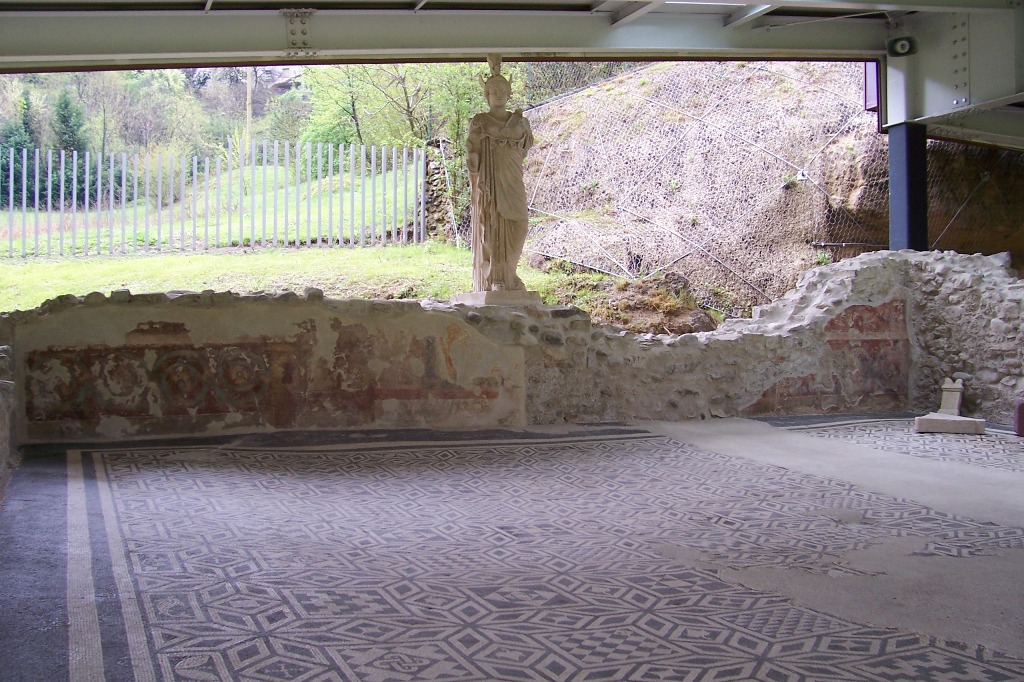
Throughout history, the valley has witnessed significant events, including Roman conquests and the spread of Christianity, which influenced local customs and societal structures. The Longobards and later the Franks left their marks as well, shaping the cultural tapestry of the region. The valley's strategic position made it a vital route for trade and movement, connecting different cultures and traditions.
### Art and Architecture
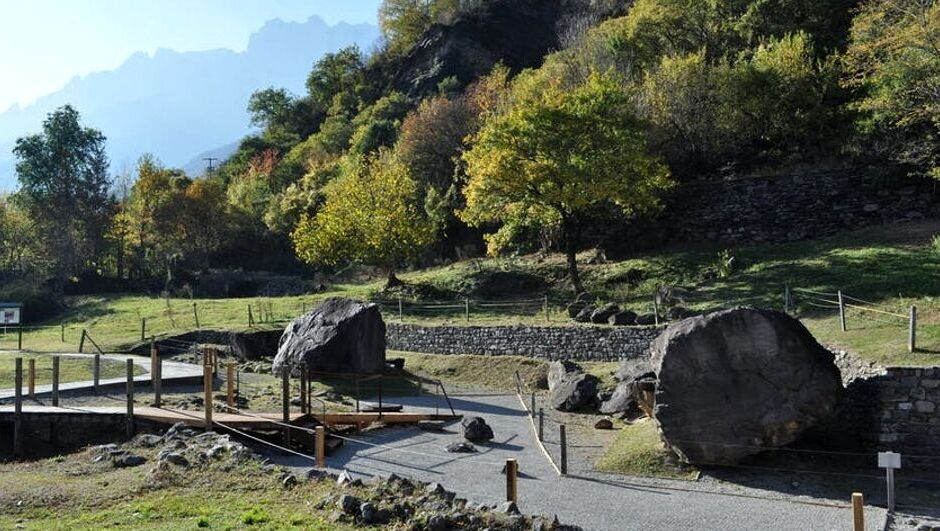
Val Camonica is primarily celebrated for its rock art, which is considered one of the largest and most important collections of petroglyphs in Europe. The engravings are not just artistic expressions; they serve as historical documents, illustrating the evolution of human thought and society. Key sites include the Naquane Park in Capo di Ponte, where visitors can see over 100,000 engravings, some depicting animals, human figures, and symbols of navigation and war.
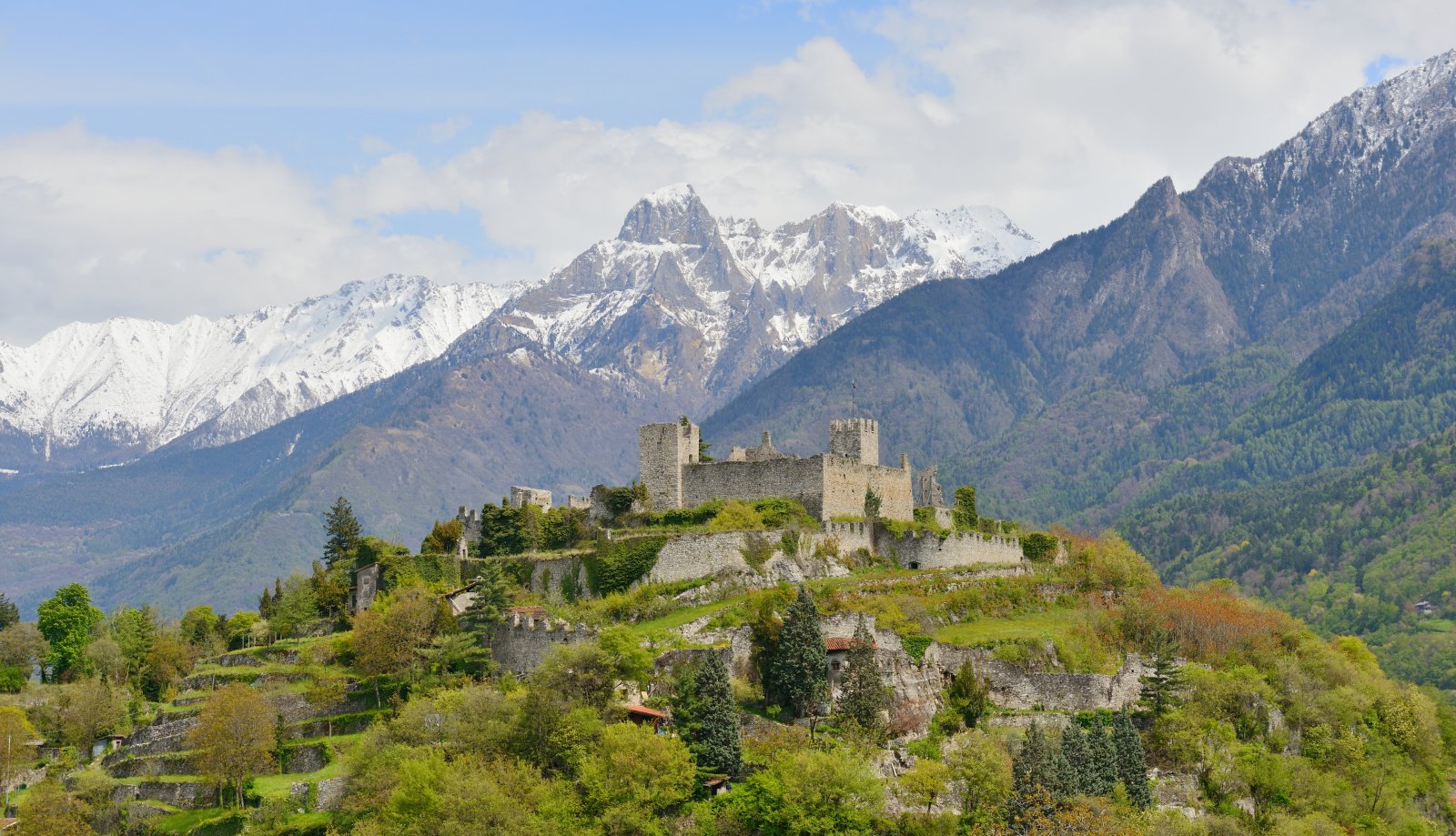
In addition to rock art, the valley features charming Alpine architecture. Traditional stone houses, often adorned with wooden balconies and vibrant flower boxes, dot the landscape. The Church of Santa Maria Assunta in Cividate Camuno showcases Romanesque architecture, while the Castles of Breno reflect the region's medieval heritage.
### Local Culture and Traditions
The culture of Val Camonica is a rich tapestry woven from its prehistoric roots and the influences of various civilizations. Local customs include traditional crafts such as wood carving and textile production, which have been passed down through generations. The valley hosts several festivals that celebrate its cultural heritage, such as the Festa di San Giovanni in June, where locals engage in music, dance, and culinary delights, bringing the community together.
One of the most fascinating aspects of local culture is the ongoing reverence for the valley's rock art. Guided tours led by knowledgeable locals provide insights into the symbolism and significance of the engravings, ensuring that the stories of the ancestors are not forgotten.
### Gastronomy
The culinary offerings of Val Camonica are a reflection of its agricultural richness and Alpine traditions. Local specialties include polenta, a staple made from cornmeal, often served with rich sauces or cheeses. The valley is also known for its formaggio di malga, a cheese produced from the milk of cows grazing on the high mountain pastures during the summer months.
Another local delicacy is strinù, a type of savory pie filled with seasonal vegetables or meats. Pair these dishes with Val Camonica wines, particularly Rosso di Valtellina, to experience the full flavor of the region.
### Lesser-Known Curiosities
While many tourists flock to the more well-known sites, there are hidden gems in Val Camonica waiting to be discovered. The Rock Engravings Park of Sellero is less frequented but offers a serene atmosphere and stunning carvings. Another unique experience is witnessing the local ‘Fiera di San Marco’, held every April in Breno, which features a vibrant market filled with handmade crafts, local produce, and traditional music.
Additionally, few know that the valley is home to a rare species of butterfly, the Apollo butterfly, which thrives in the region's pristine environment, making it a haven for nature enthusiasts.
### Practical Visitor Information
The best time to visit Val Camonica is during the warmer months, from late spring to early autumn, when the weather is pleasant and the valley's natural beauty is in full bloom. For an immersive experience, consider participating in guided tours that explore both the archaeological sites and the stunning landscapes.
When planning your visit, be sure to check out the Centro Visitatori in Capo di Ponte for resources and information on the various rock art sites. Bring comfortable walking shoes, as many of the petroglyphs are located in hilly terrain.
To fully appreciate the depth of history and culture in Val Camonica, download the Secret World app to create a personalized AI itinerary that will guide you through this extraordinary valley.