
← Back

Navona Square

Piazza Navona, Roma, RM, Italia ★★★★☆ 209 views
Michelle Harding
Roma
🏆 AI Trip Planner 2026

Get the free app

Discover the best of Roma with Secret World — the AI trip planner with 1M+ destinations. Get personalized itineraries, hidden gems and local tips. Free on iOS & Android.

🧠 AI Itineraries 🎒 Trip Toolkit 🎮 KnowWhere Game 🎧 Audio Guides 📹 Videos
Download on the App Store Get it on Google Play
Scan to download Scan to download
Navona Square - Roma | Secret World Trip Planner

Nestled in the heart of Rome, Piazza Navona stands as a vibrant testament to the city’s rich tapestry of history and culture. With its origins dating back to the ancient Roman era, this square has transformed remarkably over the centuries, evolving from a venue for athletic competitions into one of the most celebrated public spaces in the world.

Navona Square - Roma | Secret World Trip Planner

### History and Origins Piazza Navona was built atop the ruins of the Stadium of Domitian, commissioned by Emperor Domitian in 86 AD. This stadium could accommodate around 30,000 spectators, hosting various athletic contests and games. Following the fall of the Roman Empire, the stadium fell into disuse, but its legacy persisted. In the seventeenth century, under the papacy of Pope Innocent X, the square underwent a significant transformation. The Pope envisioned a vibrant public space, and thus, Piazza Navona emerged as a baroque masterpiece, showcasing the grandeur of Roman architecture.

One of the pivotal moments in the square's history occurred in 1651 with the unveiling of Bernini's Fountain of the Four Rivers. This fountain not only represents the four major rivers of the four continents known at the time—the Nile, the Ganges, the Danube, and the Río de la Plata—but also serves as a symbol of the Church's power and influence.

Navona Square - Roma | Secret World Trip Planner

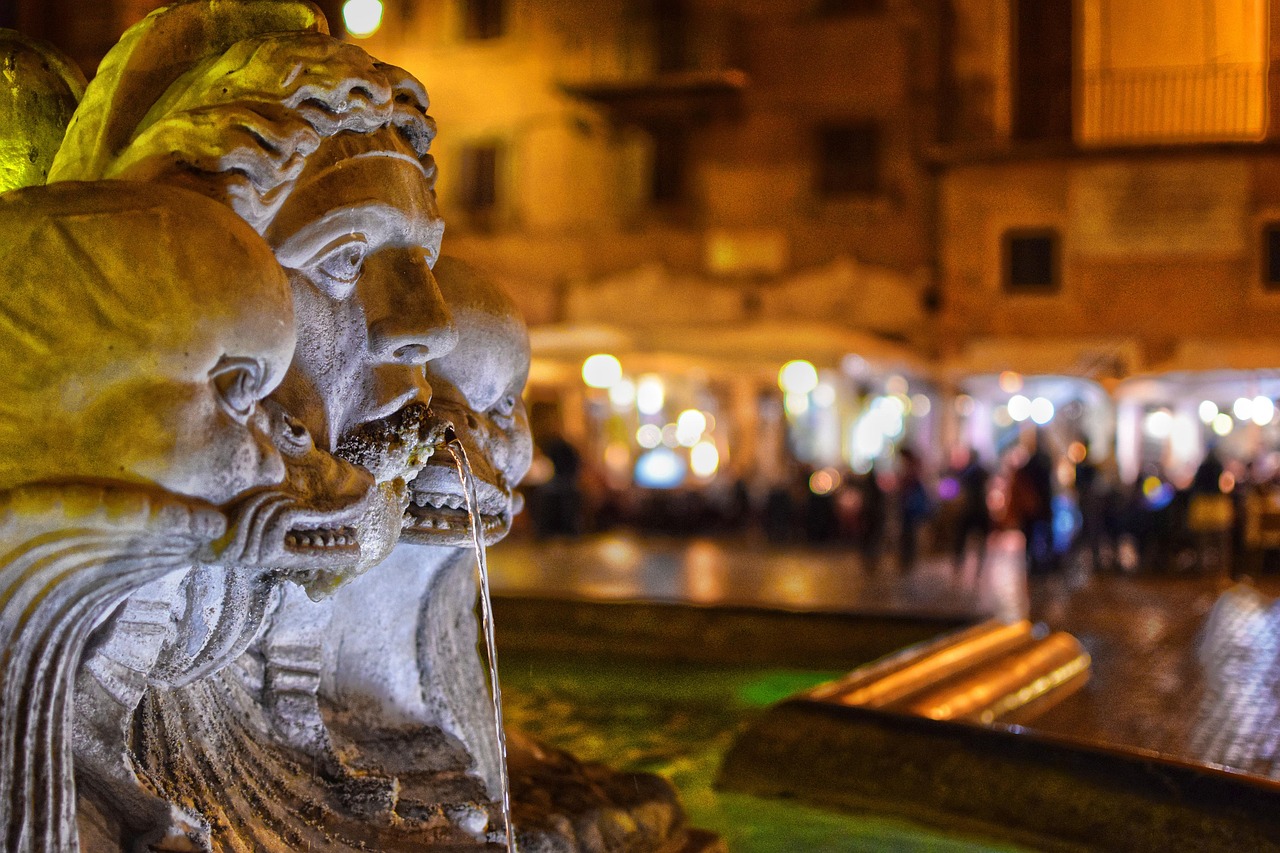
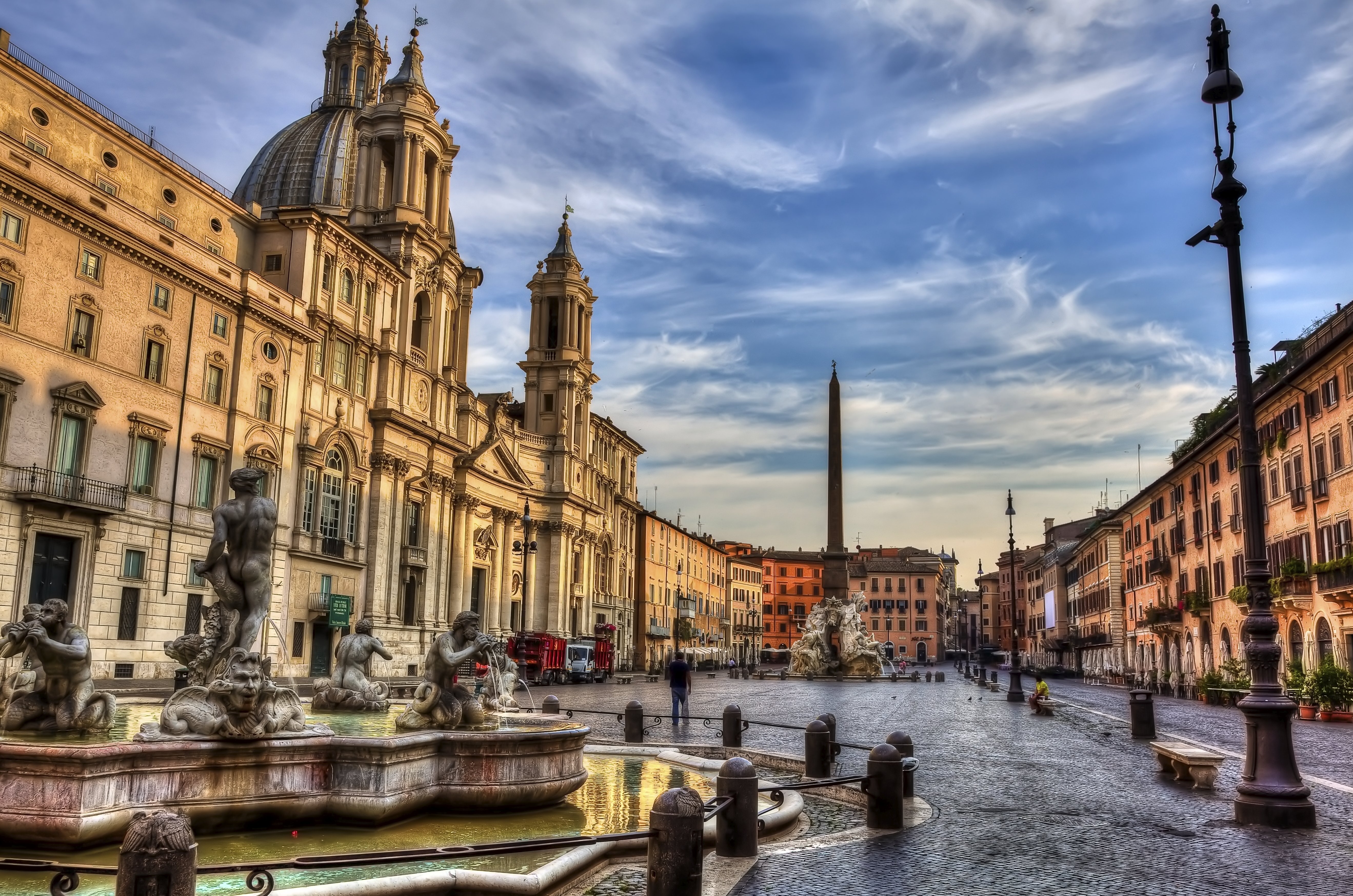
### Art and Architecture The architectural beauty of Piazza Navona is nothing short of breathtaking. The square is flanked by three magnificent fountains, the most famous being the Fountain of the Four Rivers, a stunning creation by Gian Lorenzo Bernini. This fountain features allegorical representations of the rivers, with the central obelisk drawing the eye upward. On the opposite side, the Church of Sant'Agnese in Agone, designed by Francesco Borromini, stands as a testament to the fierce rivalry between Borromini and Bernini. The church, completed in the early 17th century, exhibits a blend of Baroque intricacies and is notable for its stunning dome and elaborate façade.

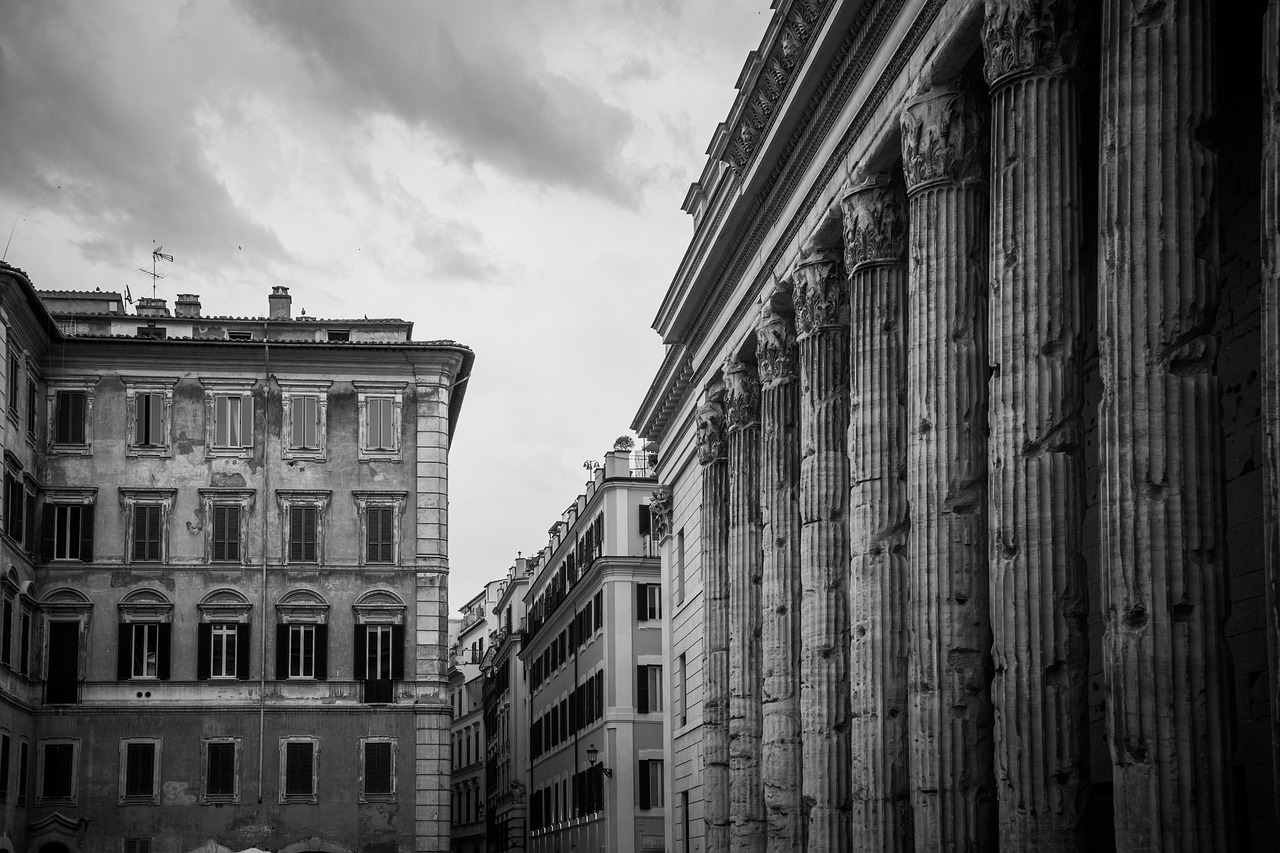
The square itself is an example of Baroque urban planning, with its elongated shape echoing the ancient stadium. The surrounding buildings, characterized by their elegant façades, echo the artistic styles prevalent during the papal reign, making the square a living museum of architectural styles.

### Local Culture and Traditions Today, Piazza Navona is a hub of local culture and traditions. Throughout the year, the square hosts various events, from art exhibitions to live performances, embodying the lively spirit of Roman life. One of the most significant cultural events is the Festa di San Giovanni, celebrated in June, which honors the patron saint of Rome. During this festival, the square is adorned with flowers, and various festivities take place, allowing visitors to immerse themselves in the local culture.

The square also becomes a lively market during the Christmas season, where artisans sell handcrafted ornaments and local delicacies, transforming the area into a winter wonderland.

### Gastronomy No visit to Piazza Navona would be complete without indulging in the local gastronomy. The square is lined with restaurants and cafés offering a variety of traditional Roman dishes. Be sure to try Cacio e Pepe, a simple yet delicious pasta dish made with Pecorino Romano cheese and black pepper. Pair your meal with a glass of Frascati, a local white wine that complements the flavors of Roman cuisine perfectly.

For those with a sweet tooth, the gelaterias around the square serve some of the finest gelato in Rome, with flavors ranging from classic pistachio to innovative seasonal selections, making it a perfect treat as you stroll through the square.

### Lesser-known Curiosities While many flock to Piazza Navona for its stunning fountains and architecture, there are hidden gems waiting to be discovered. For instance, if you look closely at the Fountain of the Four Rivers, you'll notice a small figure of a man shielding his eyes from the sun, representing the River Rio de la Plata. Additionally, the square is home to the Palazzo Pamphilj, which houses a stunning collection of art and is often overlooked by visitors.

Moreover, the square has a unique tradition of street artists and performers who add to its charm, offering impromptu performances and showcasing their talents, bringing the square to life.

### Practical Visitor Information The best time to visit Piazza Navona is during the spring and early fall when the weather is mild, and outdoor dining is at its peak. Early mornings or late afternoons are ideal for avoiding the crowds and enjoying the square's beauty in peace. When visiting, take time to sit at one of the cafes, sip on an espresso, and soak in the atmosphere, allowing yourself to be drawn into the vibrant life of this historical square.

Exploring Piazza Navona is not just about observing its beauty; it’s about experiencing the essence of Rome itself. From its rich history to its lively culture, this square encapsulates the spirit of the Eternal City.

For a personalized itinerary to explore the wonders of Rome, consider using the Secret World app.

🗺 AI Trip Planner

Plan your visit to Roma

Suggested itinerary near Navona Square

MAJ+
500.000+ travelers worldwide
  1. 🌅
    Morning
    Navona Square
    📍 Roma
  2. ☀️
    Afternoon
    Rome: The Church of Santa Agnese in Agone
    📍 0 km da Roma
  3. 🌆
    Evening
    Piazza Navona, baroque wonder
    📍 0 km da Roma

Buy Unique Travel Experiences

Powered by Viator

See more on Viator.com

Explore nearby · Roma