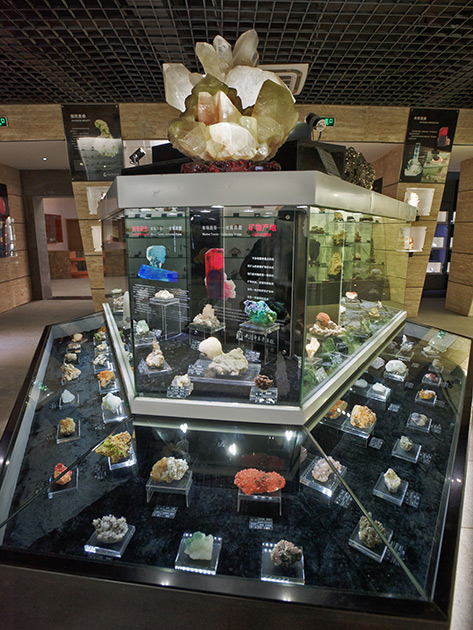

Nestled in the Hanyang District of Wuhan, the National Stone Museum offers a captivating glimpse into China's geological and cultural treasures. Opened to the public in 1993, this unique museum stands as a testament to the rich tapestry of China's geological history and the artistry that has shaped its cultural identity. With over 1,300 pieces of stone, the collection represents a vast array of geological diversity, primarily sourced from various regions across the country, showcasing the allure of both natural beauty and human craftsmanship. The stones are not just geological specimens; they embody stories of ancient civilizations and traditions, making this museum a vital cultural hub in Pechino (Beijing).
### History and Origins The National Stone Museum was established to promote the understanding and appreciation of stone art in China. The country boasts a long history of stone cultivation, dating back thousands of years, when stones were used not only for construction but also for artistic expression. The museum's collection includes a singular piece from Malaysia, while the rest highlights the diverse geological formations found within China's expansive borders. Visitors can admire stones from Inner Mongolia to Hainan Province, revealing the extraordinary variety of landscapes that contribute to this impressive collection.
### Art and Architecture Architecturally, the museum reflects a harmonious balance between modern design and traditional Chinese aesthetics. Its structure is spacious, with natural light flooding the exhibition halls, perfectly illuminating the intricate details of the stones on display. The museum houses not only geological specimens but also exquisite artworks carved from these stones. Notable among them are the Taihu, Lingbi, Yuha, and Yingde stones, each representing distinct geological characteristics and artistic significance. These stones, often used in traditional Chinese gardens, exemplify the interplay between nature and art, a cornerstone of Chinese cultural philosophy.
### Local Culture and Traditions The Hanyang District is rich in local customs and traditions that reflect the broader cultural landscape of Wuhan. Festivals such as the Wuhan International Cherry Blossom Festival not only celebrate the beauty of the region but also highlight the communal spirit found here. Local artisans often participate in such festivals, showcasing their skills in stone carving and other crafts, which are deeply embedded in the area’s cultural identity. The museum stands as a cultural beacon, emphasizing the importance of nature in local traditions and artistic expression.
### Gastronomy No visit to Wuhan would be complete without indulging in its famous cuisine. The city is renowned for its hot dry noodles (reganmian), a dish that tantalizes the taste buds with its rich flavors and unique texture, often paired with pickled vegetables and sesame paste. Another local delicacy is Wuhan's duck neck, a spicy, flavorful snack that exemplifies the city's love for vibrant tastes. For dessert, visitors can savor Wuhan's rice cakes (mianwo), a sweet treat that perfectly complements the savory offerings.
### Lesser-Known Curiosities While the National Stone Museum showcases its impressive collection, many might overlook the stories behind the stones. For instance, the famed Taihu stones, often used in traditional gardens, are said to resemble mythical creatures or ancient landscapes, symbolizing harmony between heaven and earth. The museum also frequently hosts workshops where visitors can learn about stone carving, an art form that has been practiced for centuries in China. Engaging with these workshops can provide deeper insight into the meticulous craftsmanship that defines local culture.
### Practical Visitor Information The best time to visit the National Stone Museum is during the spring and autumn months when the weather is mild, allowing for comfortable exploration. Visitors should allocate at least a few hours to fully appreciate the extensive collection and participate in guided tours if available. It’s advisable to check the museum's schedule for any special exhibitions or events that may enhance the experience. Don’t forget to take in the surrounding area, which is rich in parks and local eateries, making for an enjoyable day out in Wuhan.
As you plan your visit, consider using the Secret World app to craft a personalized itinerary that takes full advantage of Pechino’s hidden gems.
