


In the heart of Munich, the Victory Gate or Siegestor stands as a majestic tribute to history and culture. This triumphal arch was commissioned by King Ludwig I of Bavaria between 1843 and 1852 to celebrate the bravery of the Bavarian army during the Napoleonic Wars. With its striking neoclassical architecture, the arch features one large central arch flanked by smaller arches, crowned by a quadriga—a chariot drawn by four lions, representing victory.
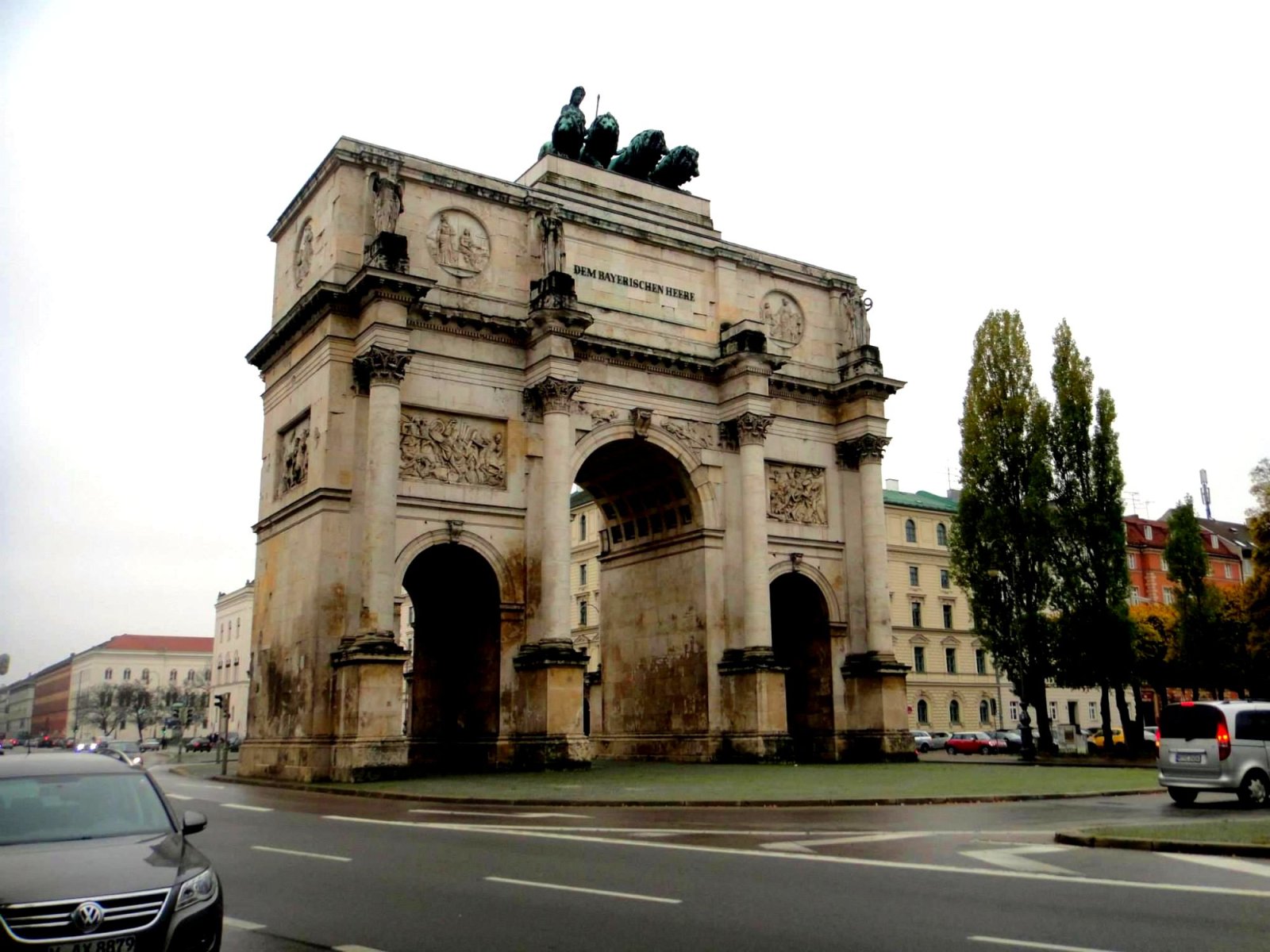
History and Origins The Siegestor is not merely an architectural feat; it holds deep historical significance for Bavaria. The arch was erected as a symbol of the Bavarian troops' valor in the wars against Napoleon, which ultimately led to the liberation of various regions in Germany. The arch's inauguration in 1852 marked a turning point, shifting the narrative from one of military success to a broader message of peace and unity. During World War II, the structure suffered damage but has since been restored, reinforcing its role as a peace symbol.
Art and Architecture Designed in the neoclassical style, the Victory Gate is distinguished by its grand proportions and intricate sculptures. The central arch, measuring 21 meters in height and 24 meters in width, is adorned with reliefs that depict various military victories and allegorical figures. Notably, the quadriga at the top, crafted by the sculptor Johann Baptist Stiglmaier, captures the essence of triumph. The four lions, symbolizing strength and courage, are intricately detailed, showcasing the artistic skill of the time. The arch's design harmoniously blends with the surrounding parks and streets, enhancing the landscape of Munich.
Local Culture and Traditions The Siegestor is a focal point in Munich’s cultural life. It is often used as a backdrop for various local events and festivals, reflecting the city’s vibrant spirit. One notable event is the Munich Oktoberfest, where the arch serves as an iconic meeting point for festival-goers. The surrounding area is also rich in traditions, with locals often gathering for picnics and social events, especially on sunny weekends. This blend of history and contemporary culture makes the Victory Gate an integral part of Bavarian identity.
Gastronomy No visit to Munich is complete without indulging in its culinary delights. Close to the Siegestor, you’ll find numerous eateries where you can savor traditional Bavarian cuisine. Don’t miss out on trying Weißwurst (Bavarian white sausages), served with sweet mustard and freshly baked pretzels. Pair your meal with a refreshing Helles beer, a local specialty, or a traditional Radler, a refreshing mix of beer and lemonade. The vibrant beer gardens nearby provide an authentic Bavarian atmosphere, perfect for enjoying the city's culinary offerings.
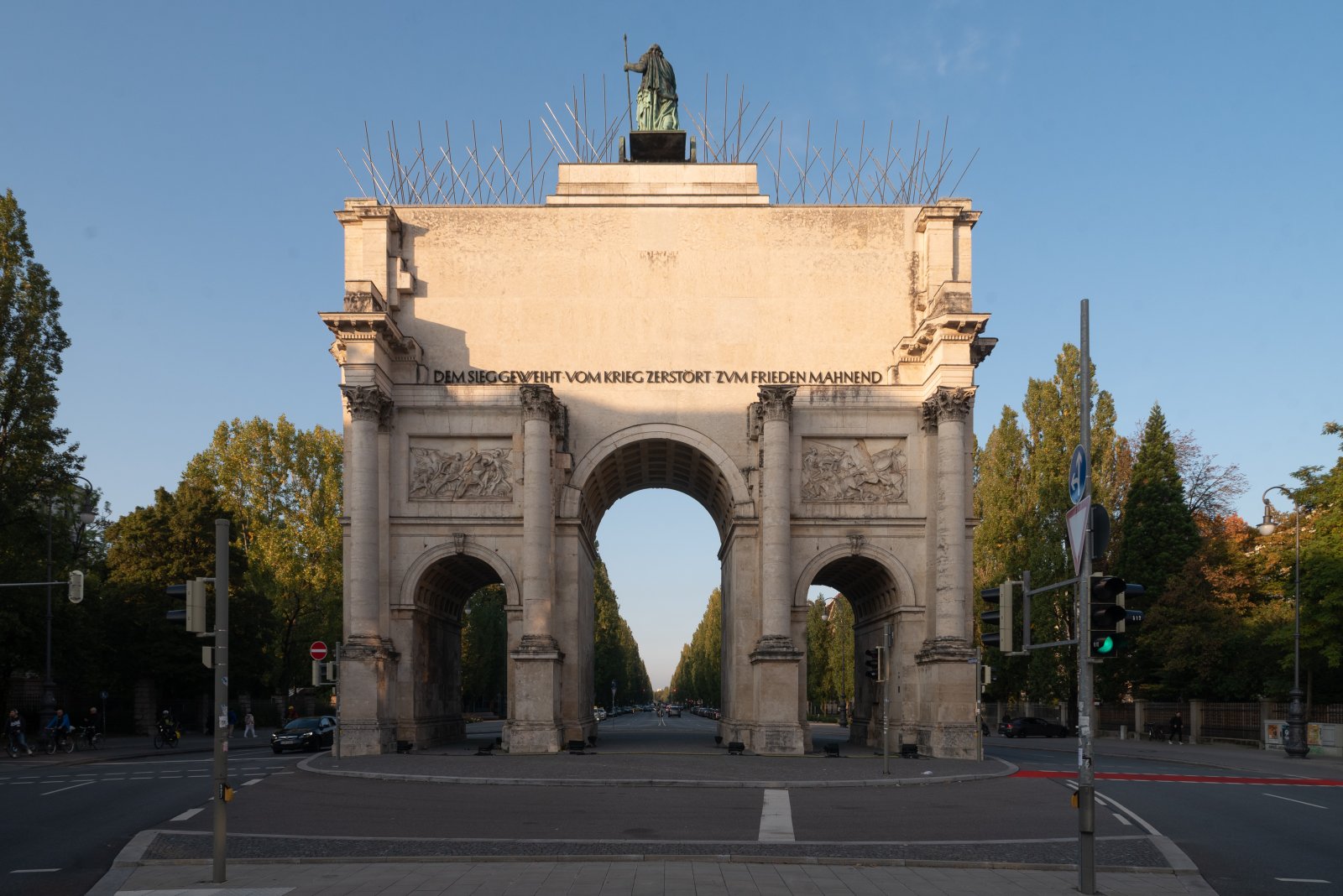
Lesser-known Curiosities While many tourists admire the Victory Gate, few know that it is flanked by two smaller arches, which are often overlooked. Each of these arches features unique sculptures that depict different elements of Bavarian heritage. Additionally, the Siegestor is often mistaken for the more famous Brandenburg Gate in Berlin due to its similar design, yet it carries its own distinct historical narrative. Many locals claim that the best time to appreciate the arch is during sunset when the golden hues bathe the structure, creating a stunning visual spectacle.
Practical Visitor Information To fully appreciate the Victory Gate, the best time to visit is during the late afternoon, when the sunlight casts beautiful shadows and brings out the intricate details of the arch. There are no entry fees, making it accessible for all. Nearby, you can find several cafes and shops to explore, making it easy to spend a leisurely afternoon in the area. For those interested in photography, consider visiting during the golden hour for breathtaking shots of the arch against the vibrant sky.
In conclusion, the Victory Gate in Munich is more than just a monument; it is a testament to the enduring spirit of the Bavarian people, encapsulating both historical significance and cultural vibrancy. Plan your visit to discover the stories and flavors that surround this iconic symbol of peace.


