
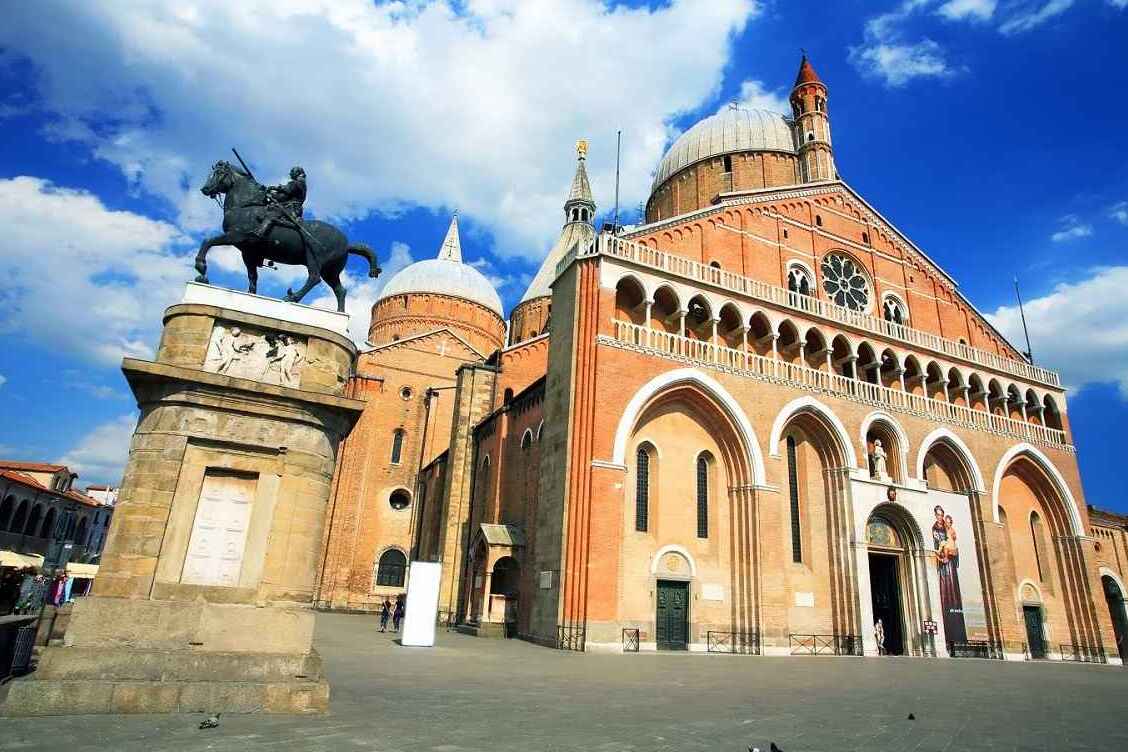

In the heart of Padua, the vast Piazza del Santo stands as a testament to the city’s rich tapestry of history, art, and devotion. This bustling square, often regarded as the soul of Padua, is an enchanting convergence of sacred spaces and artistic marvels, drawing visitors and locals alike to its embrace.
The origins of Piazza del Santo trace back to the early Middle Ages, when the area began to take shape around the revered Basilica of Saint Anthony, commissioned soon after the saint's death in 1231. The basilica, a pilgrimage destination adorned with stunning architecture, became a focal point for spiritual gatherings and cultural exchange. Over the centuries, the square evolved into a vibrant hub of activity, witnessing significant historical events, such as the numerous processions honoring Saint Anthony, which continue to this day.
Architecturally, the square is a harmonious blend of styles that reflect Padua’s artistic evolution. The Basilica di Sant'Antonio, with its distinctive domes and intricate façade, showcases a mix of Romanesque and Gothic influences. Its interior is equally breathtaking, featuring ornate altars, chapels, and an impressive collection of artworks, including masterpieces by Giovanni Bellini and Donatello. The latter’s renowned equestrian statue of Gattamelata, located prominently in the square, pays homage to the 15th-century mercenary leader Erasmo da Narni. This sculpture, one of the most celebrated equestrian monuments in the world, captures the essence of Renaissance artistry with its lifelike detail and commanding presence.
Adjacent to the basilica, the Scuola del Santo further enriches the artistic landscape of the piazza. Constructed in 1427 as the seat of the Archconfraternity of St. Anthony, this building is a masterpiece of its own. The upper hall, accessible via a grand staircase designed by Giovanni Gloria in 1736, showcases frescoes by Venetian artists from the 1500s, depicting the life and miracles of Saint Anthony. Notable works include contributions from Titian and Bartolomeo Montagna, alongside Paduan artists such as Stefano dell'Arzere. The Scuola's intricate decorations and statues attributed to Antonio Bonazza further solidify its status as a significant cultural landmark.
Beyond its artistic and architectural allure, Piazza del Santo pulsates with local culture and traditions. It is a site of devotion where the faithful gather to pay homage to Saint Anthony, especially during the annual Feast of Saint Anthony on June 13th. This vibrant festival transforms the square into a lively celebration filled with music, food, and processions, drawing people from all walks of life. Throughout the year, the piazza serves as a meeting point for Paduans, fostering a sense of community amidst its historical grandeur.
Culinary experiences in this area are equally captivating. Visitors can savor local delicacies that echo the rich flavors of the Veneto region. One must-try dish is Bigoli in Salsa, a traditional pasta served with a savory sauce made from anchovies and onions. Pair it with a glass of Soave, a crisp white wine that complements the local fare beautifully. As you stroll through the piazza, don’t miss the opportunity to indulge in Paduan-style pastries, such as Torta di Noci, a delightful walnut cake that encapsulates the region's culinary heritage.
For those looking to delve deeper into the unique narrative of the Piazza del Santo, there are lesser-known curiosities waiting to be uncovered. Many visitors overlook the Oratory of S. Giorgio, a quaint chapel that houses exquisite frescoes and offers a moment of tranquility amidst the bustling square. Additionally, the square enjoys a unique status of extraterritoriality, which means it is governed by the Vatican, adding an intriguing layer to its historical significance.
The best time to visit Piazza del Santo is during the spring and early autumn when the weather is mild, and the square comes alive with outdoor activities and cultural events. Early mornings offer a serene atmosphere, perfect for contemplation and photography, while afternoons are vibrant with local life. Be sure to take a moment to sit on one of the benches, absorbing the sights and sounds around you, and perhaps enjoy a gelato from a nearby café.
In conclusion, the Piazza del Santo is not just a square; it is a living canvas of Padua’s history, art, and culture. Whether you are marveling at the architectural wonders, participating in local festivities, or enjoying the culinary delights, this piazza invites you to immerse yourself in the spirit of Padua. For a truly personalized experience, consider using the Secret World app to craft an itinerary that will guide you through the treasures of this enchanting city.


