
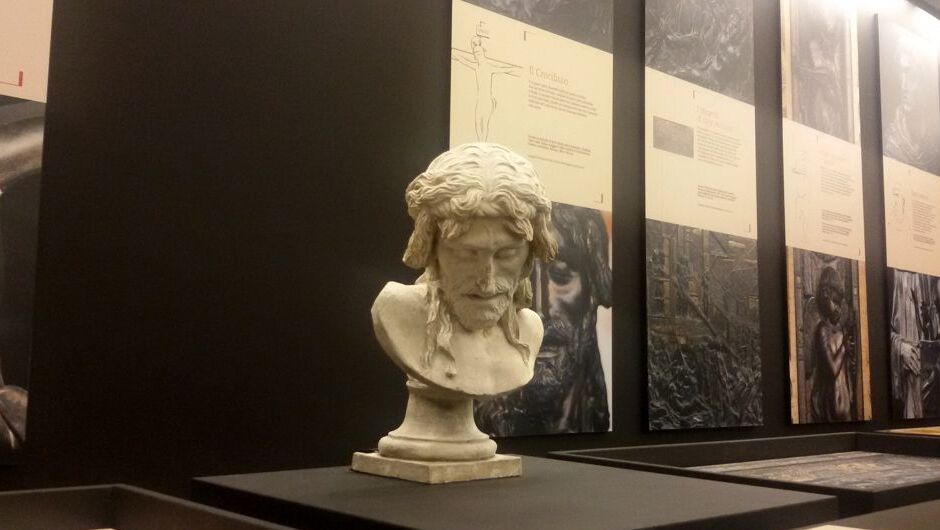

Nestled in the heart of Padova, the Anthonian Museum is a hidden gem that showcases centuries of artistic heritage tied to the Basilica di Sant'Antonio. Reopened in 1995, the museum serves as a bridge between the past and present, housing a remarkable collection of artworks that celebrate the life and legacy of Saint Anthony of Padua. The museum's origins can be traced back to the centuries-old devotion to Saint Anthony, whose tomb became a pilgrimage site soon after his death in 1231. The Basilica, originally built in the 13th century, has undergone numerous renovations, reflecting various architectural styles, from Romanesque to Gothic. This evolution can be witnessed in the museum, which preserves the artistic treasures created for the Basilica and the revered Veneranda Arca di Sant'Antonio.
Among the museum's highlights are the lunette fresco by Andrea Mantegna, created for the Basilica's portal, a stunning testament to the artist's mastery. Visitors can also admire exquisite wooden inlays from the 15th century and the Navicella, a masterwork of German goldsmithing from the 16th century. The altarpieces by Giovanni Battista Tiepolo and Piazzetta further enrich the collection, alongside a rare 18th-century liturgical vestment woven in Lyon. Each piece narrates a story of faith, artistry, and devotion, inviting guests to reflect on the cultural significance of these works.
Padova is steeped in local customs and traditions that resonate with the spirit of Saint Anthony. Each 13th of June, the city celebrates the Feast of Saint Anthony, a lively event filled with processions, music, and religious fervor. The streets are adorned with colorful decorations, and people gather to pay homage, making it a unique experience for visitors. The city's rich cultural tapestry is woven through its festivals, from the Fiera di Padova, a traditional fair showcasing local crafts and gastronomy, to the Padova Jazz Festival, which highlights the city's vibrant artistic scene.
When it comes to gastronomy, Padova is known for its delectable local cuisine. Savor traditional dishes such as bigoli—thick, spaghetti-like pasta typically served with duck sauce or a rich meat ragu. Another local favorite is sopressa, a type of salami with a history dating back to the Venetian Republic. Pair these with a glass of the region's renowned Prosecco or the bold Merlot from the nearby vineyards for a truly authentic culinary experience.
For those looking to uncover lesser-known curiosities about the Anthonian Museum, one fascinating detail involves the Veneranda Arca di Sant'Antonio, which contains relics of Saint Anthony himself. The intricate carvings and sculptures on the Ark depict scenes from his life, including his famous sermons to the fish, which symbolize his gift of eloquence. Many visitors overlook the smaller, yet equally captivating, plaster casts of early Renaissance sculptures that provide insight into the techniques used by artisans of the time.
To make the most of your visit, the best time to explore the Anthonian Museum is during the weekday mornings, when the crowds are thinner, allowing for a more intimate experience with the artworks. Be sure to take your time in front of Mantegna's fresco, as its intricate details can easily mesmerize you. Don’t forget to check out the museum shop, where you can find unique souvenirs inspired by the art and culture of Padova.
In summary, the Anthonian Museum is not just a collection of artworks; it is a testament to the rich history and artistic heritage of Padova. From its impressive collection to its connection with local culture and traditions, this museum offers an enriching experience that is sure to leave a lasting impression. For a personalized journey through the treasures of Padova, consider using the Secret World app to plan your itinerary.


