
← Back

Loggia and Odeo Cornaro, a hidden gem of Padua

Via M. Cesarotti, 37, 35123 Padova PD, Italia ★★★★☆ 440 views
Simona Illy
Padova
🏆 AI Trip Planner 2026

Get the free app

Discover the best of Padova with Secret World — the AI trip planner with 1M+ destinations. Get personalized itineraries, hidden gems and local tips. Free on iOS & Android.

🧠 AI Itineraries 🎒 Trip Toolkit 🎮 KnowWhere Game 🎧 Audio Guides 📹 Videos
Download on the App Store Get it on Google Play
Scan to download Scan to download

About Loggia and Odeo Cornaro, a hidden gem of Padua

Loggia and Odeo Cornaro, a hidden gem of Padua - Padova | Secret World Trip Planner

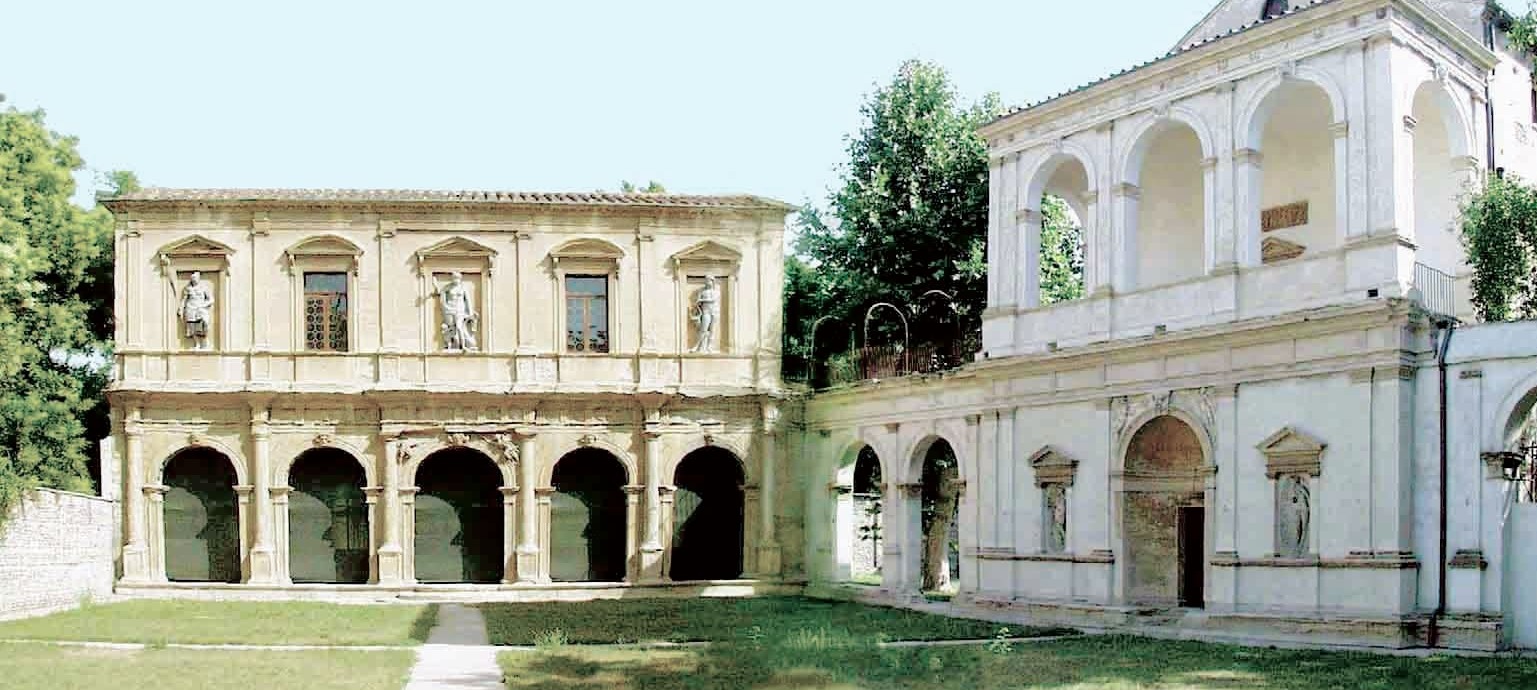
Hidden inside a courtyard within an ancient doorway, which is often closed (a pity) we find the Loggia and Odeo Cornaro. The Loggia and the Odeo, respectively a theatrical scene and a place for music, are the remains of a larger complex of buildings and gardens which were the result of the meeting and fellowship between Alvise Cornaro, a lover of architecture and a scholar of classical antiquity as well as a patron of men of letters and artists, and Giovanni Maria Falconetto, a painter-architect from Verona, with a remarkable archaeological culture consolidated in Rome. The loggia, built in 1524 according to his design, was conceived as a real fixed scene of an ancient theatre, made of Nanto stone and marked by arches alternating with columns on which runs the architrave with metopes and triglyphs, while above the central arch, a reworking of the Roman triumphal arch, there are winged Victories, a recurring motif in the works of the artist. On the upper floor, within three false windows, are the statues in strong stucco representing Diana, Venus and Apollo made, according to Mannerist canons of elegance and movement, by the sculptor Jacopo Colonna, collaborator of Jacopo Sansovino. The interior of the loggia, decorated in the Roman style with alternating frescoes and stuccoes probably created by Falconetto's sons, Ottaviano and Provolo, has four figures in relief of young women in the ovals at the corners of the vault, perhaps allegories of the Four Seasons, while in the roundels on the north wall, the gods that give their names to the planets stand out in stucco on a dark background: Diana-Moon, Mars, Saturn and Venus. On the south side only the image of the Sun is preserved, represented by a bearded man sitting on the solar disk, Mercury with a winged caduceus and Jupiter with a bow and arrows. The Odeo, which probably dates back to 1530 and was a place for music, intellectual leisure as well as the seat of the Accademia degli Infiammati founded in 1540 by Daniele Barbaro, Leone Orsini and Ugolino Martelli, is inspired by the villa of Marco Terenzio Varrone in Cassino, described in a letter to Cicero. The Cultural Association La Torlonga, in collaboration with the Municipality of Padua, manages the opening and enhancement of the Loggia and Odeo Cornaro.In these places passed the first woman graduate of history, Elena Cornaro Piscopia, acted the Ruzante, Paduan theater composer. Visits are only guided and at set times with groups limited in number. There is a website to consult and to book. Themed evenings with tastings are often organised.

🗺 AI Trip Planner

Plan your visit to Padova

Suggested itinerary near Loggia and Odeo Cornaro, a hidden gem of Padua

MAJ+
500.000+ travelers worldwide
  1. 🌅
    Morning
    Loggia and Odeo Cornaro, a hidden gem of Padua
    📍 Padova
  2. ☀️
    Afternoon
    Piazza del Santo, heart of Padua
    📍 0.2 km · Padova
  3. 🌆
    Evening
    Padua and the monumental Treves de' Bonfili Park
    📍 0.2 km · Padova

Buy Unique Travel Experiences

Powered by Viator

See more on Viator.com

Explore nearby · Padova

Frequently Asked Questions

The Loggia and Odeo are hidden inside a courtyard within an ancient doorway in Padua, which is often closed to the public. This makes it a truly hidden gem that requires some effort to access, but the effort is rewarded with a remarkable Renaissance architectural experience that few tourists discover.
The Loggia was designed by Giovanni Maria Falconetto, a painter-architect from Verona with extensive knowledge of classical antiquity, and was built in 1524 for patron Alvise Cornaro. The Odeo, which served as a music room and intellectual gathering space, was constructed around 1530 and later became the seat of the Accademia degli Infiammati in 1540.
The Loggia features three marble statues of Diana, Venus, and Apollo in the upper floor's false windows, created by sculptor Jacopo Colonna in elegant Mannerist style. The interior walls display Roman-style frescoes and stuccoes with planetary gods, allegorical figures of young women representing the Four Seasons, and winged Victories adorning the central triumphal arch.
The Loggia is designed as a fixed scene of an ancient Roman theatre, built with Nanto stone and featuring arches alternating with columns supporting an architrave decorated with metopes and triglyphs. The central arch is a sophisticated reworking of a Roman triumphal arch, reflecting Falconetto's deep knowledge of classical antiquity and Renaissance ideals.
The interior decorations in Roman style, including the frescoes and stuccoes, were probably created by Falconetto's sons, Ottaviano and Provolo, working alongside other artists. The sculptural elements were enhanced by Jacopo Colonna, who collaborated with the renowned Jacopo Sansovino, bringing Mannerist elegance to the space.
