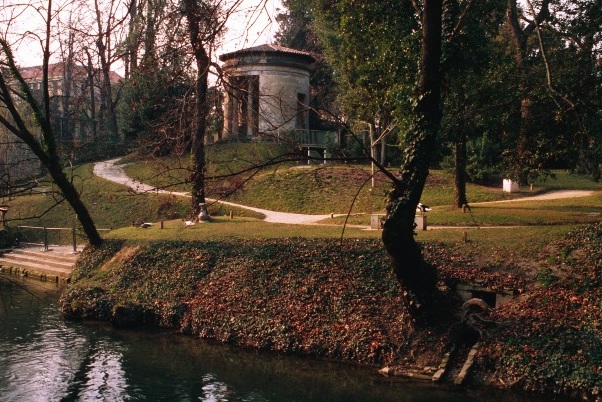

Nestled in the heart of Padua, the monumental Parco Treves de' Bonfili is a testament to 19th-century landscape design, intertwining elegance and nature in a city steeped in history. As the first park designed in Padua, it showcases the vision of Giuseppe Jappelli, who infused the space with a romantic spirit reflective of the era.
### History and Origins
The park was constructed between 1829 and 1835, strategically placed between the old hospital and the remnants of Padua’s 16th-century walls. This location is historically significant, as Padua itself dates back to ancient times, believed to have been founded by the Trojan hero Antenor in the 12th century BCE. Over the centuries, it evolved into a cultural and intellectual hub, home to one of the oldest universities in the world, the University of Padua, established in 1222.
The park’s design was a response to the burgeoning romantic movement, which emphasized a connection between human experience and nature. Unfortunately, the park's integrity suffered during World War II, when significant parts of it, including decorative structures like the Chinese pagoda and the caves, were destroyed, and many trees were lost. The municipality took ownership of the park in 1958, and extensive restoration efforts have sought to revive its original beauty, allowing visitors to enjoy the Upper Monumental Area once more.
### Art and Architecture
Jappelli’s design showcases a blend of neoclassical and romantic styles, characterized by sweeping paths, ornamental gardens, and serene water features. The remaining structures reflect a meticulous attention to detail, with the remnants of the once-grand caves and the elegant small bridges still whispering stories of the past.
Among the park’s notable features is the Chinese pagoda, which epitomizes the era’s fascination with exotic architecture. Although it was lost to wartime destruction, its legacy continues to influence local artistic endeavors. The artistry of the park is complemented by the surrounding landscape, where lush vegetation and ancient trees create a tranquil atmosphere, inviting visitors to wander and reflect.
### Local Culture and Traditions
Padua is rich in cultural traditions, deeply woven into the fabric of its community. The city hosts numerous festivals throughout the year, celebrating everything from local art to culinary delights. One such event is the Festa di Sant’Antonio, held in June, which honors the city’s patron saint with processions, music, and traditional food stalls.
In addition to religious observances, the park serves as a venue for cultural activities, including outdoor concerts and art exhibitions, fostering a sense of community among locals and visitors alike. The spirit of Padua is one of resilience and creativity, echoed in the way the park has been lovingly restored and reinvigorated.
### Gastronomy
No visit to Padua would be complete without indulging in its culinary delights. The local cuisine is a reflection of its agricultural heritage, with specialties such as bigoli (a type of thick spaghetti) served with duck sauce or sopressa (a flavorful salami). The nearby Colli Euganei hills offer a bounty of local wines, including the celebrated Fior d’Arancio and Merlot, which perfectly complement the region’s dishes.
Be sure to try Tiramisù, which is said to have originated in Treviso, not far from Padua. The city also has a vibrant café culture, where you can savor a rich caffè or a delicate gelato while soaking in the views of the park.
### Lesser-Known Curiosities
While many are drawn to the prominent attractions of Padua, Parco Treves de' Bonfili offers hidden gems that often go unnoticed. One such curiosity lies in the rare plant species reintroduced during restoration, which include ancient varieties that were once prevalent in the region.
Additionally, the park's design incorporates elements meant to symbolize harmony and balance, such as the careful placement of paths and foliage to create a sense of flow. Many visitors miss the small sculptures and inscriptions that dot the park, each telling a part of its storied history.
### Practical Visitor Information
The best time to visit Parco Treves de' Bonfili is during the spring and early autumn months when the gardens are in full bloom and the weather is pleasantly mild. Early morning or late afternoon visits provide the most serene experience, as the park tends to be less crowded.
When exploring, take time to wander off the main paths to discover the quieter corners of the park. Look for the remnants of the caves and the small bridges, which, despite their deterioration, still capture a sense of the original grandeur.
For those planning a visit, consider using the Secret World app to craft a personalized itinerary that highlights the best of Padua, ensuring you don’t miss any of its hidden treasures.
