
← Back

Piazza Navona, baroque wonder

Piazza Navona, Roma, RM, Italia ★★★★☆ 293 views
Claudia Rembrand
Roma
🏆 AI Trip Planner 2026

Get the free app

Discover the best of Roma with Secret World — the AI trip planner with 1M+ destinations. Get personalized itineraries, hidden gems and local tips. Free on iOS & Android.

🧠 AI Itineraries 🎒 Trip Toolkit 🎮 KnowWhere Game 🎧 Audio Guides 📹 Videos
Download on the App Store Get it on Google Play
Scan to download Scan to download

Fountains, Squares and Bridges · Roma

Piazza Navona, baroque wonder - Roma | Secret World Trip Planner

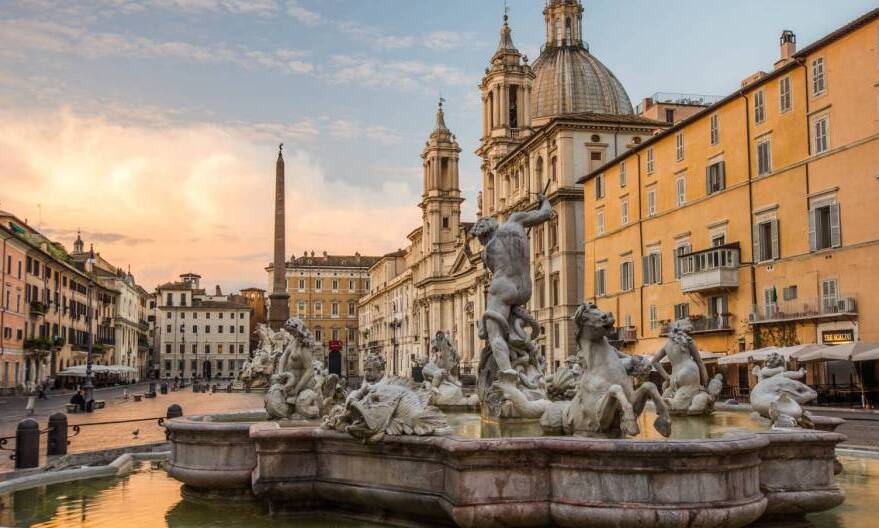
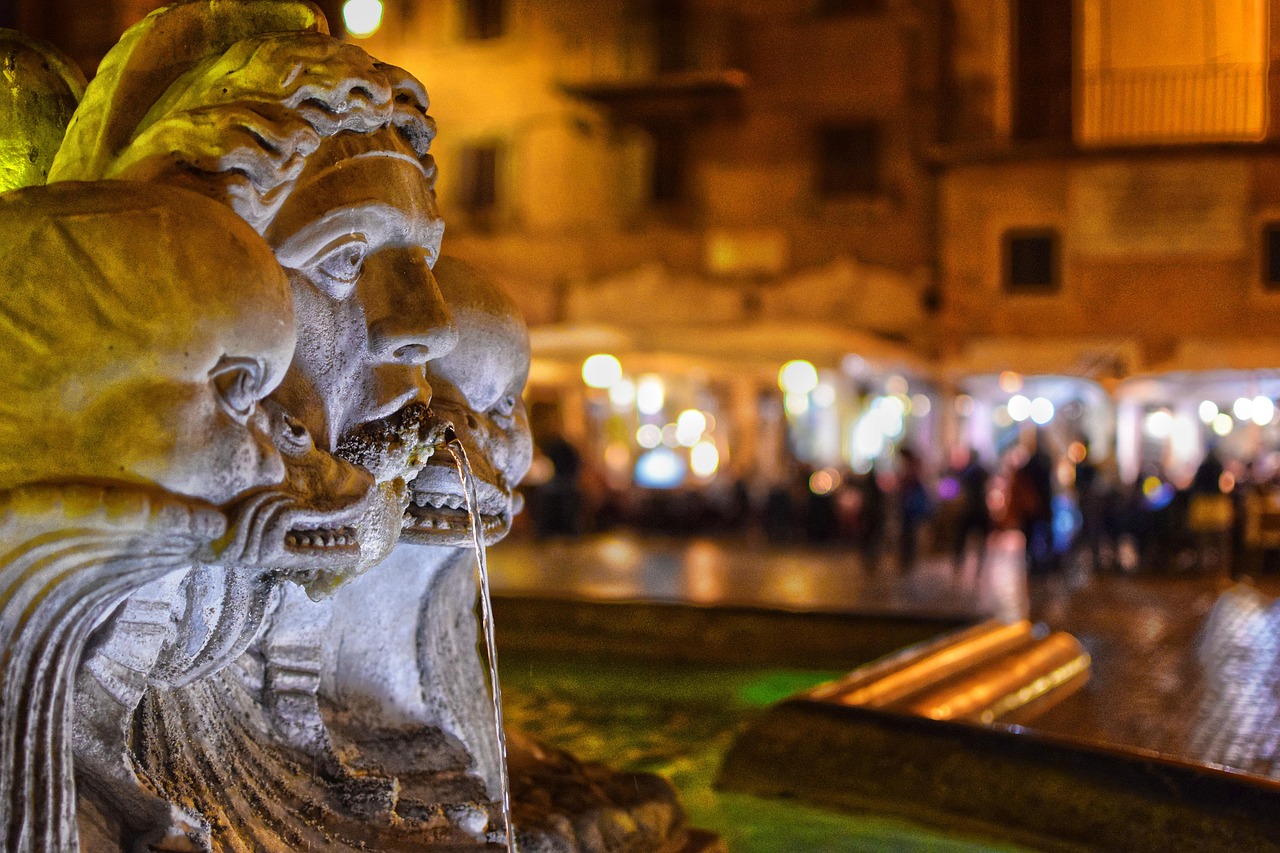
Piazza Navona, built on the ashes of the ancient stadium of Domitian, is one of the most beautiful and important squares in Rome. Great meeting point, the square is always very crowded: street artists, painters, tourists but also the Romans themselves. Despite the great impact of tourism in many people come here to sit on the benches, eat an ice cream or just chat in the bars and clubs that animate it. Piazza Navona can in fact be considered the most loved square by the Romans. During the Christmas period, until the traditional night of the Epiphany, the square is illuminated with a thousand colors, and is filled with stalls selling sweets, crafts and figurines for the crib. With its fountains, palaces and the beautiful Church of San'Agnese in Agone is the quintessential Roman Baroque. Its characteristic oval shape follows the ancient perimeter of the underlying stadium that the Emperor Domitian had built in 86 AD for the Greek athletic games, the so-called agones, from which the name of the square derives. A false urban legend has it that the square, with its concave shape, was used as a theatre for naval battles, while in reality during the summer months the square was flooded with water from the fountains just to combat the strong heat. Domitian's stadium was 275 metres long and 106 metres wide, and could hold up to 30,000 spectators! The remains of this ancient structure are 6 metres below the current street level and can still be seen in a building situated in Piazza di Tor Sanguigna or in the underground rooms of the church of Sant'Agnese in Agone. In the past the square also hosted the local market, with the stalls arranged in an oval shape, which over time was transferred to the nearby market of Campo dei Fiori where it is still located, and limited in this square only to the Christmas period, especially during the Epiphany with the traditional Befana of Piazza Navona.
Piazza Navona, baroque wonder - Roma | Secret World Trip Planner
🗺 AI Trip Planner

Plan your visit to Roma

Suggested itinerary near Piazza Navona, baroque wonder

MAJ+
500.000+ travelers worldwide
  1. 🌅
    Morning
    Piazza Navona, baroque wonder
    📍 Roma
  2. ☀️
    Afternoon
    Navona Square
    📍 0 km · Roma
  3. 🌆
    Evening
    Fountain of Books
    📍 0.1 km · Roma

Buy Unique Travel Experiences

Powered by Viator

See more on Viator.com

Explore nearby · Roma

Frequently Asked Questions

The square's distinctive oval shape follows the ancient perimeter of the Stadium of Domitian, built by Emperor Domitian in 86 AD for Greek athletic games called 'agones'—which is where the square gets its name. The remains of this 275-meter-long, 106-meter-wide stadium still lie 6 meters below the current street level and can be viewed in nearby buildings and the underground rooms of Sant'Agnese in Agone church.
While Piazza Navona is beautiful year-round, the Christmas period through Epiphany night is particularly magical, with the square illuminated in thousands of colors and filled with festive stalls selling sweets, crafts, and nativity figurines. For a more relaxed experience away from crowds, visit during off-peak seasons when you can enjoy the fountains, baroque palaces, and local bars at a leisurely pace.
Piazza Navona features stunning fountains, historic palaces, and the beautiful Church of Sant'Agnese in Agone, which together represent quintessential Roman Baroque architecture. The square is also a vibrant social hub where you'll find street artists, painters, and locals enjoying ice cream and drinks at the surrounding bars and clubs.
This is actually a false urban legend—Piazza Navona was never used as a theatre for naval battles. What did happen is that during summer months, the square was flooded with water from its fountains simply as a practical way for Romans to combat the intense heat.
The local market that historically occupied Piazza Navona with oval-shaped stalls was eventually moved to the nearby Campo dei Fiori, where it remains today. Now markets only return to Piazza Navona during the Christmas season, particularly during the Epiphany celebration with the traditional Befana festival.
