

In the heart of München lies the Residenz Palace, an architectural marvel that stands as a testament to the opulence and history of the Wittelsbach dynasty. This grand structure, originating in 1385, began as a modest castle but has since evolved into a sprawling complex of palaces, reflecting centuries of artistic and architectural evolution.
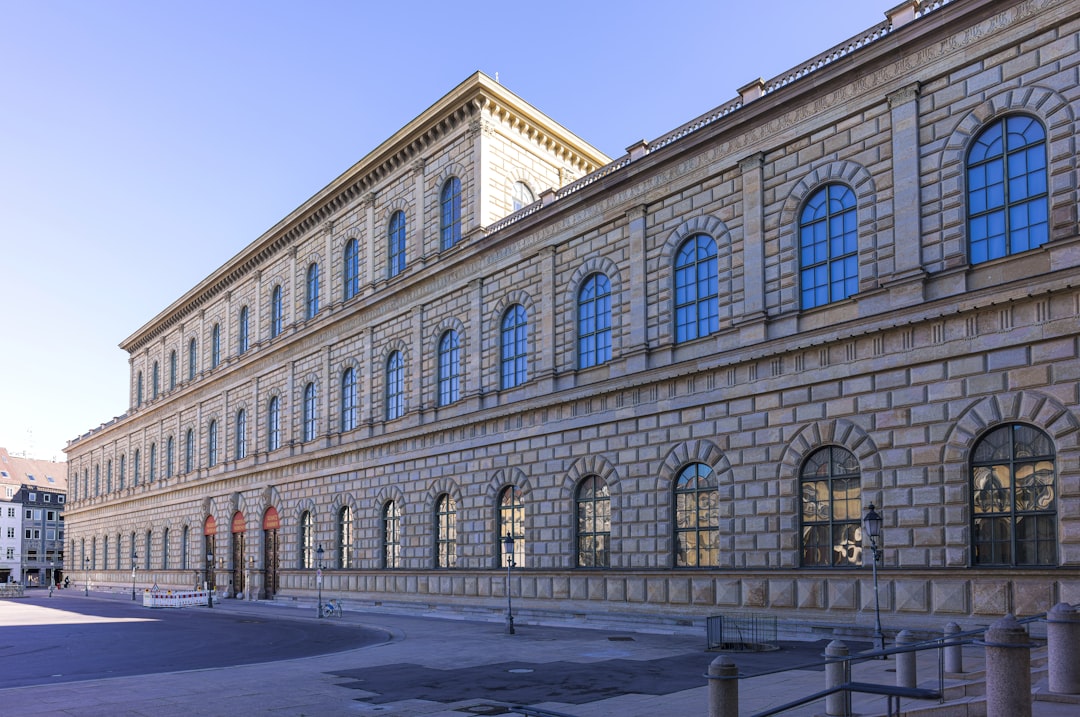
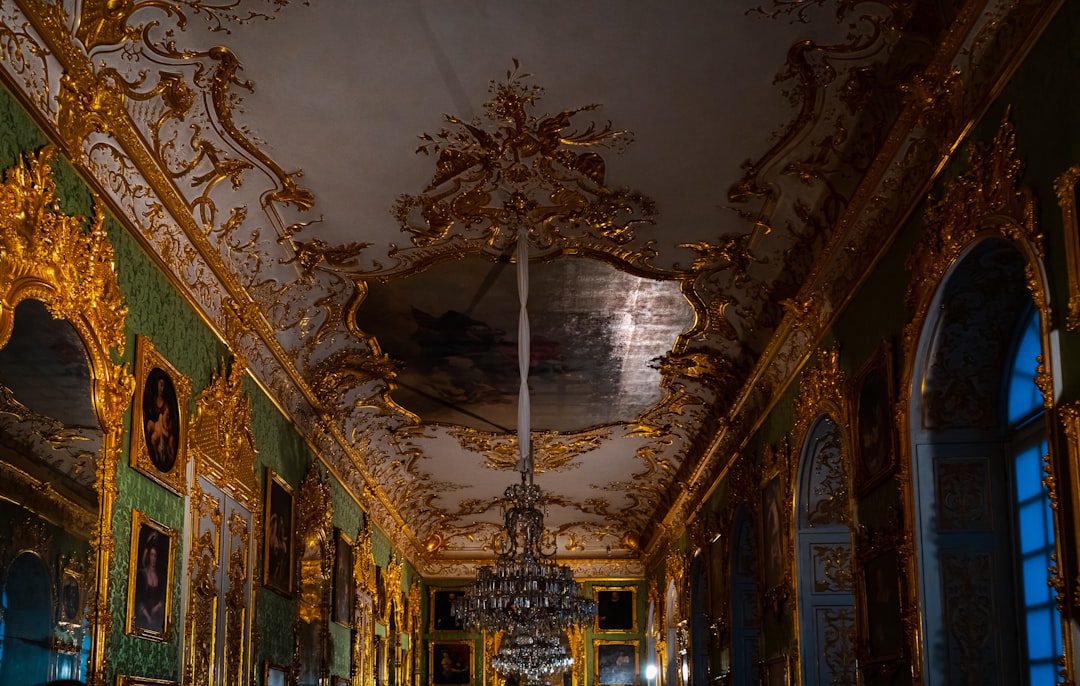
The origins of the Residenz can be traced back to Duke Albrecht III, who commissioned its construction. Over the following centuries, successive dukes and kings expanded the palace, particularly during the Renaissance and Baroque periods. Each addition was a reflection of the prevailing architectural trends and personal tastes of the Wittelsbachs. Notably, the Cuvilliés Theater, a rococo gem completed in 1755, showcases the extravagant design elements of the era, with its ornate plasterwork and exquisite chandeliers.
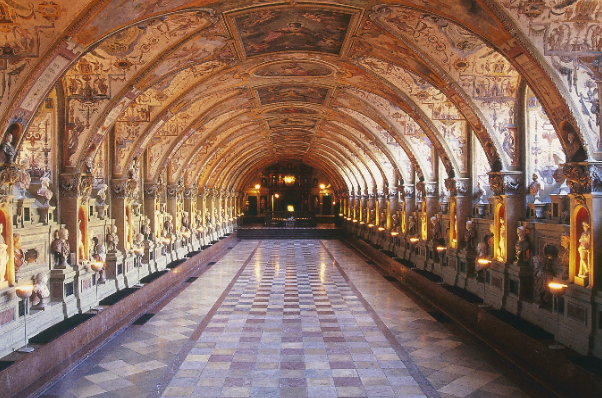
As you wander through the Residenz, you are greeted by a stunning array of art and architecture. Each room is a masterpiece, adorned with antiques, paintings, and tapestries that the Wittelsbach family meticulously collected between the 16th and 19th centuries. The Antiquarium, the largest Renaissance hall north of the Alps, boasts an impressive collection of classical sculptures, while the Ahnengalerie celebrates the lineage of the Wittelsbachs through a captivating series of portraits.
The palace is not merely a relic of the past; it is a vibrant part of local culture. It serves as a venue for various festivals and cultural events throughout the year. The Munich Opera Festival, for instance, often features performances in the nearby Cuvilliés Theater, attracting opera enthusiasts from around the globe. The Residenz also plays an integral role in showcasing Bavarian traditions, including the Tollwood Festival, a celebration of arts and crafts held annually.
When it comes to gastronomy, the culinary scene around the Residenz is equally rich. Traditional Bavarian fare is just steps away, with options like Weisswurst (a white sausage) and Pretzel being local favorites. Pair your meal with a refreshing Hefeweizen, a classic Bavarian wheat beer, while enjoying the ambiance of one of the nearby beer gardens. For a sweet treat, don’t miss out on Apfelstrudel, a delicious apple pastry that is a staple in Munich’s dessert offerings.
Beyond the grandeur lies a trove of lesser-known curiosities. For instance, the Schatzkammer (Treasury) houses the royal treasures of the Wittelsbachs, including the Bavarian crown jewels. Visitors often overlook the fact that the palace was heavily bombed during World War II, leading to extensive restoration efforts that have preserved its historical significance. Moreover, the Residenz is rumored to be haunted, with tales of ghostly apparitions adding an air of intrigue to this magnificent site.
For those planning a visit, the best time to explore the Residenz is during the spring or early fall, when the gardens are in full bloom and the weather is comfortable for strolling. It’s advisable to arrive early to avoid crowds, especially during peak tourist seasons. Don’t forget to take advantage of the free audio guide, available in five languages, which offers in-depth insights into the palace’s history and art.
As you traverse the expansive courtyards and opulent interiors, keep an eye out for specific highlights, such as the breathtaking Queen’s Hall and the intricately designed Rococo Chapel. Each corner of the Residenz tells a story, weaving together the past and present of Bavaria in a unique tapestry of culture and history.
Whether you are an art enthusiast, a history buff, or simply seeking to bask in the splendor of royal Bavarian architecture, the Residenz Palace stands as an unmissable highlight of Munich. For a more personalized experience, consider using the Secret World app to craft your own itinerary exploring this enchanting city.


