
🎄 Win a month in Italy for two — €10,000 · The Secret Italy Prize GO →
The Royal Palace — München
← Back
Palaces, Villas and Castles 📍 München, Germany 540 views

The Royal Palace

With 130 rooms open to the public, the splendid Cuvilliés-Theater, the Schatzkammer (treasure chamber) and the elegant Hofgarten (royal gardens), the Munich Residence is one of the largest royal palaces in Europe, inhabited by the Wittelsbachs until 1918, the year of the fall of...

The Royal Palace — München, Germany.

Location
München
Type
Palaces, Villas and Castles
Opening hours
Weather now
↗ Directions

About The Royal Palace

The Royal Palace - München | Secret World Trip Planner

With 130 rooms open to the public, the splendid Cuvilliés-Theater, the Schatzkammer (treasure chamber) and the elegant Hofgarten (royal gardens), the Munich Residence is one of the largest royal palaces in Europe, inhabited by the Wittelsbachs until 1918, the year of the fall of the monarchy. The Dukes of Bavaria originally resided in the nearby Alter Hof (Altenhofstraße, 13th century) but in 1385 Duke Stephan III decided to build a small fortress; the major expansion works date back to the end of 1500 and will continue until the middle of 1800 with King Ludwig I: the final result is a complex that alternates many styles, from Renaissance to Neoclassical, through Baroque and Rococo.
The Royal Palace - München | Secret World Trip Planner

The palace has three facades: the oldest is the one on the Residenzstraße (begun in 1599) with two large entrance portals framed by the statue of Our Lady, the patron saint of Bavaria ("Patrona Boiariae"), and four bronze lions.

Tradition has it that it is good luck to touch them... in the past, before leaving for battle, soldiers used to touch these lions with the hope of returning safely to their families.
The Royal Palace - München | Secret World Trip Planner

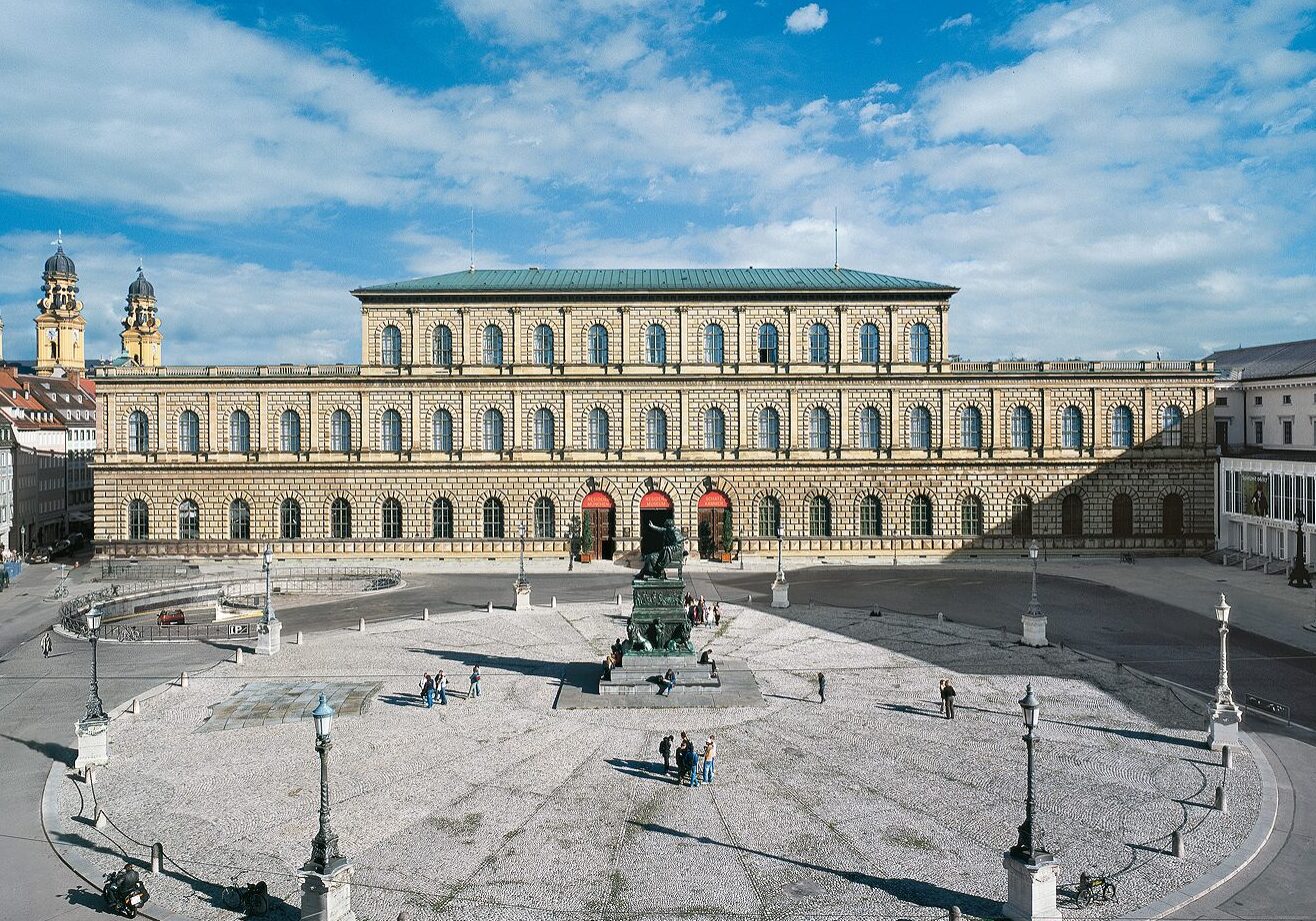
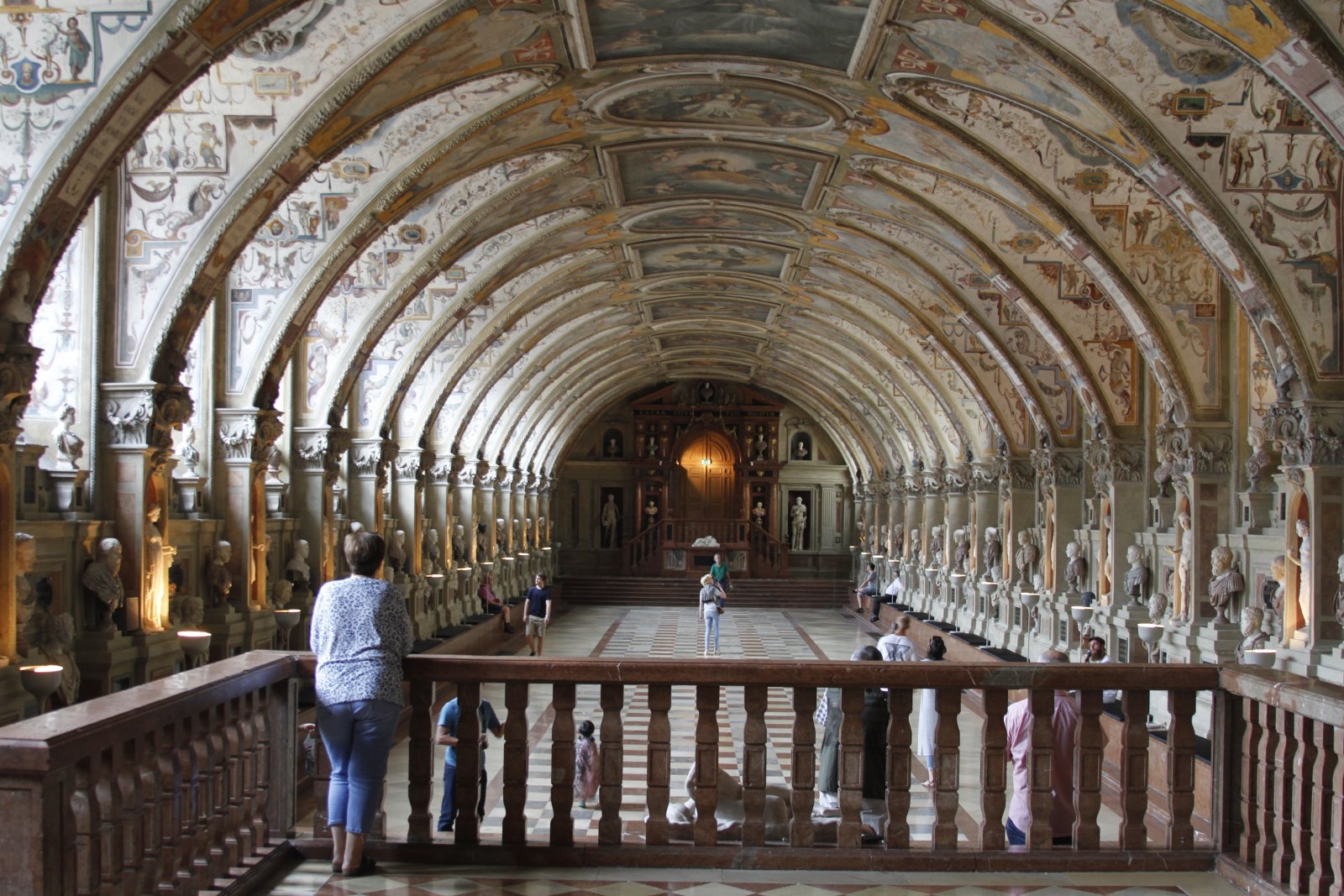
The main facade on the Max-Joseph-Platz, a reproduction of Palazzo Pitti in Florence, and the one overlooking the gardens were instead made in the first half of the nineteenth century by Leo von Klenze.Inside the Residenz, the Ahnengalerie, the gallery of the ancestors with portraits of the most important members of the Wittelsbach family from its origins to Ludwig III (†1921), the last King of Bavaria, and the Grottenhof, the most beautiful of the palace's courtyards, with the Perseus fountain and a reproduction of a nymphaeum entirely covered with shells, impress visitors with its magnificence and refinement; the Antiquarium, the largest Renaissance hall north of the Alps, commissioned by Duke Albrecht V to Friedrich Sustris at the end of the 16th century and embellished with a series of busts of Roman emperors and great frescoes; the Reiche Zimmer, the rococo style parade halls - don't miss the Grüne Galerie and the Miniaturenkabinett - created by François de Cuvilliés for the Electoral Prince Karl Albrecht, the future Emperor of Germany under the name of Karl VII. In the neoclassical apartments of the king and queen in the Königsbau, a 19th century work by Leo von Klenze for Ludwig I, the sumptuous Throne Room and the Gelbe Treppe, a severe staircase introduced by Canova's statue of Venus, stand out.

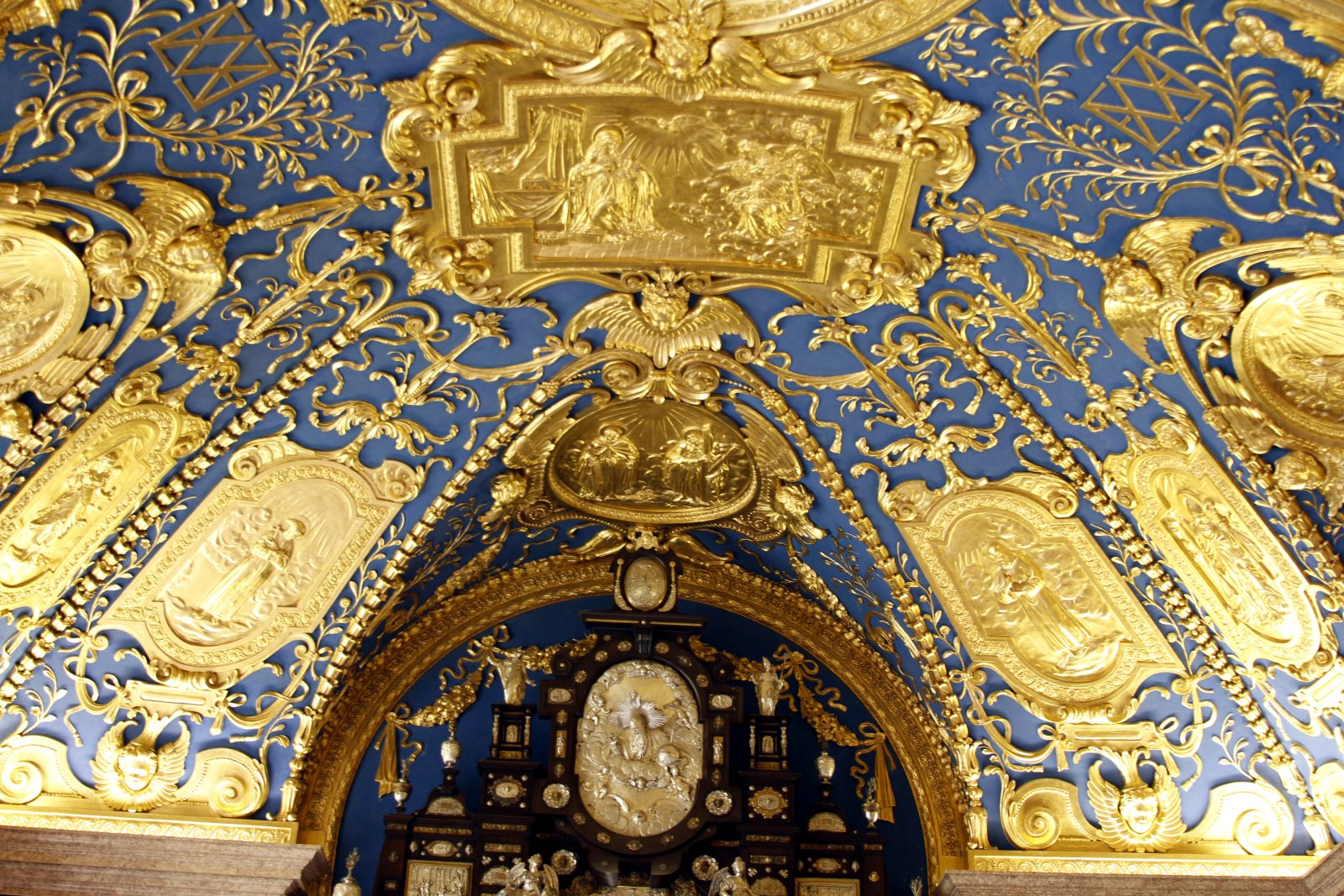
The palace's collections are remarkable: porcelain, in particular from the royal manufactories of Nymphenburg and Meissen, silverware and Chinese ceramics. In 1782, Pope Pius VI hosted Pope Pius VI in the Residenz in the so-called Päpstliche Zimmer and Napoleon I: it was he who raised Bavaria to the rank of kingdom in 1806. In the Hofkapelle, in June 1886, the body of the King of Fairytales and Quot; Ludwig II, after being found lifeless in the waters of Lake Starnberg, was exhibited.

✦ Secret World · suggested day

A perfect day in München

Start with The Royal Palace, then continue with nearby places selected by Secret World.

  1. 01
    Morning
    The Royal Palace
    📍 München
    Start here
  2. 02
    Afternoon
    📍 0 km away
  3. 03
    Evening
    📍 0.1 km away

Collect this place

Turn places you discover into stamps in your Secret Passport.

Open Secret Passport →

Keep exploring · München

Frequently Asked Questions

The Munich Residence has 130 rooms open to the public, making it one of the largest royal palaces in Europe. These rooms showcase different architectural styles ranging from Renaissance to Neoclassical, accumulated through centuries of expansion from 1385 to the mid-1800s.
The four bronze lions at the Residenzstraße entrance are considered good luck symbols, with a tradition dating back centuries when soldiers would touch them before leaving for battle, hoping to return safely to their families. This superstition remains popular with visitors today.
Key attractions include the Ahnengalerie (ancestor gallery) featuring portraits of important Wittelsbach family members, the stunning Grottenhof courtyard with its Perseus fountain and shell-covered nymphaeum, and the Antiquarium, the largest Renaissance hall north of the Alps. Additionally, visitors can explore the Cuvilliés-Theater, the Schatzkammer (treasure chamber), and the elegant Hofgarten (royal gardens).
Construction began in 1385 when Duke Stephan III decided to build a small fortress, with major expansions occurring from the late 1500s through the mid-1800s under King Ludwig I. The Wittelsbach family inhabited the palace until 1918, the year of the fall of the monarchy and the end of the Bavarian kingdom.
The palace showcases a fascinating blend of architectural styles accumulated over four centuries, including Renaissance, Baroque, Rococo, and Neoclassical elements. The main facade on Max-Joseph-Platz was designed by Leo von Klenze in the first half of the nineteenth century as a reproduction of Florence's Palazzo Pitti.

Experiences nearby · München

Powered by Viator

See more on Viator.com

Secret World Hidden places, real stories — plan your trip
Get the app
