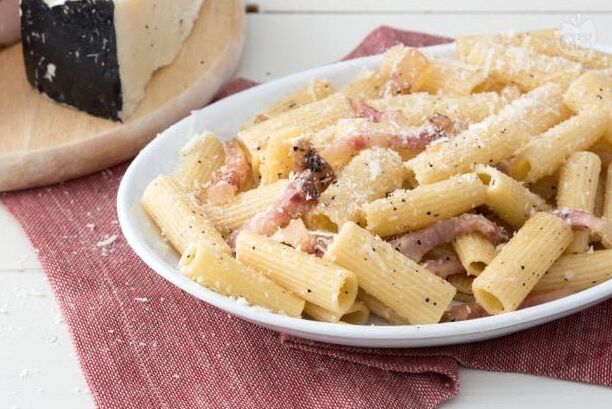

Nestled in the heart of Lazio, a region renowned for its rich culinary traditions, lies a dish that whispers tales of ancient Rome—Pasta alla Gricia. Often overshadowed by its more famous descendant, Pasta all'Amatriciana, this humble dish is a cornerstone of Roman cuisine, embodying a simplicity and depth of flavor that has transcended centuries.
### History and Origins The origins of Pasta alla Gricia trace back to a time before the tomato reached European shores. It is believed to have been crafted by the shepherds of the Apennine Mountains, who relied on the few ingredients they could carry—guanciale (cured pork cheek), Pecorino Romano cheese, and pasta. This dish is often considered the precursor to Amatriciana, with its roots deeply embedded in the Roman countryside. The absence of tomato sauce marks its age, as tomatoes were not introduced to Europe until the 16th century.
### Art and Architecture While visiting Lazio, the architectural grandeur of Rome is undeniably captivating. From the Colosseum to the Pantheon, the city is a living museum. The architectural style here is a blend of ancient Roman, Baroque, and Renaissance influences. Notably, the Vatican City houses some of the most revered artworks, including Michelangelo's frescoes in the Sistine Chapel. Each corner of Rome tells stories of emperors, artists, and the evolution of Western architecture.
### Local Culture and Traditions Lazio, particularly Rome, is a tapestry of cultural traditions. The Festa de' Noantri, celebrated in July in the Trastevere district, showcases the city's religious fervor and community spirit. The festival features processions, music, and food stalls, offering a glimpse into the region’s vibrant traditions. Lazio is also famous for its lively street performances and the iconic Roman Carnival, which fills the streets with colorful masks and costumes.
### Gastronomy Beyond Pasta alla Gricia, Lazio's gastronomy is a feast for the senses. The region is known for its hearty dishes, such as Saltimbocca alla Romana and Cacio e Pepe. Local markets overflow with artichokes and zucchini flowers, staples in Roman cuisine. Pair your meal with a glass of Frascati, a crisp white wine from the nearby hills, to complete the culinary experience.
### Lesser-Known Curiosities Few travelers know of the Appian Way, one of the oldest roads in Rome, which still captures the spirit of ancient Roman engineering. Another hidden gem is the Mithraeum of Circus Maximus, an underground sanctuary dedicated to the ancient cult of Mithras, offering a peek into the mystic rituals of Rome's past.
### Practical Visitor Information The best time to visit Lazio is in spring (April to June) or fall (September to October) when the weather is pleasant, and the tourist crowds are thinner. When in Rome, take time to explore beyond the tourist hotspots. A walk through the Trastevere neighborhood reveals cobbled streets lined with charming trattorias and local artisan shops.
For a personalized travel experience tailored to uncovering Lazio's culinary and cultural treasures, consider using the Secret World app for a unique AI-driven itinerary.
