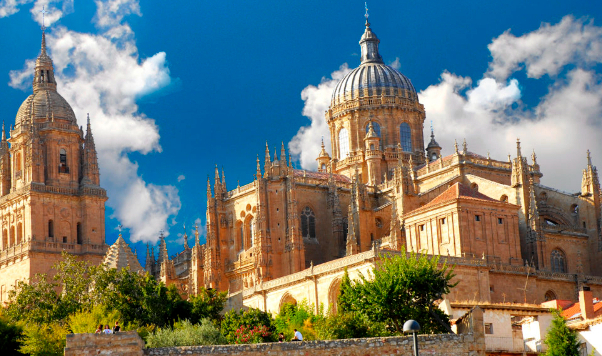

Nestled in the heart of Salamanca, the Royal College of the Company of Jesus, known today as La Clerecía, is a testament to the grandeur of Baroque architecture and the deep historical roots of this enchanting Spanish city. Its imposing facade and intricate artistry invite visitors to step back in time, offering a glimpse into a bygone era when art and spirituality were inextricably linked.
### History and Origins
Founded in the early 17th century, the Royal College of the Company of Jesus was a bold undertaking by the Society of Jesus, a Catholic religious order. Commissioned by Queen Margaret of Austria, the construction began in 1617 and was completed in 1754, though the Jesuits were expelled from Spain in 1767 before its full completion. Originally conceived as a dual-purpose institution, the building housed both a church and classrooms, alongside a monastery for the Jesuit monks. After the Jesuits' departure, it served various roles, including a military barracks, before becoming part of the Pontifical University of Salamanca.
### Art and Architecture
The Clerecía is a quintessential example of Spanish Baroque architecture, characterized by its dramatic use of light and shadow, rich ornamentation, and grandiose scale. The facade is adorned with elaborate stone carvings, featuring saints and religious symbols, which draw the eye upwards towards the sky. Inside, the church boasts a breathtakingly ornate altarpiece and a stunning dome, a masterpiece of engineering and artistic craftsmanship. The interior's lavish decor is a vivid example of the Baroque emphasis on emotional intensity and dynamic movement.
### Local Culture and Traditions
Salamanca is a city steeped in tradition, and the Clerecía plays an integral role in its cultural tapestry. The building itself is a silent witness to the city's various religious processions and festivals, particularly during Holy Week. These events are marked by solemn parades featuring penitents and elaborate floats, drawing locals and tourists alike to experience the profound spirituality and communal spirit that define Salamanca.
### Gastronomy
A visit to Salamanca would be incomplete without indulging in its rich culinary offerings. The region is famed for its hornazo, a savory pastry filled with meats like chorizo and pork, traditionally eaten during Easter. Pair this with a glass of Ribera del Duero, a robust local red wine, to truly savor the flavors of the area. The city's vibrant food scene also includes tapas bars, where you can sample a variety of local delicacies while soaking in the lively atmosphere.
### Lesser-Known Curiosities
One of the lesser-known facts about the Clerecía is its hidden passageways and secret rooms, once used by the Jesuits for clandestine meetings and spiritual retreats. Visitors often overlook the Scala Coeli, or "Stairway to Heaven," which offers a panoramic view of the city's historic skyline from the towers – a breathtaking sight that is well worth the climb.
### Practical Visitor Information
For those planning a visit, the best time to explore the Clerecía is in the spring or autumn when Salamanca's weather is mild and inviting. Aim for a weekday visit to avoid the weekend crowds, and set aside at least a couple of hours to fully appreciate the intricate details of the architecture and the serene beauty of its interior spaces. Don't miss the chance to explore the adjacent Pontifical University, as the two sites together offer a comprehensive look at the city's academic and religious heritage.
To ensure you don't miss a thing, consider using the Secret World app to create a personalized itinerary for your Salamanca adventure.
