
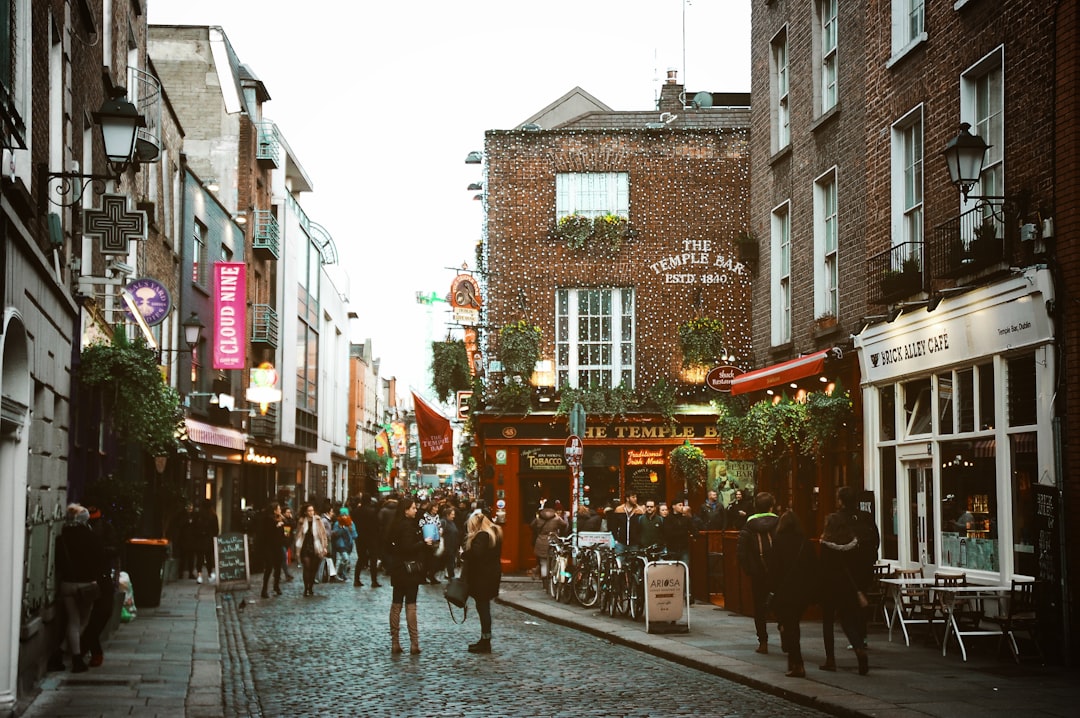

I had three days in Dublin and a list of places to see as long as the River Liffey: Trinity College, Kilmainham Gaol, the Guinness Storehouse, the Temple Bar district, maybe a trip to Howth. The problem wasn't finding the attractions; everyone knows those. The problem was figuring out how to put them together sensibly, without wasting hours on unnecessary walking or ending up at 5:30 PM in front of a museum that was already closed. It was in this context that I decided to test Secret World, the AI trip planner that is being talked about a lot in 2026.
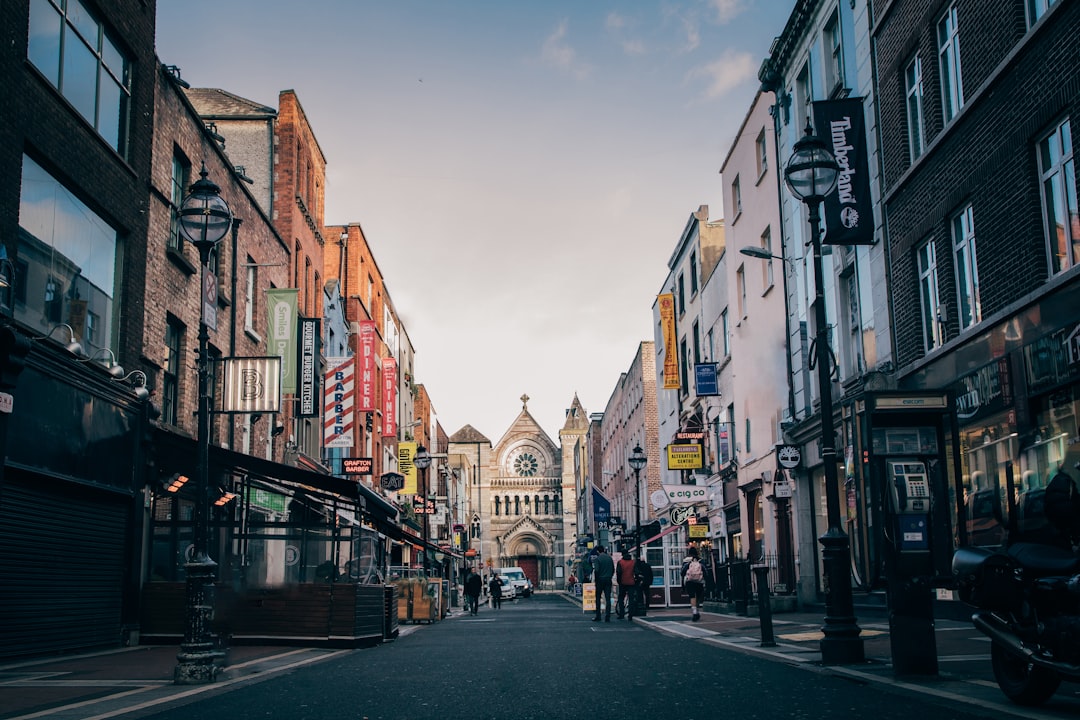
I didn't expect miracles. I have already used ChatGPT to plan trips, and the result is always the same: plausible but generic itineraries, with no sense of real distance, made-up times, and no information on prices. Secret World promises something different: an AI specifically trained on tourism, with updated data on hours, costs, and logistics. I decided to verify it in the field, in Dublin, with concrete questions.
What I asked the AI and how it responded
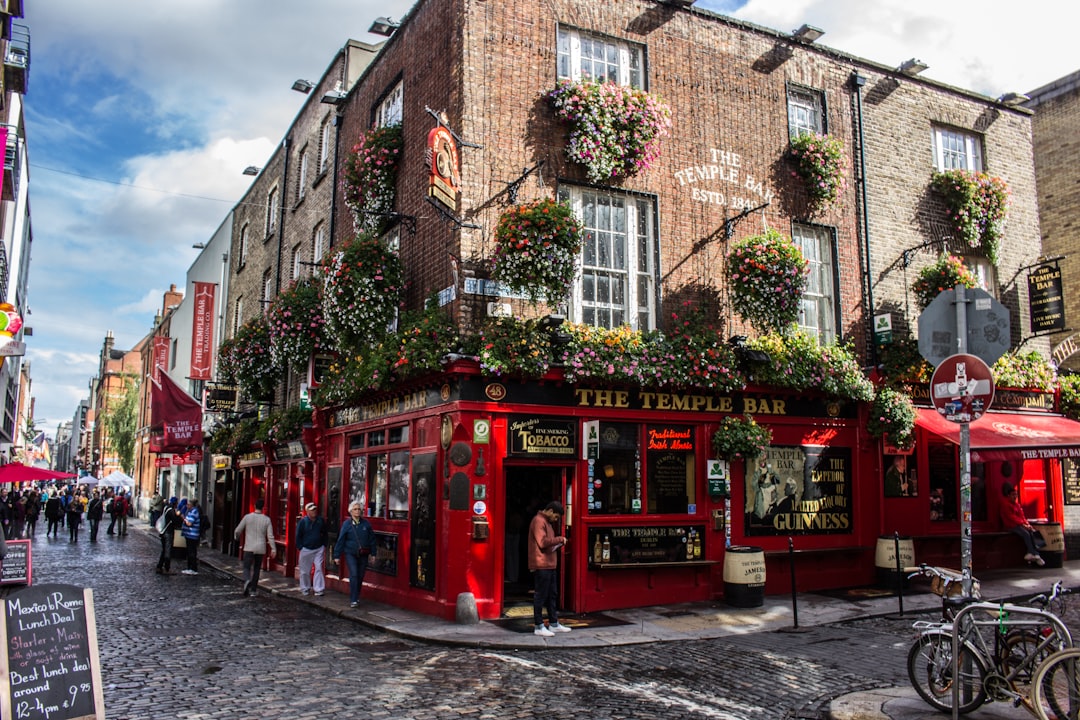
The first request was straightforward: “Organize three days in Dublin starting from the center, medium budget, I want to see history and culture but also something off the tourist tracks”. The response arrived in less than thirty seconds and was structured by geographical areas, not by thematic categories. This is already an intelligent signal: the first day covered the area around College Green, with Trinity College (ticket about 16 euros, recommended to book online to avoid queues), the Book of Kells, and a walk along Nassau Street to Merrion Square. Realistic visiting times: two and a half hours for Trinity, not “a couple of hours” as anyone writes.
The second day was dedicated to the west area: Kilmainham Gaol early in the morning (ticket 8 euros, reservation required months in advance during high season), then Phoenix Park on foot, with the note that the park is 707 hectares large and that without a specific destination one can get lost. The AI suggested aiming for Dublin Zoo or the presidential residence of Áras an Uachtaráin, which can be visited for free on Saturdays. This detail, the free visit on Saturday, I did not know. It’s the kind of information that makes a difference.
The itinerary in practice: how well does it really work
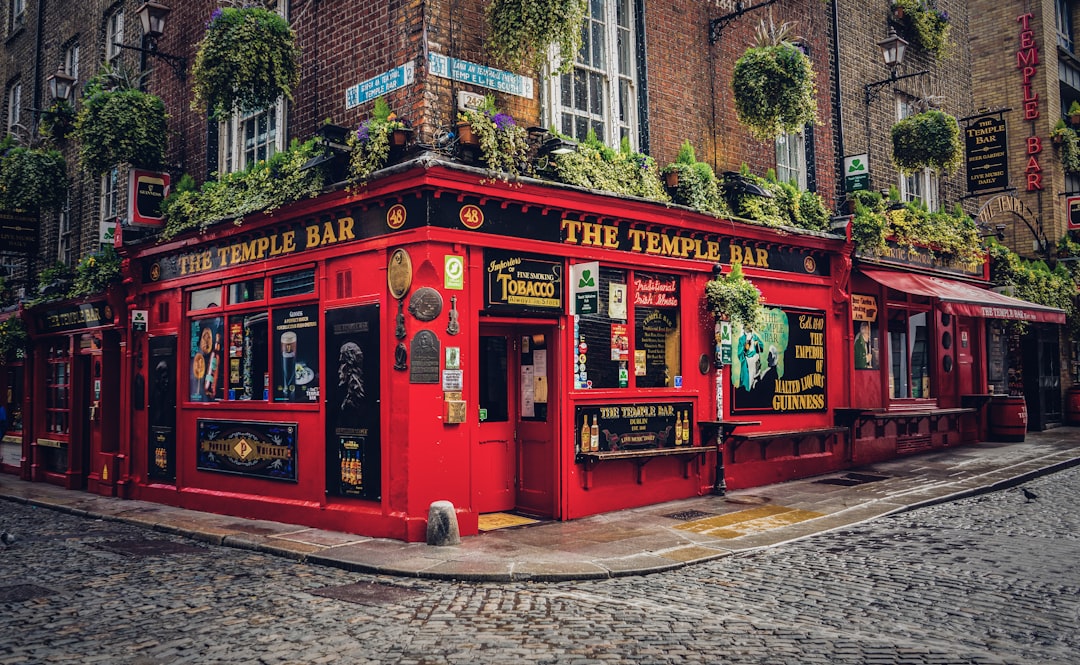
I followed the plan for the first day almost to the letter. The sequence Trinity College → National Museum of Ireland (free entry, do not skip) → Temple Bar in the late afternoon had a precise geographical logic: all walkable in less than twenty minutes of total travel. No taxi, no bus. Secret World had calculated this as well, indicating the distances between one point and another. From Trinity to the National Museum is about 600 meters. From there to Temple Bar another 700. Trivial details, but no other tool had provided them so clearly.

Where AI showed some limitations is in deep personalization. When I asked to modify the itinerary to include a visit to Howth, the fishing village north of Dublin reachable by DART in about 30 minutes from Connolly Station, the response was correct but a bit rigid: it moved Howth to the third day without asking me my preferences on the times. I had to specify that I wanted to go there in the morning to see the fish market. After that clarification, the update was immediate and precise.
Comparison with competitors: ChatGPT, Google Trips, and TripAdvisor
The most obvious comparison is with ChatGPT. The main difference is that Secret World maintains the context of the conversation more consistently and works with structured tourism data: it knows that the Guinness Storehouse costs about 28 euros, that it's advisable to book in advance, and that it takes at least two hours. ChatGPT often makes up prices or leaves them vague. Google Trips is more focused on pure logistics, great for transportation but lacking in editorial content. TripAdvisor remains unbeatable for user reviews, but it doesn't plan anything: it gives you lists, not the order.
Secret World positions itself in the middle: it is not a review search engine, nor is it a navigator. It is a planning tool that uses AI to build itineraries consistent with the geographical and logistical reality of a city. It worked well in Dublin. It is not perfect, but it is honest: when it doesn't know something, it says so. This, in 2026, is already a competitive advantage over tools that confidently make things up.
Final vote: 9/10, here's why
I gave Secret World 9 out of 10 for a simple reason: it saved me at least four hours of research and provided me with concrete information that I verified to be accurate. The missing point is for customization: the AI responds well to direct questions, but it does not anticipate your preferences unless you explicitly provide them. It's not a serious limitation; it's more of a guideline on how to use it best: the more details you give, the better the output.
If you are planning a trip to Dublin or any other European city, Secret World is the tool I recommend you use as a first step. It does not replace personal research, but it drastically reduces it. Try Secret World for free on the official website, enter your destination, and see what it suggests: the first itinerary will convince you on its own.


