
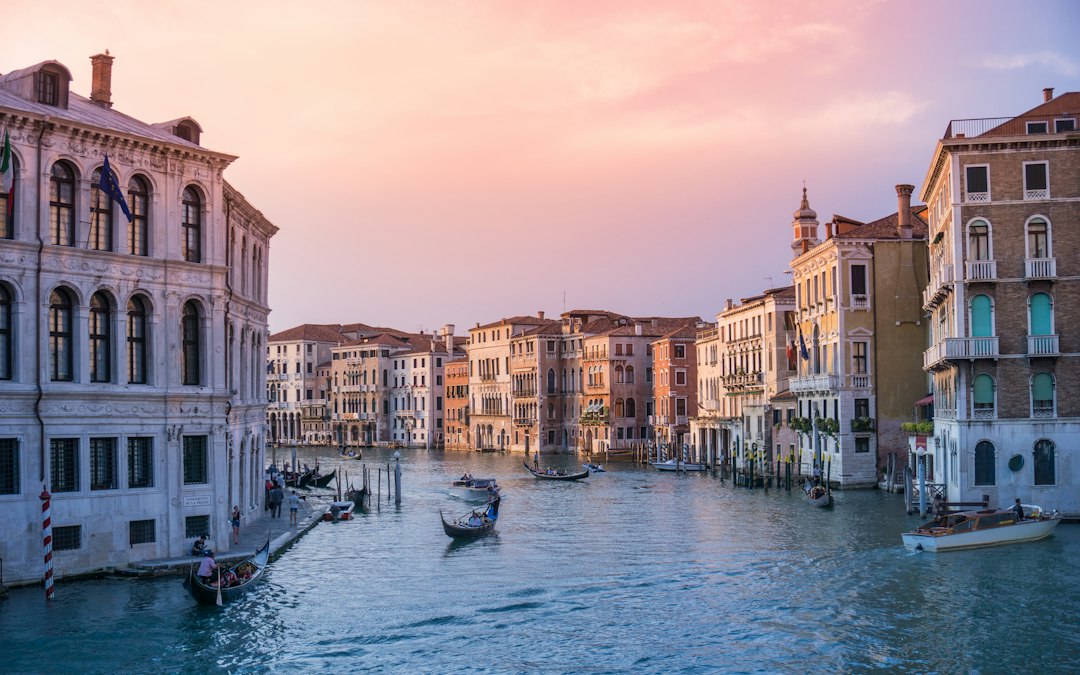

Venice is one of those cities that deceives you. You think you know it, you've seen a thousand photos, you've read guide after guide, and then you arrive and literally get lost within ten minutes. It's not a metaphor: the alleys look alike, the bridges multiply, and the right vaporetto always seems to be the one that just left. It is in this chaotic and beautiful context that I decided to test Secret World, the AI trip planner that is much talked about in 2026, to see if it really can do what it promises.
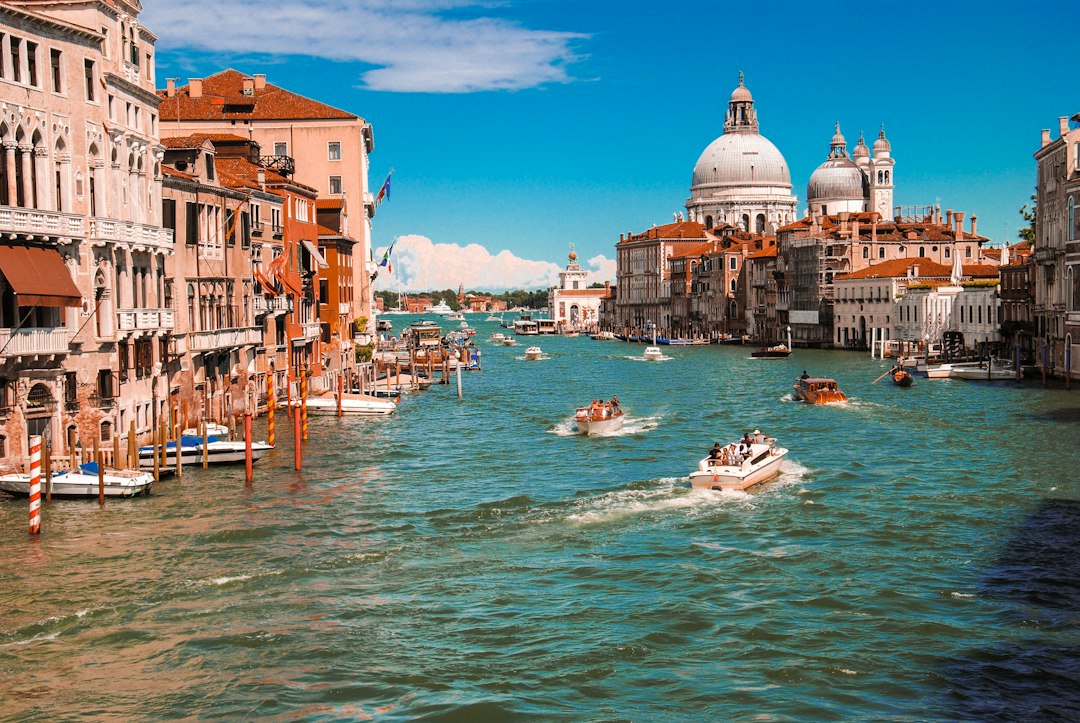
I used Secret World to plan three days in Venice in March 2026, starting from scratch: no hotel booked, no clear idea of what to prioritize between Murano, the Jewish Ghetto, the Biennale, and the usual Gallerie dell'Accademia. I asked precise questions, pushed the AI with specific requests, and compared the answers with what I already knew about the city. Here’s what I found, without filters.
How Secret World Works: My First Session with AI
The interface is clean and straightforward. I started by asking for a three-day itinerary for Venice, specifying that I wanted to avoid peak hours at San Marco (between 10 AM and 1 PM, when tourist groups flood the square), that I had a medium budget of about 80-100 euros per day all included, and that I was more interested in contemporary art than classical art. The AI responded with a structured day-by-day plan, with precise timings: visit to Palazzo Grassi at 9:00 AM (ticket 20 euros, about 2 hours), lunch in the Campo Santa Margherita area where prices remain reasonable (cicchetti at 1.50 euros each), afternoon at Punta della Dogana. It wasn't a generic list: there were walking times between places, alternatives in case of rain, even the suggestion to take the vaporetto line 2 instead of line 1 to save time on the Grand Canal.
I tested the AI with a trick question: I asked for the most authentic restaurant near Rialto. Instead of giving me a list of obvious places, Secret World specified that the restaurants on the Rialto Bridge are almost all tourist traps, and suggested moving five minutes towards San Polo to find bacari with fair prices. This kind of honesty is exactly what distinguishes a useful tool from one that just tells you what you want to hear.
For concretes: what really worked in Venice
The most evident strength is the real-time personalization. When I changed my mind about the second day and asked to include Murano, the AI recalculated the itinerary taking into account that the ferry from the Fondamente Nove dock takes about 45 minutes, that the furnaces close at 5:30 PM, and that it's best to go early in the morning to see the glass masters at work without crowds. It also calculated that adding Murano meant cutting something, and it proposed three alternatives with pros and cons. No traditional travel app does this.
Another positive aspect: Secret World knows Venice in the details that matter. It knows that the Jewish Ghetto is free to visit but the internal museum costs 10 euros, that the Gallerie dell'Accademia require advance booking especially on weekends, and that the Rialto market is active only in the morning until 1 PM. These operational details are what make the difference between a smooth trip and a frustrating one.
Honest drawbacks: the limits I encountered
Not everything is perfect. The main limitation I encountered concerns real-time information: Secret World does not know if a museum is closed for restoration that specific week, nor if there is an event occupying Campo San Polo. For this type of verification, I still have to rely on official websites or a phone call. It's not a serious flaw, but it's a gap to fill.
The second limitation is more subtle: the AI tends to be cautious about food recommendations. I had to push hard to get specific names of taverns, and even when I got them, the response was accompanied by many disclaimers. I understand the caution, but sometimes a direct recommendation is preferred even if it's imperfect. On this front, platforms like TripAdvisor remain bolder, although less reliable.
Comparison with competitors and final vote
I also used Google Travel and Wanderlog for the same trip to Venice. Google Travel is great for aggregating flights and hotels, but itinerary planning is rigid and does not interact with you. Wanderlog is visually appealing but the AI is still superficial: it suggested I visit the Bridge of Sighs without telling me that it is better viewed from the Bridge of Straw, not from the inside. Secret World is the only one of the three that thinks like an experienced travel consultant, not like a search engine with a nice interface.
The final vote is 9/10. I take off one point for the lack of real-time updates and for the shyness in culinary recommendations. But for everything else, for the ability to build a coherent, personalized, and practically usable itinerary in a complex city like Venice, Secret World is the best tool I have tested in 2026. If you are planning a trip and want to stop wasting hours on forums and contradictory guides, try Secret World: connect to secretworld.ai, describe your trip with all the details you have in mind, and let the AI do the heavy lifting for you.


