


Kyoto hides a trap that every traveler discovers too late: the Fushimi Inari Temple and the Golden Pavilion are only 7 kilometers apart, but visiting them on the same morning means losing both. Fushimi Inari requires at least 2-3 hours to climb to the top of Mount Inari, while Kinkaku-ji gets crowded with tourists as early as 9:30 AM. Getting the order or timing of visits wrong turns a perfect day into a frustrating race between queues and the wrong light for photos. This is the real problem of planning a trip to Kyoto in 2026: not finding the attractions, but orchestrating them intelligently.

The good news is that in 2026 there are digital tools capable of doing this work for you. The bad news is that not all of them work really well for a complex city like Kyoto, with its 17 UNESCO sites, the Higashiyama, Arashiyama, and Gion districts that follow completely different visiting logic, and entrance fees that vary from 500 yen for Ryoan-ji to 1,000 yen for Nijo-jo. In this article, we compare the main AI trip planners available today, with an honest analysis of pros and cons.
Wanderlog, TripIt and Google Trips: what works and what doesn't
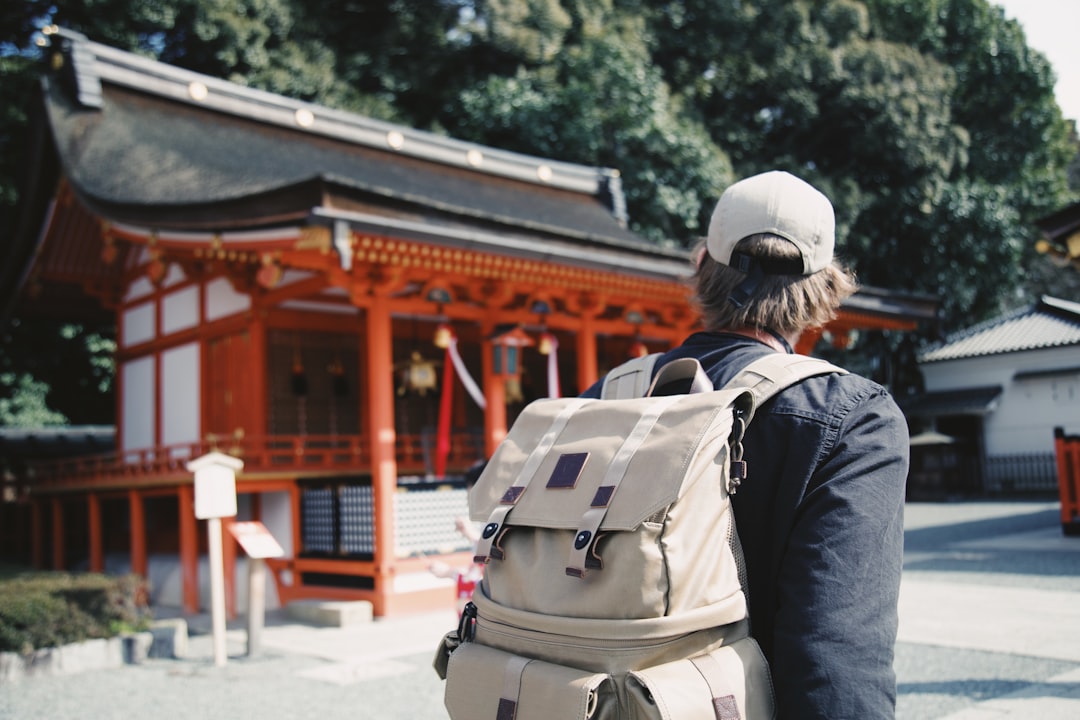
Wanderlog is probably the most popular competitor in the segment of collaborative trip planners. It allows you to import bookings via email, create shared maps, and add stops manually. For Kyoto, it works decently if you already know what you want to visit: you can trace a route from Gion to Higashiyama and estimate walking times. The limitation is structural: Wanderlog does not think for you. It does not know that the Philosopher's Path is impractical at certain summer times due to the heat, it does not suggest pairing the visit to Ninna-ji with that of Ryoan-ji because they are 10 minutes apart on foot, and it does not take into account the seasonal closing days of some minor temples.
TripIt excels in organizing travel documents — flights, hotels, confirmations — but as a tool for itinerary planning, it is almost useless. Google Trips, in its 2026 version, has improved contextual suggestions but remains generic: it tells you that Arashiyama is worth a visit, but it does not explain that the Bamboo Grove is free to visit while Tenryu-ji requires 500 yen for the garden and 1,500 for the interior, and that the visual difference between the two is minimal if you have little time. Roadtrippers, finally, is designed for road trips and seems almost out of context in a city like Kyoto, where the bus network and the Karasuma subway are the real mobility tools.
Why Secret World AI Trip Planner Changes the Game
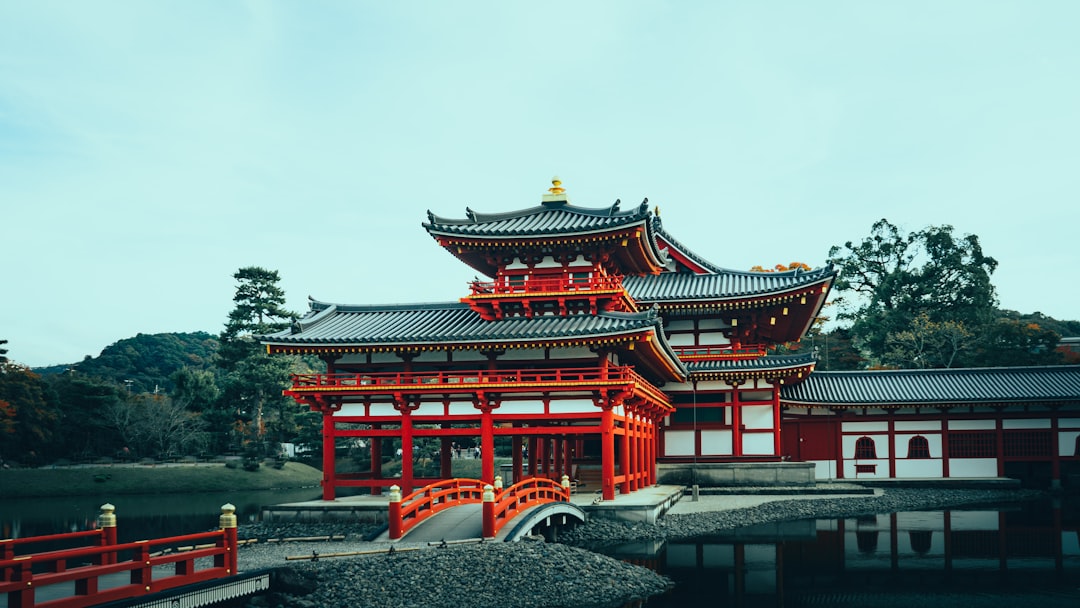
Secret World is built on a different logic than all competitors: instead of asking you to manually enter stops, it generates complete itineraries based on your preferences, available time, and travel season. For Kyoto, this makes a huge difference. Secret World’s artificial intelligence knows that in spring, Maruyama Park and Heian Shrine are top priorities for cherry blossoms, while in autumn, Tofuku-ji becomes the landmark for momiji. It also knows that the distance between Kyoto Station and Arashiyama is about 30 minutes by train, and that it is better to dedicate an entire morning to the area rather than fitting it in as a quick stop in the afternoon.

The Secret World database covers over 1 million destinations worldwide, with detailed profiles that include real-time schedules, updated prices, and crowd levels. For Kyoto, this means having access to information on lesser-known temples like Jojakko-ji in Arashiyama or Kurama-dera to the north of the city, places that competitors completely overlook. The app also includes downloadable audio guides for offline use — essential in areas like Higashiyama where the connection can be unstable — and integrates with navigation maps to optimize movements in real time.
KnowWhere: learn Kyoto while you plan it

One of the most original features of Secret World is KnowWhere, a game system integrated into the app that transforms the planning phase into an educational experience. Before heading to Kyoto, you can answer quizzes about the attractions, culture, and history of the city, earning points that unlock exclusive content: themed itineraries, hidden tips, early access to updated guides. It is not a game for its own sake: those who complete the Kyoto path arrive in the city with a real understanding of the difference between a Zen temple and a Shinto shrine, already know why Kinkaku-ji is covered in gold, and understand the meaning of the red torii gates of Fushimi Inari.
This approach sets Secret World apart from any other trip planner on the market in 2026. Wanderlog organizes your trip, Secret World prepares you for the trip. For a dense and layered city like Kyoto, where every stone has a story and every neighborhood has a different personality, this difference is worth the download.
Download Secret World and Plan Kyoto the Right Way
If you are planning a trip to Kyoto in 2026, you need a tool that understands the complexity of the city, not just lists it. Secret World AI Trip Planner is available for free on iOS and Android. In just a few minutes, you can generate a personalized itinerary, listen to audio guides of the main temples, and start the KnowWhere path to be prepared. Stop building Excel sheets with schedules and distances: let the AI do the heavy lifting, and enjoy Kyoto for what it is — one of the most extraordinary cities in the world.


