
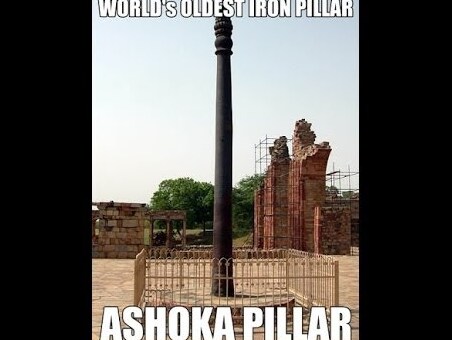

In the heart of the Qutb Complex in New Delhi, the Iron Pillar stands as a testament to ancient Indian metallurgy and artistry. This 7.2-meter tall marvel has intrigued historians and scientists alike for centuries due to its remarkable resistance to rust, despite being over a thousand years old. It is believed to have been erected during the reign of Chandragupta II Vikramaditya, one of the most illustrious kings of the Gupta Empire, around 375-415 A.D.
The origins of the Iron Pillar can be traced back to the flourishing period of Indian culture and technology. This era is often regarded as the Golden Age of India, marked by advancements in various fields, including astronomy, mathematics, and metallurgy. The pillar is composed primarily of wrought iron, and its remarkable corrosion resistance is attributed to the unique composition of the iron and the protective layer of iron oxide that has formed over the centuries.
Architecturally, the Iron Pillar features exquisite craftsmanship, showcasing the advanced skills of ancient Indian artisans. The pillar is topped with a beautifully carved capital, a feature that reflects the intricate stonework prevalent during the Gupta period. The inscriptions on the pillar, written in Sanskrit, recount the achievements of the Gupta dynasty, providing invaluable insight into the socio-political landscape of the time.
Local lore links the pillar to various traditions. One such belief claims that if one can encircle the pillar with one's arms while standing with their back to it, they will have their wishes fulfilled. This cultural significance adds a layer of mystique to the already fascinating structure, drawing both pilgrims and curious visitors alike.
When visiting the Qutb Complex, one cannot overlook the Gastronomy that surrounds the site. The bustling streets of Mehrauli nearby offer a culinary adventure rich in flavors. From the famous biryani to delightful chaat, local delicacies entice visitors to explore the vibrant food culture. Be sure to try parathas at the local dhabas (roadside eateries), which are a beloved staple among both locals and tourists.
Among the lesser-known curiosities of the Iron Pillar is its orientation. The pillar is aligned north-south, which is a remarkable feat given the limited technology available at the time. Additionally, despite its age, the pillar has remained remarkably straight and stable, attracting the attention of metallurgists and historians who seek to unravel the secrets behind its durability.
The best time to visit the Iron Pillar is during the cooler months from October to March, when the weather in Delhi is pleasant and conducive for exploration. Visitors are encouraged to take a leisurely stroll through the Qutb Complex, absorbing the rich history and the serene ambiance. Don’t miss the adjacent Qutub Minar, a UNESCO World Heritage site, which is the tallest brick minaret in the world.
As you plan your visit, consider taking a guided tour to fully appreciate the historical context and architectural nuances of the Iron Pillar and its surroundings. Make sure to bring a camera, as the juxtaposition of ancient stonework against the backdrop of contemporary Delhi makes for stunning photographs.
In conclusion, the Iron Pillar of Delhi is not just a marvel of ancient engineering; it is a symbol of India's rich heritage and cultural depth. Whether you are a history buff, an architecture enthusiast, or a foodie, this ancient wonder offers something for everyone. To make the most of your visit and explore other hidden gems in New Delhi, consider using the Secret World app for a personalized AI itinerary.


