
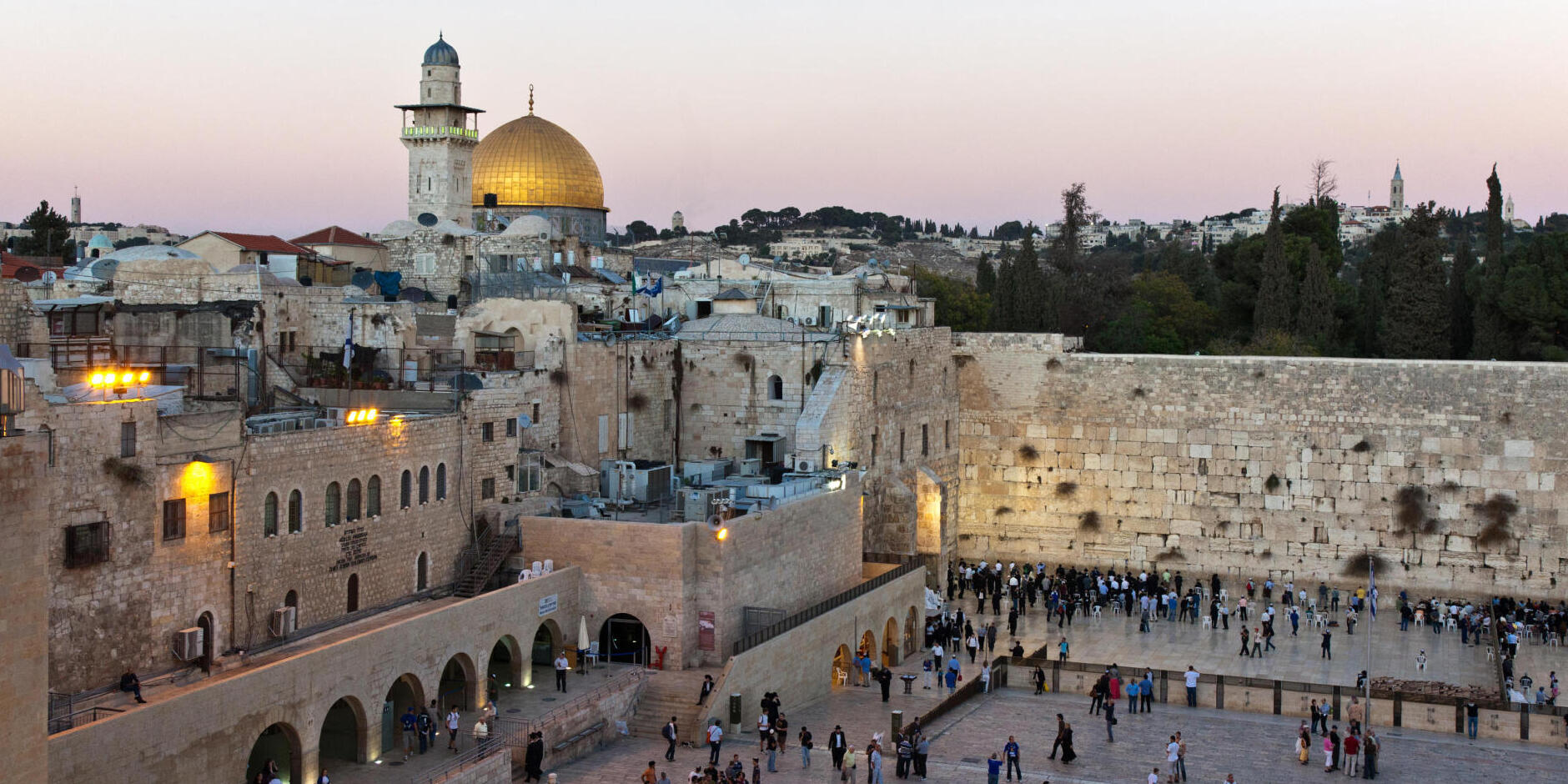

Nestled in the heart of Jerusalem, the Wailing Wall, or Western Wall, stands as one of the most profound symbols of faith and resilience in the world. This ancient limestone wall, known in Hebrew as the Kotel, is not only a sacred site for Jews globally but also a powerful testament to the enduring spirit of a people and their connection to history.
The origins of this revered site trace back over two millennia. Built during the reign of Herod the Great around 20 BCE, the wall was part of a grand renovation of the Second Temple of Jerusalem, which had been initially constructed after the Babylonian Exile. Herod's massive building projects aimed to expand the Temple Mount, creating a monumental place of worship. However, the temple was destroyed by the Romans in 70 CE, leaving only the retaining walls, of which the Western Wall became the most significant.
Architecturally, the Western Wall is a marvel of ancient engineering. The structure is composed of 45 rows of stones, with the lower seven being from the Herodian period. These stones are remarkable for their sheer size and weight, with some blocks weighing several tons. The craftsmanship of these stones, fitted so precisely without mortar, reflects the advanced construction techniques of the time.
The wall's significance extends beyond its physical presence. It serves as a focal point for Jewish prayer and pilgrimage, a tradition that has persisted through the centuries. One of the most touching customs is the insertion of handwritten prayers into the crevices of the wall, a practice that transcends religious boundaries, inviting people of all faiths to share their hopes and supplications.
Jerusalem, a city steeped in history, hosts a vibrant tapestry of cultural traditions. On Fridays, as the sun sets, the atmosphere around the Western Wall transforms. The beginning of Shabbat, the Jewish Sabbath, is marked by the sounds of prayer and song, with families and visitors gathering to welcome the day of rest. The Jerusalem Day festival, commemorating the reunification of Jerusalem in 1967, sees thousands flock to the wall in celebration and remembrance.
Engaging with the local gastronomy offers another layer of cultural immersion. The bustling streets around the Old City are alive with the scents of falafel, hummus, and shawarma. These traditional dishes, rich in flavor, provide a taste of the region's culinary heritage. For a sweet treat, try baklava, a syrupy pastry that perfectly complements the savory spices of Middle Eastern cuisine.
Beyond its historical and cultural significance, the Western Wall holds many lesser-known curiosities. For instance, just beneath the visible portion of the wall lies a network of underground tunnels, revealing more of the original construction and a glimpse into the city's ancient past. These tunnels, accessible through guided tours, offer a hidden narrative of Jerusalem's layered history.
For visitors planning a trip, the best time to experience the Western Wall is during the cooler months from October to April. Arriving early in the morning or late in the afternoon can help avoid the crowds, providing a more contemplative experience. Remember to dress modestly as a sign of respect, and don't miss the opportunity to explore the nearby Davidson Center and Southern Wall Excavations for a broader historical context.
In Jerusalem, where every stone whispers tales of the past, the Western Wall stands as a eternal testament to faith and history. Use the Secret World app to craft a personalized AI itinerary for your visit to this sacred city.


