
← Back

Villa Pisani and its famous Labyrinth

Villa Pisani Museo Nazionale, Villa Pisani Museo Nazionale, Via Doge Pisani, 7, 30039 Stra VE, Italia ★★★★☆ 1,749 views
Depika Bafna
Stra
🏆 AI Trip Planner 2026

Get the free app

Discover the best of Stra with Secret World — the AI trip planner with 1M+ destinations. Get personalized itineraries, hidden gems and local tips. Free on iOS & Android.

🧠 AI Itineraries 🎒 Trip Toolkit 🎮 KnowWhere Game 🎧 Audio Guides 📹 Videos
Download on the App Store Get it on Google Play
Scan to download Scan to download

About Villa Pisani and its famous Labyrinth

Villa Pisani and its famous Labyrinth - Stra | Secret World Trip Planner

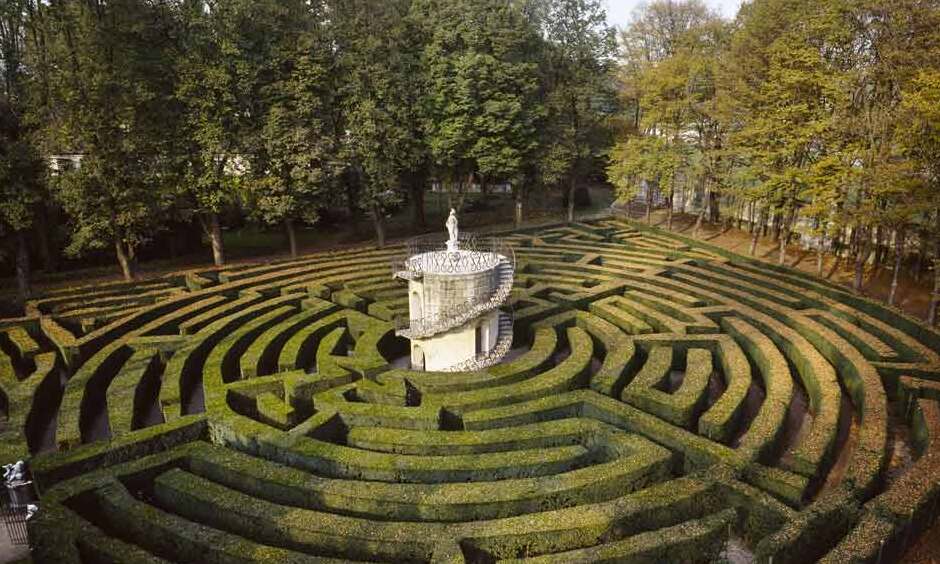
Villa Pisani, also known as the National Villa, is one of the most famous examples of a Venetian villa on the Riviera del Brenta; it is located in Stra, in the province of Venice, and overlooks the Naviglio del Brenta. It is now home to a national museum, which preserves works of art and furnishings from the eighteenth and nineteenth centuries. The villa comprises 168 rooms and covers an area of 15,000 square meters. Since the sixteenth century, the noblest families of Venice chose the banks of the river Brenta to settle their villas there. The park covers 14 hectares. Its design is influenced by the influence of the first decades of the French 18th century, in fact two important literary works have conditioned the character of several gardens. First of all, André Felibien des Avaux, Les plans et le descriptions de de deux maisons de campagne de Pline le Consul, which divulges the reconstruction of a Roman villa with its gardens. Secondly, it is the work of Dezailler D'Argenville, entitled La théorie et la pratique du jardinage, which deals with the canons and ways of composing and creating a garden in the French manner. Villa Pisani is also famous for its labyrinth of boxwood hedges. It was one of the first areas of the park to be completed if already in 1721 there is talk of its central tower. It was the Renaissance revival of classical topiary ars that made possible the success that plant labyrinths had in the Italian garden until the 18th century. In the Venetian 18th century, in the case of Stra, the playful and loving component predominated, although the symbolic aspect cannot be excluded. In the centre there is a turret, surmounted by a statue of Minerva. In the labyrinth there was a game between lady and knight: the lady stood on the central tower with her masked face and the knight had to reach her, once arrived, she revealed her true identity: but it was always a surprise. The labyrinth is a classical philosophy of the Greek past of the Minotaur and Minos: it can be a Christian symbol but also a pagan one: it expresses the unconscious desire to get lost and then find oneself again.

🗺 AI Trip Planner

Plan your visit to Stra

Suggested itinerary near Villa Pisani and its famous Labyrinth

MAJ+
500.000+ travelers worldwide
  1. 🌅
    Morning
    Villa Pisani and its famous Labyrinth
    📍 Stra
  2. ☀️
    Afternoon
    Villa Pisani
    📍 0 km · Stra
  3. 🌆
    Evening
    Rossimoda della Calzatura Museum
    📍 0.4 km · Stra

Buy Unique Travel Experiences

Powered by Viator

See more on Viator.com

Explore nearby · Stra

Frequently Asked Questions

Villa Pisani, also known as the National Villa, is one of the most famous Venetian villas located in Stra in the province of Venice, overlooking the Naviglio del Brenta. This magnificent estate comprises 168 rooms, covers 15,000 square meters, and now functions as a national museum housing artwork and furnishings from the eighteenth and nineteenth centuries.
The famous boxwood hedge labyrinth at Villa Pisani is part of the villa's expansive 14-hectare park and was one of the first areas to be completed, with records mentioning its central tower as early as 1721. The labyrinth features a turret in its center topped with a statue of Minerva and was designed to create a playful aristocratic game where knights would navigate the maze to reach a masked lady on the central tower.
The villa's 14-hectare park was designed under the influence of early 18th-century French garden design, inspired by two important literary works: André Felibien des Avaux's reconstruction of Roman villas and Dezailler D'Argenville's treatise on French garden composition. Since the sixteenth century, Venetian noble families had settled their villas along the Brenta river, making it a prestigious location for aristocratic estates.
The labyrinth featured a romantic game between a lady and a knight where the lady would stand masked on the central tower while the knight attempted to navigate through the boxwood hedges to reach her. Upon arrival, the lady would reveal her true identity, creating a surprise element that blended the playful and romantic components of 18th-century Venetian garden culture with classical philosophy.
Yes, Villa Pisani is now a national museum open to the public, allowing visitors to explore both the impressive 168-room villa and its famous boxwood labyrinth within the 14-hectare park. The labyrinth remains one of the main attractions, offering visitors the opportunity to experience the same maze that entertained Venetian nobility centuries ago.
