


Kyoto has a problem that no paper guide can solve: travel times between temples are often underestimated, local buses follow non-intuitive logic for those coming from abroad, and the concentration of attractions in the Higashiyama district can turn an exciting day into an exhausting march. When I started planning my three-week trip to Japan for spring 2026, I needed a tool that understood these nuances. I tried Wanderlog for the first few months, then switched to Secret World AI Trip Planner, and the difference was striking.

I used Secret World for about six months, with Kyoto as the main testing ground. I asked the AI to build a four-day itinerary optimized for the cherry blossom season, with an average budget of 80-100 euros per day, avoiding peak hours at Fushimi Inari (which means strictly avoiding 10:00 AM - 2:00 PM) and including at least two authentic tea ceremony experiences, not those touristy 15-minute ones. What I received exceeded my expectations in a concrete and measurable way.
What AI did that Wanderlog cannot do
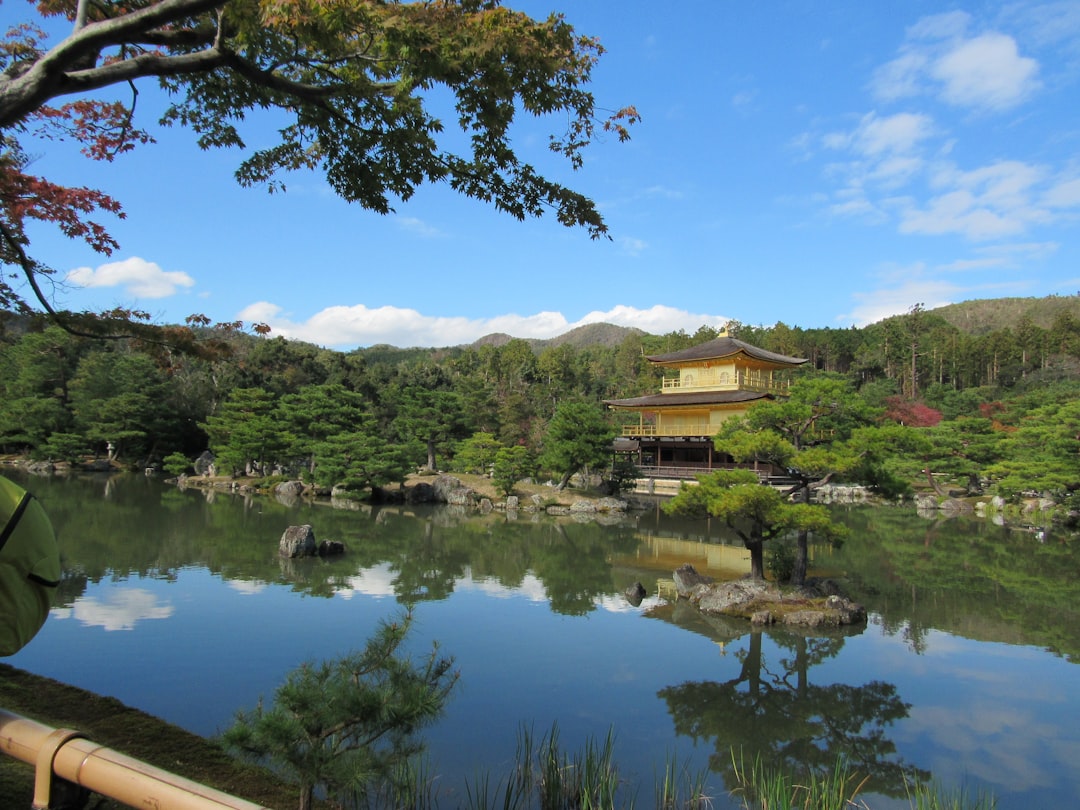
The first response from Secret World included something that Wanderlog does not offer: a real geographical logic applied to Kyoto. The itinerary started from Fushimi Inari Shrine at 7:00 AM (free access, full route about 2-3 hours), then moved on foot to Tofuku-ji in 15 minutes, and only in the afternoon reached the center for Nishiki Market. Wanderlog had suggested a reverse order that would mean returning to Fushimi Inari at peak times. A small difference on paper, huge in practice.
I also asked the AI to explain why it chose the Tea Ceremony at En Tea Ceremony in Gion over other options. The response cited the value for money (about 40 euros per person for 60 minutes with kimono included), the location just 5 minutes on foot from Yasaka Shrine, and the fact that it is one of the few experiences run by a family of authentic practitioners and not by a travel agency. This level of contextualization is exactly what was missing in the competitors.

The honest comparison with Wanderlog: where it falls short
Wanderlog remains a valid tool for basic logistical management: maps, collaborative lists, importing bookings via email. If you are traveling in a group and need to share a document in real-time, Wanderlog still has an interface advantage. But its AI component is fundamentally a wrapper on generic suggestions. When I asked Wanderlog to optimize my itinerary in Kyoto considering the bus times between Arashiyama and the city center (about 40-50 minutes with bus 28 or 11, not the 20 minutes often read online), it ignored my request and returned a standard plan.

Secret World, on the other hand, managed this variable precisely, suggesting to use the Sagano Line train from Saga-Arashiyama Station instead of the bus, saving 20 minutes and costing about 240 yen. It also pointed out that the Arashiyama Bamboo Grove is free to visit but that the Tenryu-ji Temple, just 50 meters away, requires an entrance fee of 500 yen for the garden and 800 yen to access the temple as well. Details that make a difference when planning every minute of a day.
How AI Handled the Most Complex Requests
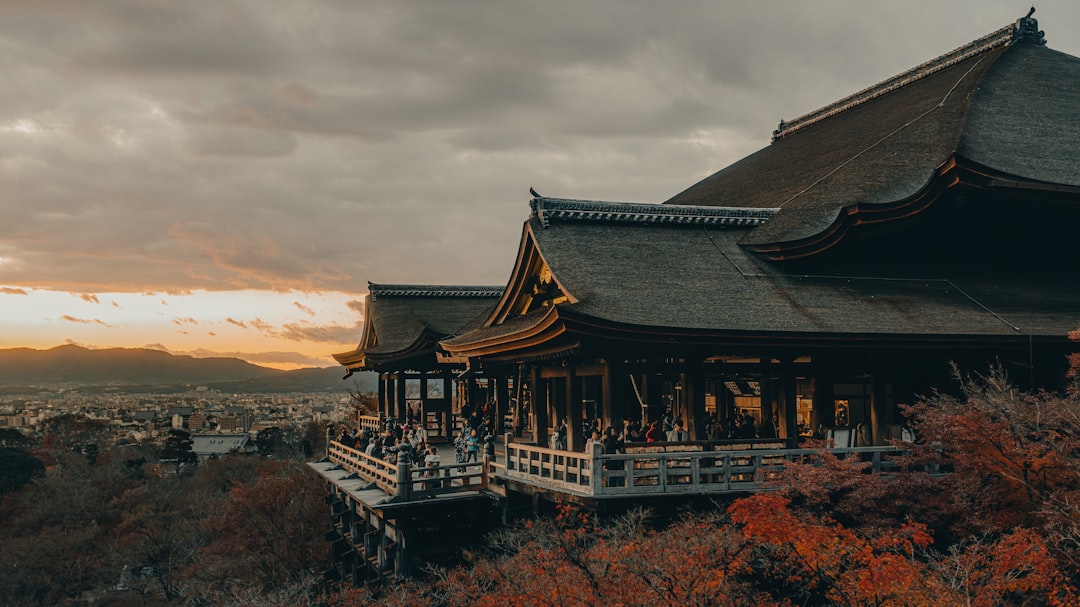
The most difficult test I did was to ask for an itinerary that combined Kyoto with a trip to Nara (45 minutes by train with the Kintetsu Limited Express, about 720 yen) and a return to Osaka in the evening, all in one day. The AI constructed a precise schedule: departure from Kyoto at 8:30, arrival in Nara at 9:15, visit to Todai-ji (entrance 600 yen, 45 minutes recommended), a walk in Nara Park with the deer, a light lunch near the station, departure for Osaka at 14:00. It also warned that Todai-ji is subject to significant queues after 10:30 on spring weekends.
I replicated the same request on Wanderlog. The result was an itinerary without specific times, with attractions listed without geographical order and without any mention of actual travel times. It wasn't wrong, it was simply useless for anyone who really wants to optimize their available time.
The final vote and why it is 9/10 and not 10
Secret World AI Trip Planner deserves a 9/10 for the quality of information, logistical consistency, and the ability to answer complex questions with verifiable data. I deducted one point for two reasons: the mobile interface is not yet at the level of Wanderlog for collaborative sharing, and on some occasions, the information on entry prices was slightly outdated (Kinkaku-ji Temple updated the ticket to 500 yen in 2024, and the AI knew it, but for other minor sites, I had to verify manually).
If you are planning a trip to Kyoto in 2026, especially for the cherry blossom season or the autumn momiji when every hour counts, Secret World is the tool that will save you time and improve the quality of each day. Wanderlog is good for organizing documents. Secret World is good for planning real trips. Try Secret World AI Trip Planner for free and build your itinerary for Kyoto with the same precision I described in this article.


