
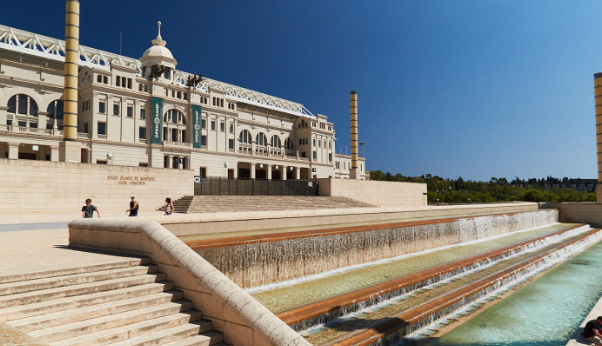

Perched on the slopes of Montjuïc, Estadi Olímpic Lluís Companys in Barcelona is more than just a sports venue; it is a testament to the city's rich history and resilience. Originally conceived for the People's Olympiad in 1936, an event organized as a protest against the Nazi-hosted Berlin Olympics, its purpose was never fulfilled due to the outbreak of the Spanish Civil War. Instead, it became a symbol of thwarted dreams and postponed futures until it was reborn for the 1992 Summer Olympics, a pivotal moment that showcased Barcelona on the global stage.
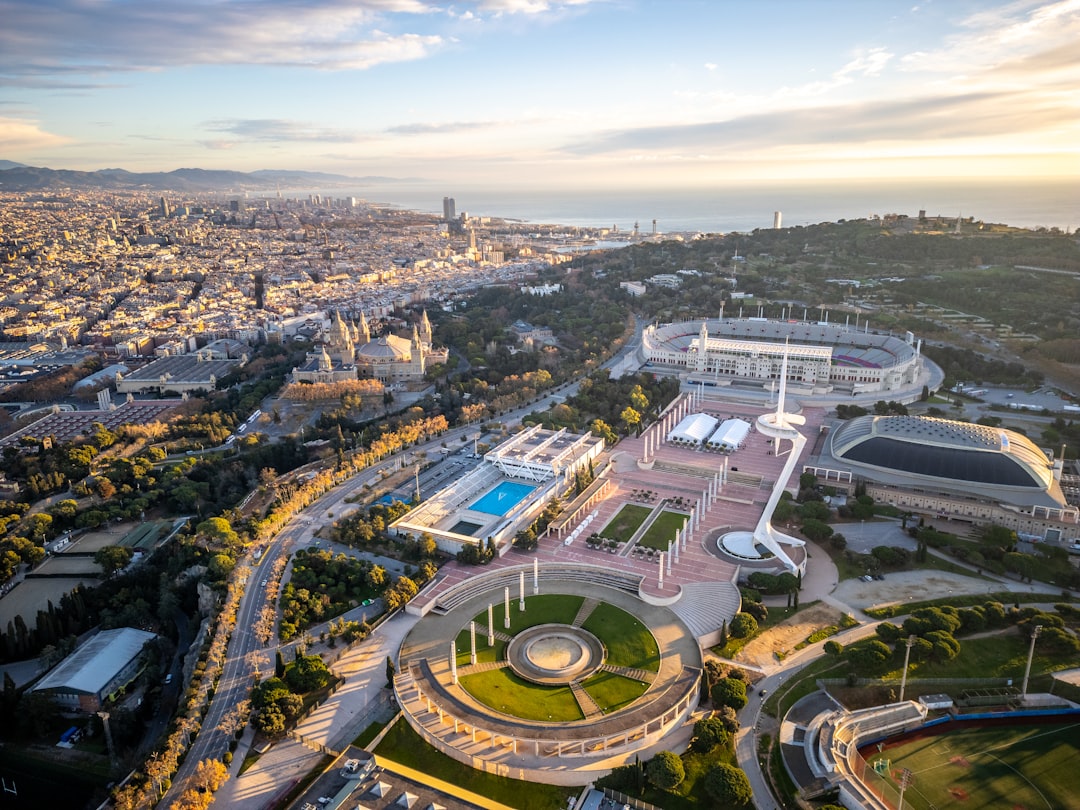
The stadium's architectural story is one of transformation and preservation. Designed by architect Pere Domènech i Roura, the original structure was a paragon of early 20th-century design, characterized by its grandiose neoclassical facade that still endures today. When the city prepared to host the 1992 Olympics, British architect Norman Foster spearheaded a comprehensive renovation, seamlessly blending modern functionality with historical aesthetics. The result is a harmonious balance between past and present, where the original facade stands proudly against a backdrop of contemporary enhancements, offering a tangible link to its storied past.
Barcelona's vibrant culture infuses every corner of the stadium, echoing the city's tradition of embracing both the old and new. Montjuïc itself is a hub of cultural activity, hosting events like the Mercè Festival, where locals celebrate with fireworks, music, and traditional Catalan dances such as the sardana. This festival, among others, underscores the city's deep-seated traditions and communal spirit, often spilling into the stadium premises, adding layers to its cultural significance.
While exploring the area, visitors can indulge in the rich flavors of Catalonia's renowned gastronomy. Savoring dishes like calçots, a type of green onion grilled to perfection and served with romesco sauce, or esqueixada, a refreshing codfish salad, offers a taste of the region's culinary heritage. Pair these with a glass of locally produced Cava, a sparkling wine that rivals the best of Champagne, for an authentic Catalonian dining experience.
Beyond its historical and cultural allure, the Estadi Olímpic is also shrouded in fascinating curiosities. Many are unaware that the stadium's grounds were once part of a vast military fortress. Montjuïc Castle, located nearby, played crucial roles throughout Barcelona's history, including during the War of the Spanish Succession and the Napoleonic Wars. This juxtaposition of military and athletic history provides an intriguing backdrop, often overlooked by those visiting solely for its Olympic legacy.
For those planning a visit, the best time to experience the Estadi Olímpic is during the spring or autumn months. The mild weather during these seasons enhances the pleasure of exploring Montjuïc's expansive parks and gardens, such as the Jardins de Joan Maragall. It's wise to dedicate a full day to this area, allowing time to not only explore the stadium but also to wander through nearby attractions like the Museu Nacional d'Art de Catalunya (MNAC) and the Fundació Joan Miró, which house breathtaking art collections.
Visitors should also take note of the stadium's role during the 1992 Olympics, as it hosted the opening and closing ceremonies, etching unforgettable moments into Olympic history. Look for the Olympic torch, still standing as a beacon of those days, and picture the emotional scenes that unfolded beneath it.
In every arch and corridor, the Estadi Olímpic whispers tales of ambition, resilience, and cultural pride. It stands as a monument not only to the athletic prowess it has witnessed but also to the enduring spirit of Barcelona itself—a city constantly evolving yet grounded in its rich history. Whether you're a history buff, an architecture enthusiast, or a curious traveler, the Estadi Olímpic offers a multifaceted experience, inviting you to uncover its layers of history and culture.


