
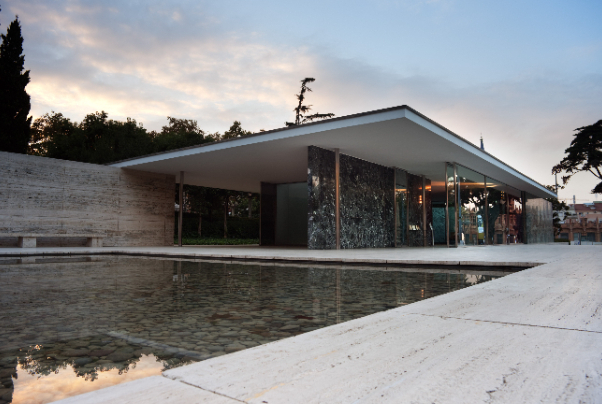

Nestled in the lush surroundings of Montjuïc, the Pavelló Mies van der Rohe stands as a testament to modernist architectural brilliance. Designed by the renowned architect Ludwig Mies van der Rohe, this pavilion was constructed as Germany's contribution to the 1929 International Exposition held in Barcelona. While the pavilion might seem out of place amid the grandiose monumental architecture of the area, its understated elegance and minimalist design have made it a celebrated landmark.
The pavilion’s conception was born from a desire to showcase modern design principles, emphasizing simplicity and functionality. Mies van der Rohe’s vision was to create a space that blurred the lines between indoor and outdoor environments, a hallmark of his architectural philosophy. The building's fluidity is evident in its open floor plan and seamless integration with its surroundings. After the exposition, the pavilion was dismantled, only to be rebuilt in 1986, preserving the original design and allowing new generations to appreciate its beauty.
The architectural style of the Pavelló Mies van der Rohe is often described as International Style, characterized by clean lines, open spaces, and a lack of ornamentation. The use of modern materials such as travertine, onix, and glass creates a striking visual impact. Upon entering, visitors are greeted by the serene reflection of the “Mattino” sculpture by Georg Kolbe, which gracefully mirrors in the tranquil waters of the adjacent pool. This sculpture, a representation of purity and balance, complements the pavilion's ethos and invites contemplation.
The cultural significance of the pavilion extends beyond its physical structure. It embodies the spirit of the 1929 Expo, a pivotal moment in Barcelona's history that marked the city's evolution into a modern metropolis. The exposition was a showcase of art, culture, and technological advancements, and the pavilion played a crucial role in introducing modernist architecture to Spain. Today, it serves as a venue for various cultural events, workshops, and exhibitions, continuing to foster creativity and innovation.
When visiting the Pavelló Mies van der Rohe, one cannot overlook the influence of local culture and traditions. The pavilion is located near the Magic Fountain of Montjuïc, which hosts mesmerizing light and music shows, drawing crowds from all over the city. Additionally, the nearby Fundació Joan Miró and Museu Nacional d'Art de Catalunya provide a rich context for understanding Catalan art and culture, making it a perfect day out for art enthusiasts.
Barcelona's gastronomy is another essential aspect of exploring the area around the pavilion. Just a short walk away, you can find local eateries serving traditional Catalan dishes. Indulge in "pa amb tomàquet," a simple yet flavorful bread topped with ripe tomatoes and drizzled with olive oil, or try "escalivada," a dish of smoky roasted vegetables. Pair these with a glass of cava, the sparkling wine produced in the region, to complete your culinary experience.
For those eager to uncover lesser-known curiosities, the Pavelló Mies van der Rohe has its share of unique stories. One intriguing fact is that the pavilion was originally designed to be a temporary structure, yet its influence on modern architecture has made it a permanent fixture in the architectural canon. Additionally, Mies van der Rohe famously stated, "Less is more," which perfectly encapsulates the essence of this design. Many visitors may overlook the carefully curated garden that surrounds the pavilion, which is an extension of the architectural experience, designed to enhance the tranquility of the space.
The best time to visit the Pavelló Mies van der Rohe is during the spring and early autumn months when the weather is pleasantly warm, allowing for leisurely strolls around the gardens. To make the most of your visit, consider arriving early in the morning or later in the afternoon to avoid the crowds and enjoy the pavilion in a more intimate setting. Don’t forget to take your time to appreciate the subtle details, from the textures of the materials to the reflections in the water.
In conclusion, the Pavelló Mies van der Rohe is not just an architectural marvel; it is a cultural landmark that encapsulates the spirit of modernism while celebrating Barcelona’s rich artistic heritage. Its serene beauty and historical significance offer visitors a unique glimpse into the evolution of architecture and design. For a personalized exploration of this stunning city, consider using the Secret World app to plan your itinerary and discover more hidden gems in Barcelona.


