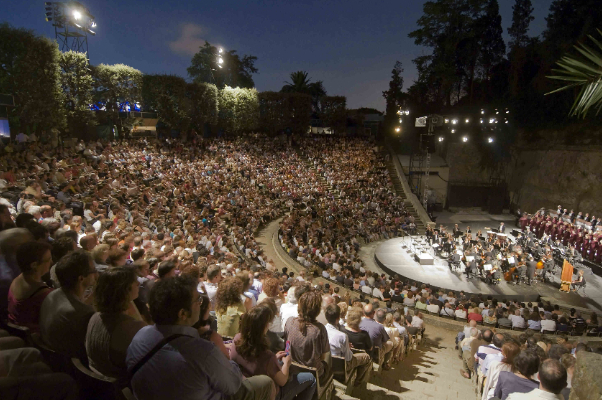
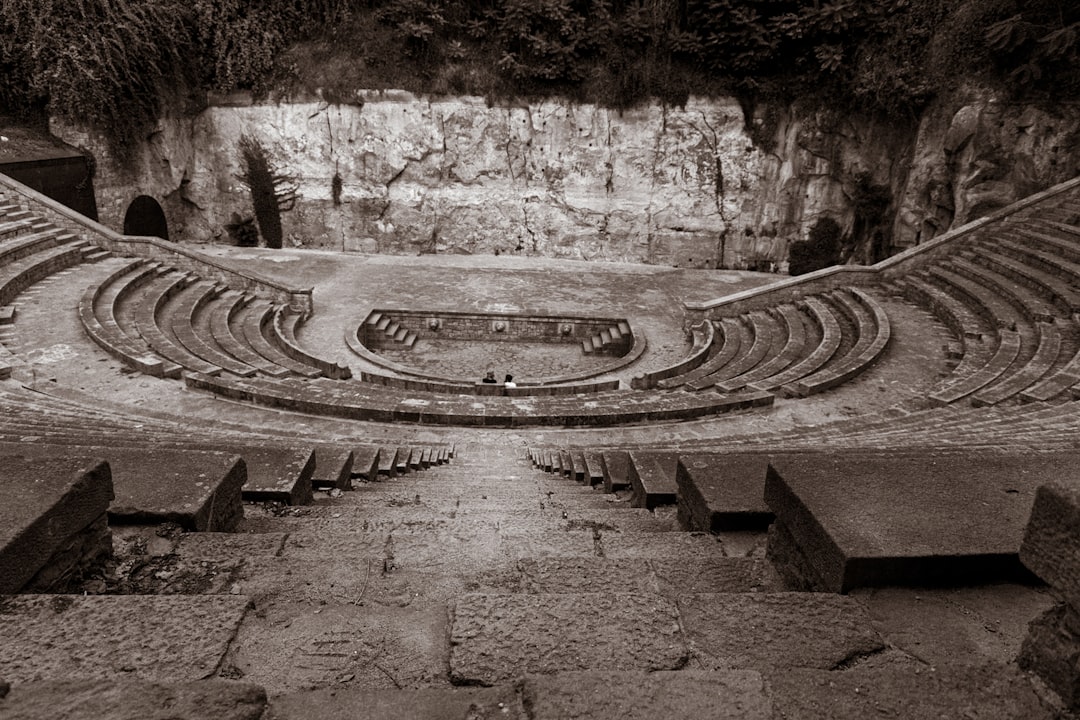

Nestled on the Montjuïc mountain and overlooking the vibrant city of Barcelona, the Teatre Grec offers a captivating blend of history, culture, and breathtaking views. This open-air amphitheater, with its natural backdrop of lush gardens, invites visitors to step into a world where ancient traditions meet modern artistic expression.
### History and Origins
The roots of the Teatre Grec can be traced back to the early 20th century, but its inspiration lies in the ancient Greek theaters that once dotted the Mediterranean landscape. Designed by the architect Walter Gropius and constructed in 1929 for the International Exhibition, the theater was part of a grand vision to celebrate the cultural heritage of the region. Over the years, it has become a symbol of Barcelona's commitment to the arts, hosting notable performances and significant cultural events.
The amphitheater was specifically created to evoke the atmosphere of classical antiquity, with its tiered seating that accommodates approximately 1,400 spectators. The original design was strongly influenced by the ancient Theatre of Epidaurus, renowned for its exceptional acoustics and stunning setting. The venue has since undergone renovations yet retains its historical charm, making it a cherished landmark.
### Art and Architecture
The architectural style of the Teatre Grec is a harmonious blend of neoclassical and modernist influences, seamlessly integrated into the natural landscape of Montjuïc. Its stone walls, carved seating, and the surrounding gardens create an enchanting environment that enhances the overall theatrical experience. The amphitheater is framed by the picturesque backdrop of the city and the Mediterranean Sea, providing an unparalleled setting for performances.
Visitors can admire the artistic significance of the theater, not just in its architecture but also in the performances it hosts. The Festival del Grec, held every summer since 1976, showcases a diverse range of artistic expressions, including dance, theater, and music. This festival not only honors classical works but also promotes contemporary artists, making it a cornerstone of Barcelona's cultural identity.
### Local Culture and Traditions
The Teatre Grec is deeply entrenched in the cultural fabric of Barcelona. The annual Festival del Grec attracts locals and tourists alike, transforming the amphitheater into a vibrant hub of creativity. The festival features renowned national and international artists, with performances often reflecting themes pertinent to modern society, thus bridging the gap between the ancient and the contemporary.
Beyond the festival, the surrounding gardens provide a serene space for families and couples to enjoy leisurely walks, picnics, or simply soak in the stunning views of the city. This space has become a canvas for various local customs, including open-air concerts and seasonal celebrations that foster community engagement and cultural exchange.
### Gastronomy
A visit to the Teatre Grec is not complete without indulging in the local cuisine. The amphitheater opens an outdoor restaurant during the summer festival, which offers a delightful menu inspired by traditional Catalan dishes. Here, you can savor paella, a rice dish loaded with seafood or meat, or escalivada, a smoky vegetable dish typically made with eggplant and peppers.
Don’t miss the chance to try crema catalana, a rich custard dessert with a caramelized sugar top, often compared to crème brûlée but with a unique twist of cinnamon and lemon. Pair your meal with a refreshing glass of cava, a sparkling wine that hails from the nearby Penedès region, making for an authentic Catalan dining experience.
### Lesser-Known Curiosities
While the Teatre Grec is widely recognized for its performances, few know that it is also home to unique flora and fauna. The gardens around the theater feature a variety of plant species, many of which were selected for their historical significance in Mediterranean culture. Additionally, the site offers a hidden viewpoint where visitors can enjoy panoramic views of Barcelona, often overlooked by the bustling crowd.
Another intriguing tidbit is that the amphitheater has hosted diverse performances, from Shakespearean plays to modern musical concerts, making it a versatile venue. It has also served as a backdrop for various films and documentaries, showcasing its aesthetic appeal and cultural significance.
### Practical Visitor Information
The best time to visit the Teatre Grec is during the summer months, particularly from June to August, when the Festival del Grec takes place. Tickets for performances can be purchased in advance, as they tend to sell out quickly. Arriving early allows you to explore the beautiful gardens and find the perfect spot to enjoy the sunset before the show.
For those planning a family outing, the gardens provide ample space for children to roam, while couples can find romantic nooks to unwind. Don’t forget to bring a camera; the amphitheater’s architecture and the panoramic views of Barcelona make for stunning photographs.
As you plan your visit, consider using the Secret World app to create a personalized itinerary that includes all the must-see spots in Barcelona.
