
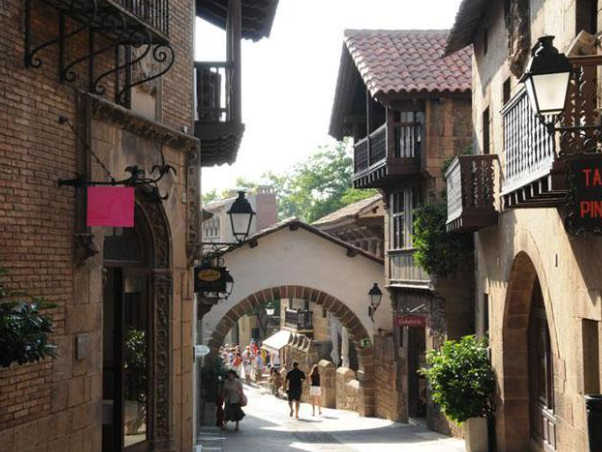

Nestled on the slopes of Montjuïc in Barcelona, the Poble Espanyol is a captivating open-air museum that offers a rich tapestry of Spanish culture, architecture, and history. Conceived for the 1929 Barcelona International Exposition, this unique village was designed to showcase the diverse architectural styles and cultural traditions of Spain. Its creation was a labor of love by architects Francesc Folguera and Ramon Reventós, along with art critic Miquel Utrillo and painter Xavier Nogués, who meticulously traveled across Spain to gather inspiration and reproduce the essence of the country's regions.
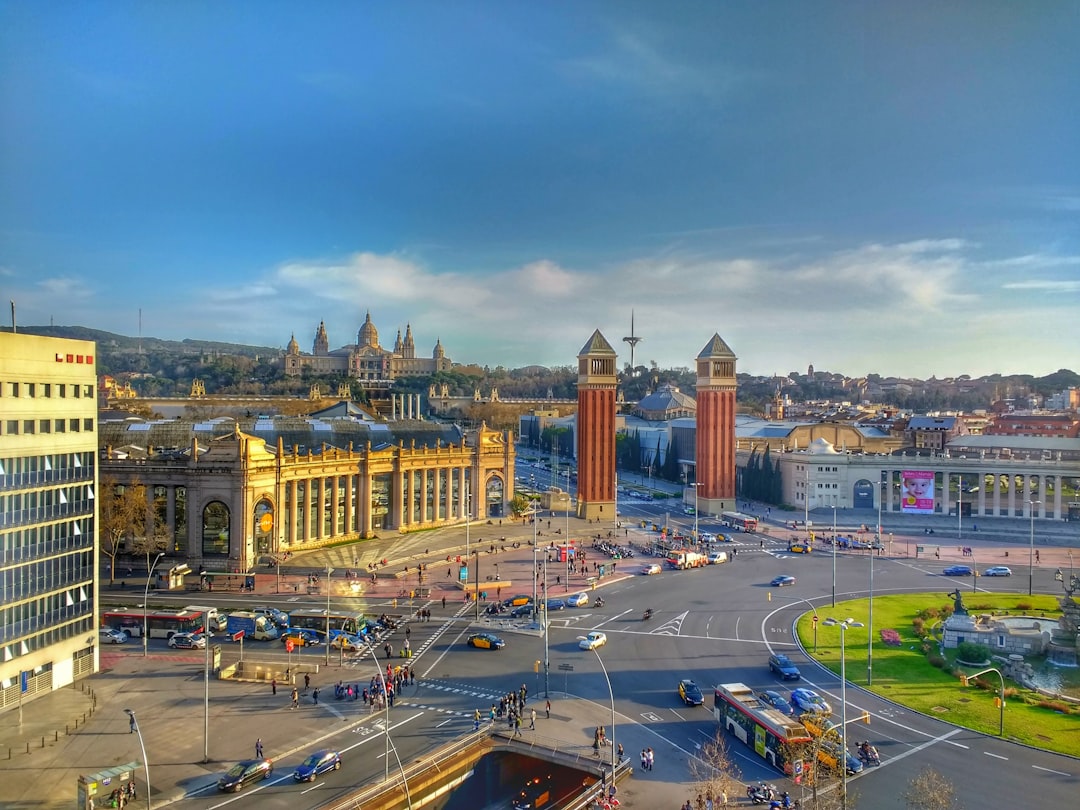
The history of Poble Espanyol is intertwined with the architectural renaissance of early 20th-century Spain. Built in just thirteen months, the site was initially intended to be dismantled after the Exposition. However, its popularity and the cultural value it brought to the city ensured its preservation. Today, it stands as a testament to Spain's rich heritage, with over 117 buildings representing various regions, from the whitewashed walls of an Andalusian village to the Romanesque towers of Castile.
The art and architecture of Poble Espanyol are nothing short of a visual feast. The village ingeniously combines different architectural styles, creating a seamless blend of Spain's eclectic architectural palette. The Plaza Mayor, inspired by Castilian town squares, serves as the heart of Poble Espanyol, often bustling with activity. Notable structures include the Monastery of Sant Miquel, a faithful reproduction of a Catalan Romanesque monastery, and the Utebo Tower, a stunning example of Aragonese Mudejar architecture. The site also houses the Fran Daurel Museum, which boasts a remarkable collection of over 300 contemporary artworks, including pieces by renowned artists like Pablo Picasso, Salvador Dalí, and Joan Miró.
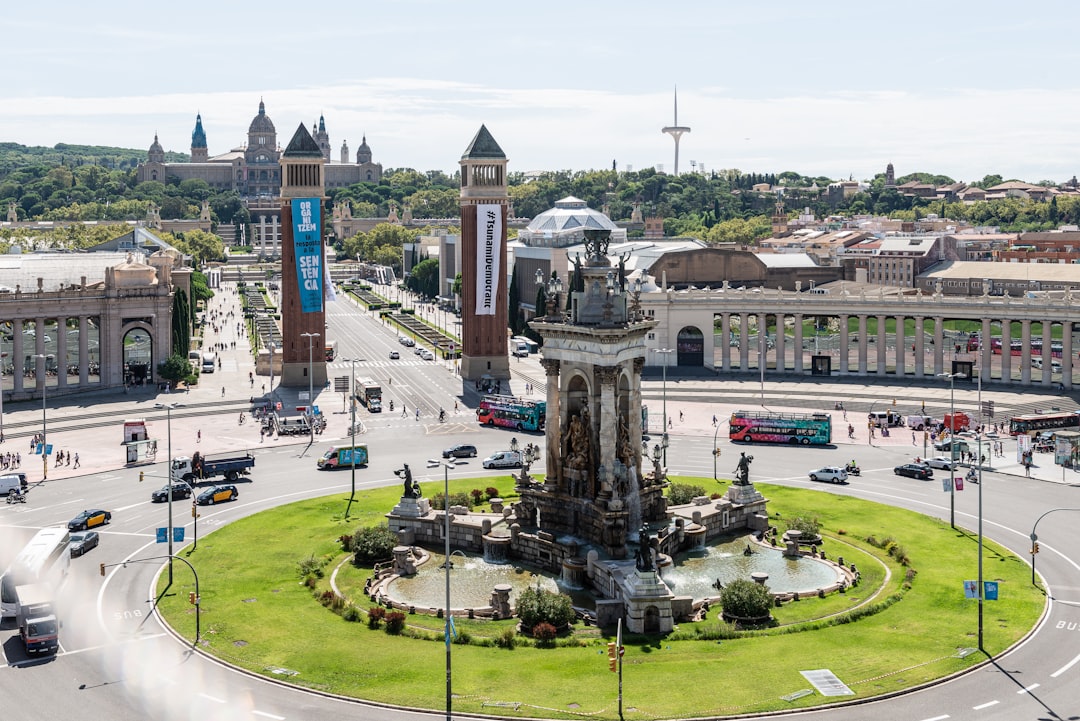
Cultural vibrancy permeates every corner of Poble Espanyol, with local traditions and customs brought to life through various festivals and events. Throughout the year, visitors can experience traditional flamenco performances, folk music concerts, and craft workshops that reflect the region's rich cultural tapestry. The village is particularly lively during festivals like the Fiesta Mayor and the Noche Blanca, when the streets fill with music, dancing, and colorful parades, offering a glimpse into the heart of Spanish communal celebrations.
A visit to Poble Espanyol is incomplete without indulging in its gastronomic delights. The village's taverns and restaurants serve up a mouthwatering array of Spanish cuisine. From Catalan specialties like escalivada and crema catalana to quintessential Spanish dishes such as paella and jamón ibérico, the culinary offerings are as diverse as the architecture. Visitors can also enjoy a glass of cava, a sparkling wine native to Catalonia, as they soak in the ambiance of this historical enclave.
Beyond its well-trodden paths lie lesser-known curiosities that add depth to Poble Espanyol's allure. The site's construction was a feat of early 20th-century engineering, with each building painstakingly crafted to mirror its original inspiration. The village also hosts the Fiesta de los Enamorados, a lesser-known celebration of love that coincides with Valentine’s Day, offering an intimate and romantic experience for those seeking something different. Additionally, Poble Espanyol is home to a thriving artisan community, where glassblowers, potters, and jewelers practice their crafts, providing visitors with a chance to witness traditional craftsmanship firsthand.
For those planning a visit, practical information is key to making the most of the experience. Poble Espanyol is open year-round, but the best time to visit is during the spring and fall when the weather is mild, and the crowds are smaller. To fully appreciate the village, allocate at least half a day to explore its myriad attractions. A good tip is to check the event calendar beforehand—attending a festival or live performance can significantly enhance the visit. Be sure to wander off the main paths and explore the quieter corners where hidden gems await discovery.
Poble Espanyol is more than just a collection of buildings; it is a vibrant showcase of Spanish culture that invites visitors to step back in time and journey through the diverse regions of Spain. Whether you're an architecture enthusiast, a history buff, or someone simply seeking a unique cultural experience, Poble Espanyol offers a rich and immersive journey into the heart of Spanish heritage.


