
← Back

Forbidden City

4 Jing Shan Qian Jie, Dongcheng Qu, Beijing Shi, Cina ★★★★☆ 525 views
Lara Kipling
Pechino
🏆 AI Trip Planner 2026

Get the free app

Discover the best of Pechino with Secret World — the AI trip planner with 1M+ destinations. Get personalized itineraries, hidden gems and local tips. Free on iOS & Android.

🧠 AI Itineraries 🎒 Trip Toolkit 🎮 KnowWhere Game 🎧 Audio Guides 📹 Videos
Scan to download iOS / Android
Scan for AppGallery Huawei users

About Forbidden City

Forbidden City - Pechino | Secret World Trip Planner

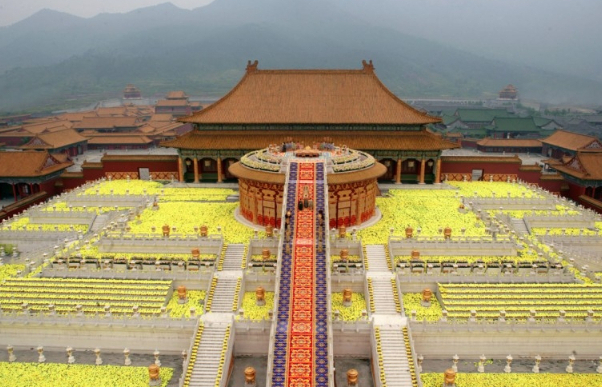
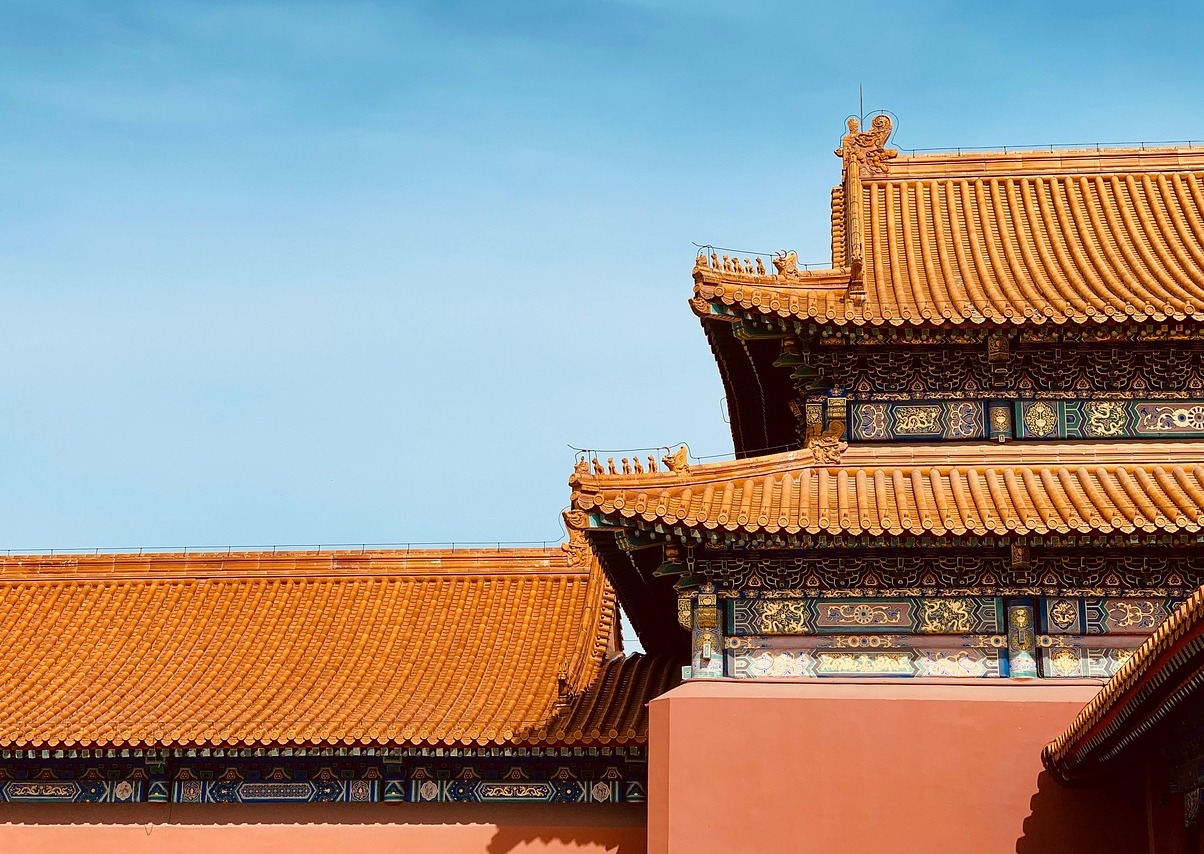
The Forbidden City, a symbol of Beijing, is the largest and best-preserved imperial palace in all of China. Built between 1406 and 1420 during the Ming Dynasty (1368 - 1644), the Forbidden City occupies the exact center of Beijing, capital of China. Its location is not accidental; in fact, the palace stands within the ancient Imperial City, or a walled district that housed the seats of power during the Yuan Dynasty (1279 - 1368). This location was also considered fausta from a geomantic point of view.
Forbidden City - Pechino | Secret World Trip Planner

In order for it to respect the concepts of feng shui and to increase the defense of the palace, a moat was dug all around the imperial residence, and the earth from the excavation was used to build an artificial hill, Jingshan. The hill, which is still the highest point in Beijing's Old City, also had the function of sheltering the Forbidden City from the wind. Construction of the Forbidden City began in 1406, the fourth year of the reign of Emperor Yongle of the Ming Dynasty, and ended in 1420. The palace was used as the center of Chinese political power until 1912, the year of the abdication of the last emperor, Pu Yi (1906 - 1967), who continued to reside there until 1924. In total, it housed 24 emperors of the Ming (1368 - 1644) and Qing (1644 -1911) dynasties.

The structure of the palace complex is inspired by that of the Forbidden City in Nanjing, used as an imperial residence by the Ming emperors before the capital moved to Beijing. palace is also a reproduction of the Purple Palace, home, according to tradition, of the God of Heaven. In ancient times, in fact, the emperor was believed to be the son of Heaven, and this is also why access to the imperial palace was forbidden to ordinary people.
Forbidden City - Pechino | Secret World Trip Planner

In 1961, the Forbidden City was listed as one of China's most important historical monuments and was placed under special protection by the Chinese central government.

In 1987 it was named a UNESCO World Heritage Site. It has been recognized as one of the five most important palaces in the world (the other four are the Palace of Versailles in France, Buckingham Palace in the United Kingdom, the White House in the United States, and the Kremlin in Russia).

🗺 AI Trip Planner

Plan your visit to Pechino

Suggested itinerary near Forbidden City

MAJ+
500.000+ travelers worldwide
  1. 🌅
    Morning
    Forbidden City
    📍 Pechino
  2. ☀️
    Afternoon
    The Forbidden City
    📍 0 km · Pechino
  3. 🌆
    Evening
    La Piazza di Tian An Men
    📍 1.5 km · Pechino

Buy Unique Travel Experiences

Powered by Viator

See more on Viator.com

Explore nearby · Pechino

Frequently Asked Questions

The palace was called 'forbidden' because access to the imperial residence was strictly prohibited to ordinary people. This restriction was based on the ancient belief that the emperor was the son of Heaven, making the palace a sacred space reserved only for the imperial family and authorized court members.
Construction of the Forbidden City began in 1406 during the fourth year of Emperor Yongle's reign and was completed in 1420, taking approximately 14 years to finish. It served as the center of Chinese political power for nearly 500 years until the abdication of the last emperor in 1912.
A total of 24 emperors from the Ming Dynasty (1368-1644) and Qing Dynasty (1644-1911) resided in the Forbidden City throughout its history. The last emperor, Pu Yi, continued to live there until 1924, even after the imperial system's official end in 1912.
A moat was dug around the imperial residence to increase the palace's defense and respect feng shui principles, with the excavated earth used to build the artificial hill known as Jingshan. This hill, still the highest point in Beijing's Old City today, served the dual purpose of sheltering the Forbidden City from harsh winds while enhancing its geomantic positioning.
The Forbidden City was designated as one of China's most important historical monuments in 1961 and placed under special protection by the Chinese central government. In 1987, it was named a UNESCO World Heritage Site and recognized as one of the five most important palaces in the world.
