Nestled near the sacred Temple Mount in Gerusalemme, the Lavigerie Garden offers an enchanting blend of history, spirituality, and tranquility. This charming courtyard garden adjoins the Church of St. Anne, one of the best-preserved examples of Crusader architecture in the city. Built in the early half of the 12th century, the Romanesque structure is believed to occupy the site of the Virgin Mary’s childhood home, making it a place of profound significance for both pilgrims and history enthusiasts alike.
### A Tapestry of History The origins of Lavigerie Garden and the Church of St. Anne are steeped in legend and historical significance. The church was constructed during the Crusades, a period marked by religious fervor and conflict, and it has stood the test of time through centuries of upheaval. Historically, it is thought to be built over the remnants of a Byzantine church, which adds layers to its rich narrative. The site is often associated with Saint Anne, the mother of the Virgin Mary, and is a focal point for Christian pilgrims who come to honor her legacy.
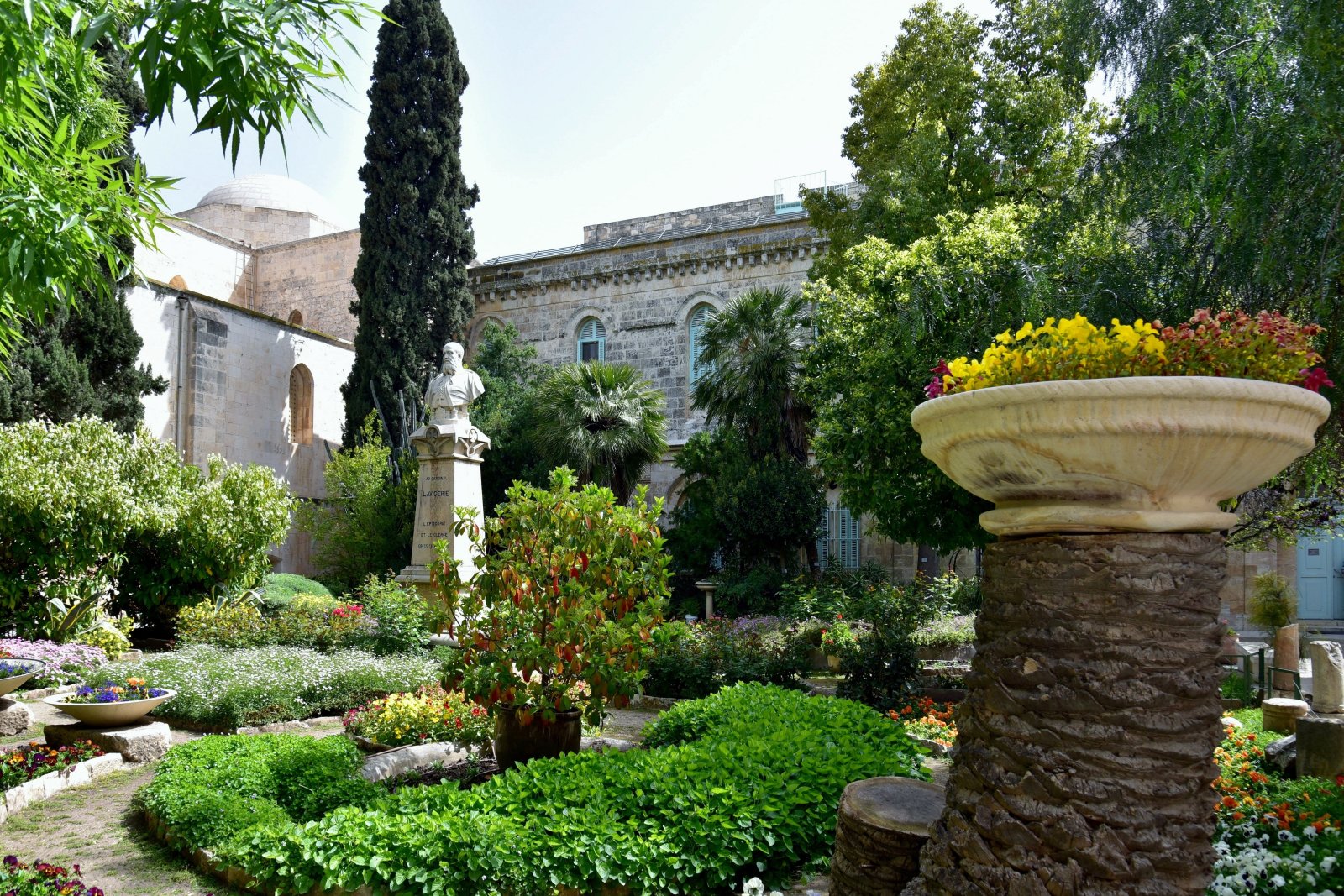
In 1856, the French architect and archaeologist M. de Vogüé discovered the foundations believed to belong to the home of the Virgin Mary, further validating the site's religious importance. The church was later restored and enhanced by Cardinal Lavigerie, after whom the garden is named. This restoration has helped maintain the church’s captivating beauty, attracting visitors from around the globe seeking a glimpse into its storied past.
### Art and Architectural Marvel The Church of St. Anne is a masterpiece of Romanesque architecture, characterized by its sturdy stone walls, rounded arches, and graceful proportions. Its impressive façade features intricate carvings that depict biblical scenes, drawing the eye of every visitor. The grand interior houses two magnificent crypts, where the acoustics are noted for their extraordinary resonance, making it a popular venue for choral performances and religious ceremonies.
Among the notable artworks in the church is a striking mosaic that portrays the life of the Virgin Mary, a testament to both artistic skill and religious devotion. The garden itself complements the architectural grandeur of the church, offering a serene environment adorned with lush greenery and vibrant flowers, creating a perfect backdrop for quiet reflection or prayer.
### Cultural Significance and Local Traditions Lavigerie Garden not only serves as a historical and architectural site but also plays an integral role in the local culture of Gerusalemme. The garden is a favored gathering spot for locals and tourists alike, hosting various cultural events and festivals throughout the year. Feast Days dedicated to Saint Anne see processions and gatherings, where the community comes together to celebrate their heritage and faith.
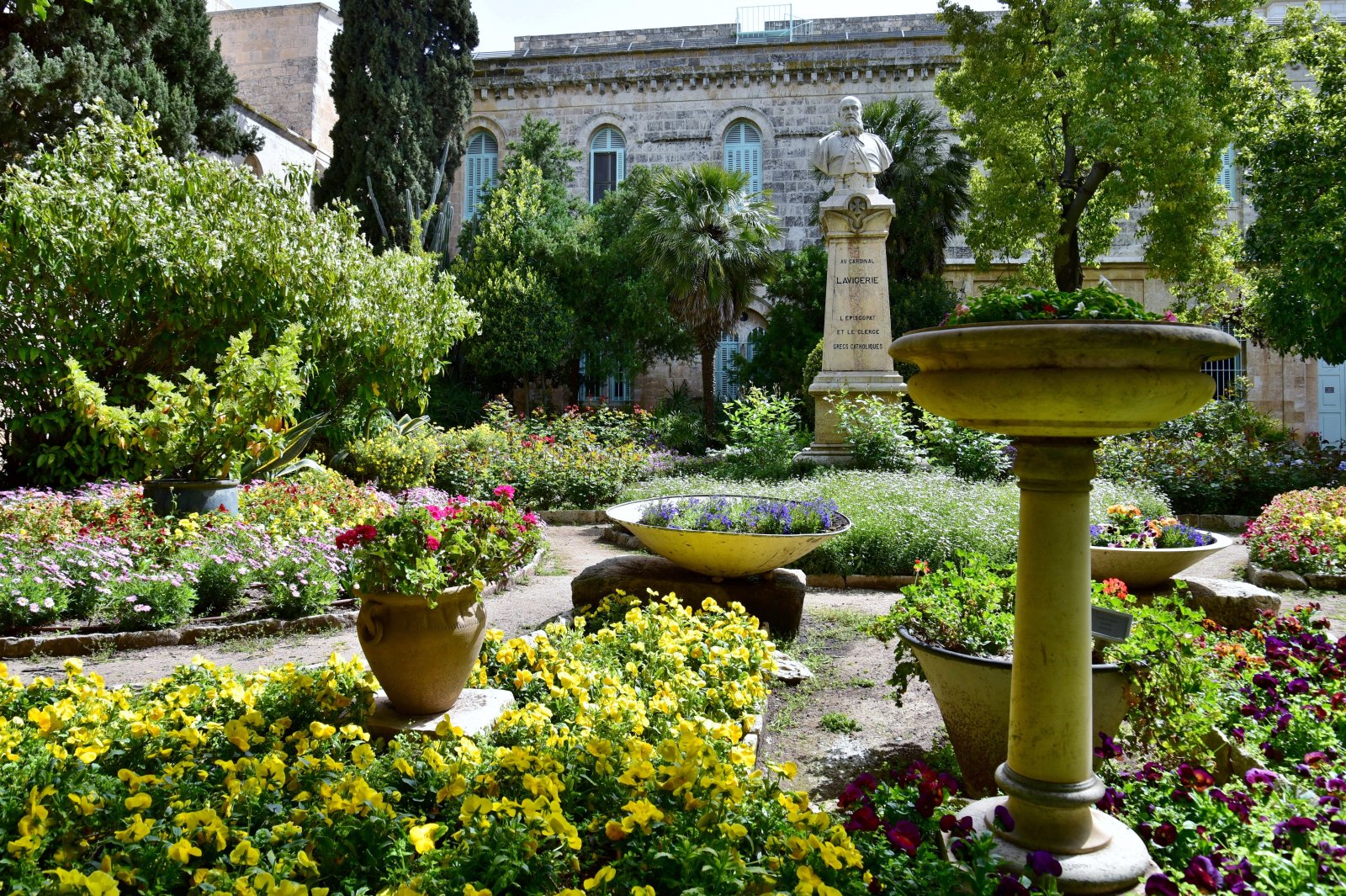
Pilgrimages to the site are common, particularly during Marian feast days, where visitors engage in prayer and reflection, connecting deeply with the spiritual significance of the location. The garden also serves as a peaceful retreat amidst the bustling city, where one can often find locals enjoying picnics or children playing among the flowers.
### Gastronomy: Tastes of the Region A visit to Lavigerie Garden is not complete without indulging in the local gastronomy that Gerusalemme offers. The area is renowned for its Middle Eastern cuisine, featuring dishes such as hummus, falafel, and shakshuka. Nearby eateries serve fresh pita bread and fragrant olive oil, providing an authentic taste of the region.
For a sweet treat, don’t miss trying baklava, a delectable pastry made of layers of filo dough, filled with nuts and honey. Pair it with a cup of Arabic coffee, rich and aromatic, to complete your culinary experience while taking in the tranquil surroundings of the garden.
### Lesser-Known Curiosities While the Lavigerie Garden may be a popular destination, there are hidden gems that many visitors overlook. One such curiosity is the ancient stone believed to be part of the original structure of the Byzantine church, subtly integrated into the garden’s landscaping. Additionally, look for the fountain that adds a soft gurgling sound to the atmosphere, often missed by those too focused on the church’s grandeur.
Furthermore, the acoustics of the church are so remarkable that they have been utilized for recordings by various artists, capturing the ethereal sounds that resonate within its walls. These unique aspects enrich the visitor experience and highlight the intricate connection between history, art, and spirituality.
### Practical Visitor Information The best time to visit Lavigerie Garden is during the spring and autumn months when the weather is mild, allowing for leisurely strolls through the garden and exploration of the church’s interior. It’s advisable to arrive early in the morning to enjoy the tranquility before the crowds gather.
When visiting, take time to observe the intricate details of the church’s architecture and the flora within the garden. Don’t forget your camera to capture the stunning interplay between the historic structure and the vibrant greenery. Lastly, remember to engage with local guides, who can provide insightful stories and context to enrich your understanding of this sacred site.
In a city brimming with history, the Lavigerie Garden stands out as a serene oasis that bridges the ancient and the modern, inviting visitors to reflect and connect with its rich legacy. For a personalized experience, consider using the Secret World app to plan your itinerary and discover more hidden treasures in Gerusalemme.
