
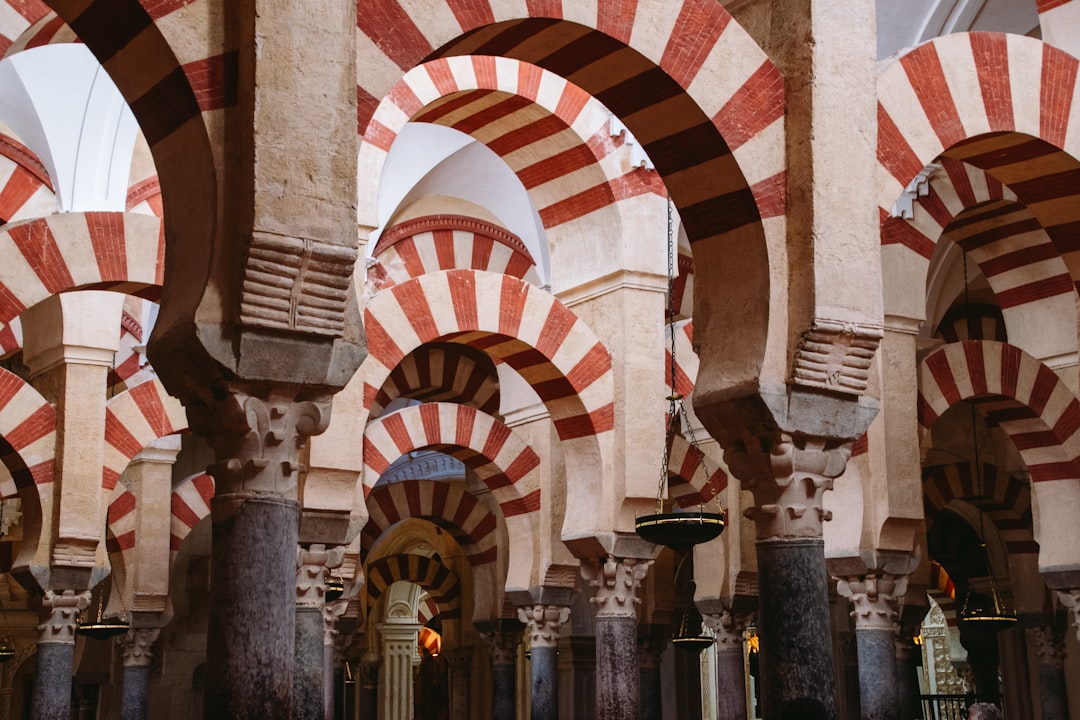

In the heart of Jerusalem, among the ancient walls of the old city, stands a place of extraordinary spiritual and historical importance: the Al-Aqsa Mosque. It is not only one of the holiest sites in Islam, but it is also a symbol of coexistence and conflict, of past and future. Every stone of the mosque tells stories of faith, art, and culture, making it a must-visit destination for anyone wishing to explore the rich heritage of the city.
The Al-Aqsa Mosque is located within the complex known as Haram al-Sharif, or Sacred Space, which also includes the Dome of the Rock, another iconic monument of the Islamic religion. This place is not only an architectural landmark, but it represents the soul of Jerusalem, a crossroads of beliefs and traditions that have shaped the history of millions of people.
History and Religious Significance

The Al-Aqsa Mosque has a long and complex history, dating back to the 7th century AD. When the caliph Umar ibn al-Khattab conquered Jerusalem in 638 AD, he ordered the construction of a mosque on the site of an ancient Jewish temple, the Temple of Solomon. This act not only marked the beginning of the Islamic presence in the city but also the creation of a place of worship that would become one of the most revered in the Muslim world.
The mosque is mentioned in the Quran, particularly in verse 17:1, which speaks of the night journey of the prophet Muhammad from Mecca to this sacred place. This spiritual connection has made al-Aqsa a symbol of faith and a pilgrimage destination for millions of Muslims. It is not just a building; it is a place where people can connect with their spirituality, reflect on life, and seek inner peace.
Architecture and Visual Beauty
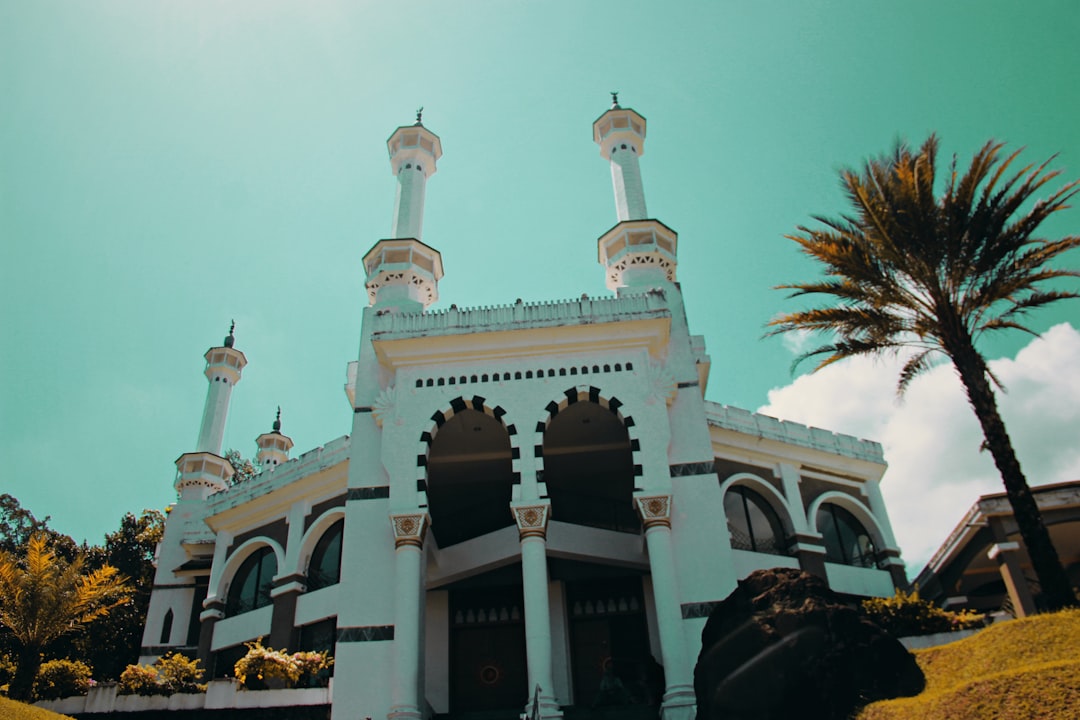
The beauty of the Al-Aqsa Mosque goes beyond its religious significance. The architecture is a wonderful example of Islamic art, with a combination of styles that reflect various historical eras. The mosque is characterized by an imposing facade of white and gray stone, with elegant arches and columns that create a majestic atmosphere.
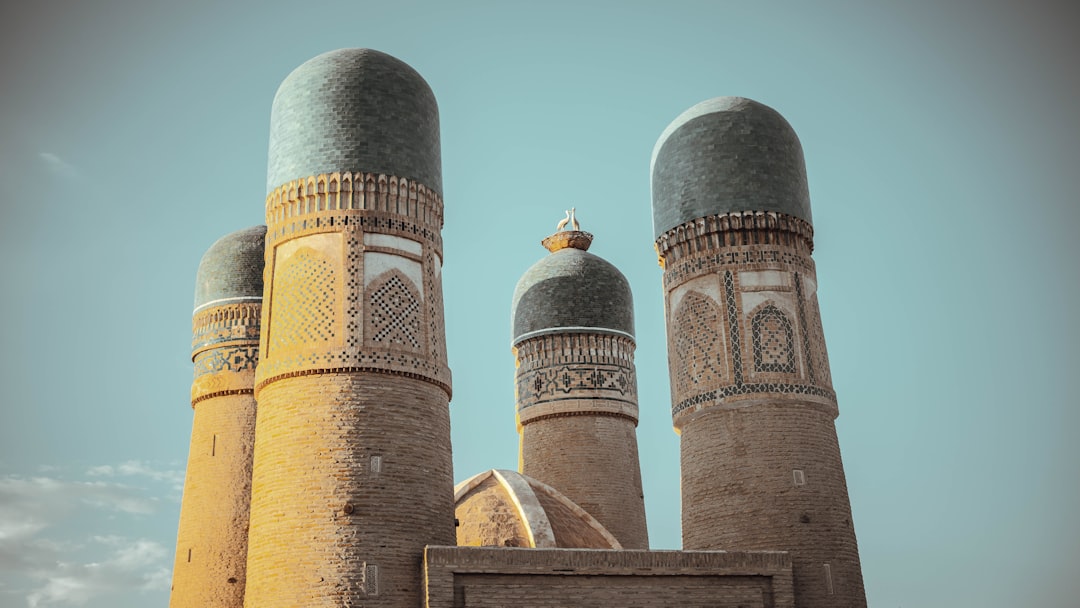
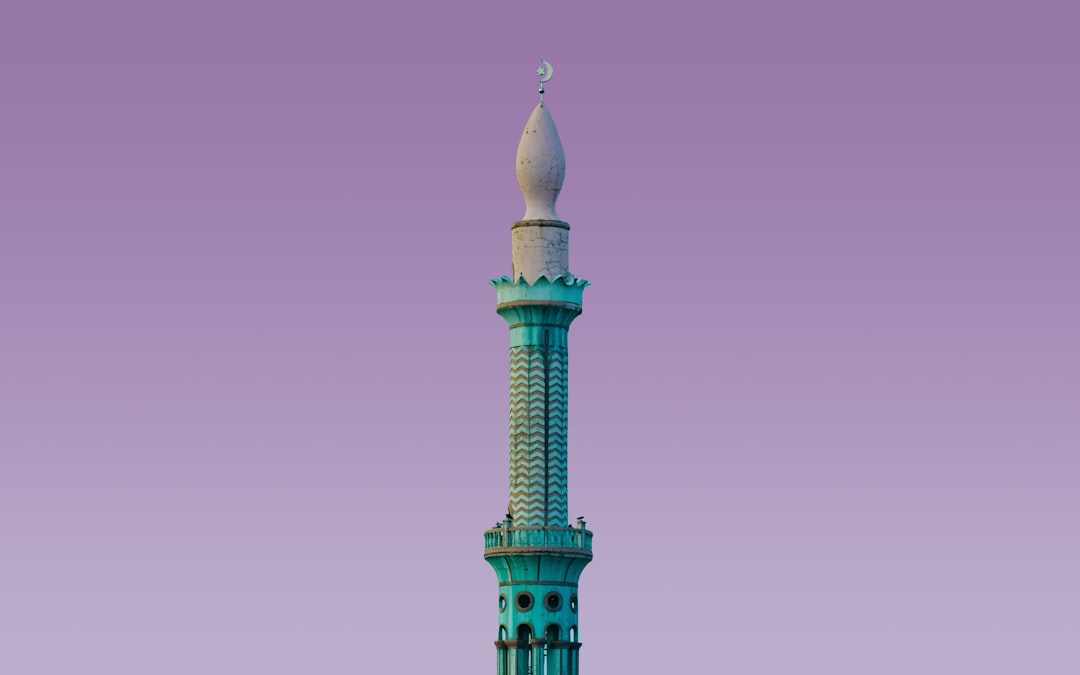
One of the distinctive features of the mosque is its minaret, which rises high into the sky of Jerusalem and offers a panoramic view of the city. The interiors are adorned with mosaics and elaborate decorations that tell stories of ancient traditions and cultures. Every time one crosses the threshold of the mosque, one feels enveloped by an atmosphere of sacredness and beauty that invites contemplation.
A Place of Coexistence and Conflict
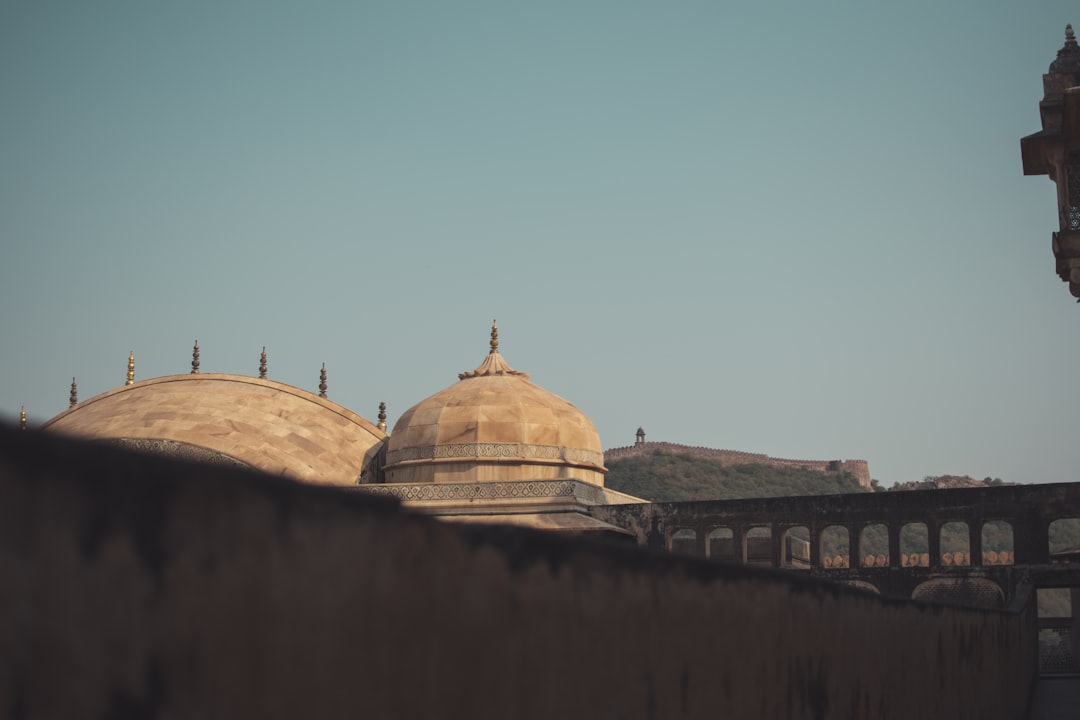
The al-Aqsa Mosque, unfortunately, is not only a symbol of faith but also a focal point of geopolitical tensions. Its location in the heart of Jerusalem has fueled conflicts among various religious communities, making it a place loaded with meaning and controversy. The question of who controls the sacred site is at the center of many disputes, highlighting the fragile interaction between religion and politics in the region.
However, despite the challenges, al-Aqsa remains a symbol of hope. People of different faiths gather around this place, seeking to find common ground and promote coexistence. Many visitors, both Muslims and non-Muslims, come here to admire the beauty of the mosque and reflect on the importance of peace and interreligious dialogue.
Visit to the al-Aqsa Mosque: A Spiritual Experience
Visiting the al-Aqsa Mosque is an experience that goes beyond simple tourism. It is an opportunity to immerse oneself in a culture rich in history and spirituality. Visitors can join the faithful during prayers, explore the interior spaces, and admire the magnificence of the Dome of the Rock, which stands triumphantly next to the mosque.
It is essential to respect local traditions: modesty in clothing is crucial, and visitors are expected to behave with dignity. The al-Aqsa Mosque offers an atmosphere of respect and tranquility, inviting everyone to reflect on their own spirituality, regardless of their faith.


