
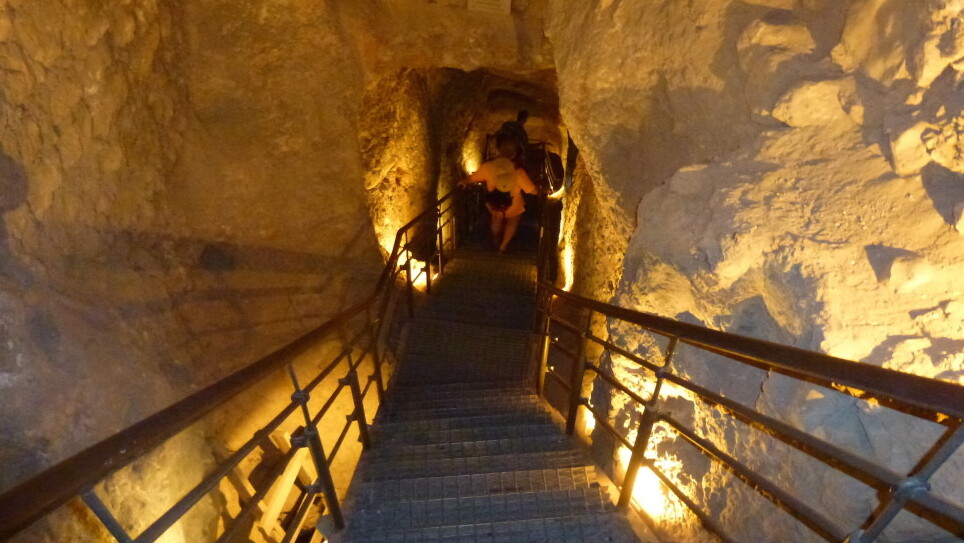

Beneath the bustling streets of Jerusalem, a remarkable testament to ancient engineering prowess lies hidden: the Hezekiah's Tunnel. Built around 700 B.C. under the reign of King Hezekiah, this subterranean aqueduct was a strategic marvel designed to secure the city’s water supply from the Gihon Spring to the Pool of Siloam during the impending siege by the Assyrian king, Sennacherib. Spanning 533 meters, the tunnel’s construction is a testament to human ingenuity, carved painstakingly through the limestone bedrock with a minimal gradient to ensure the natural flow of water.
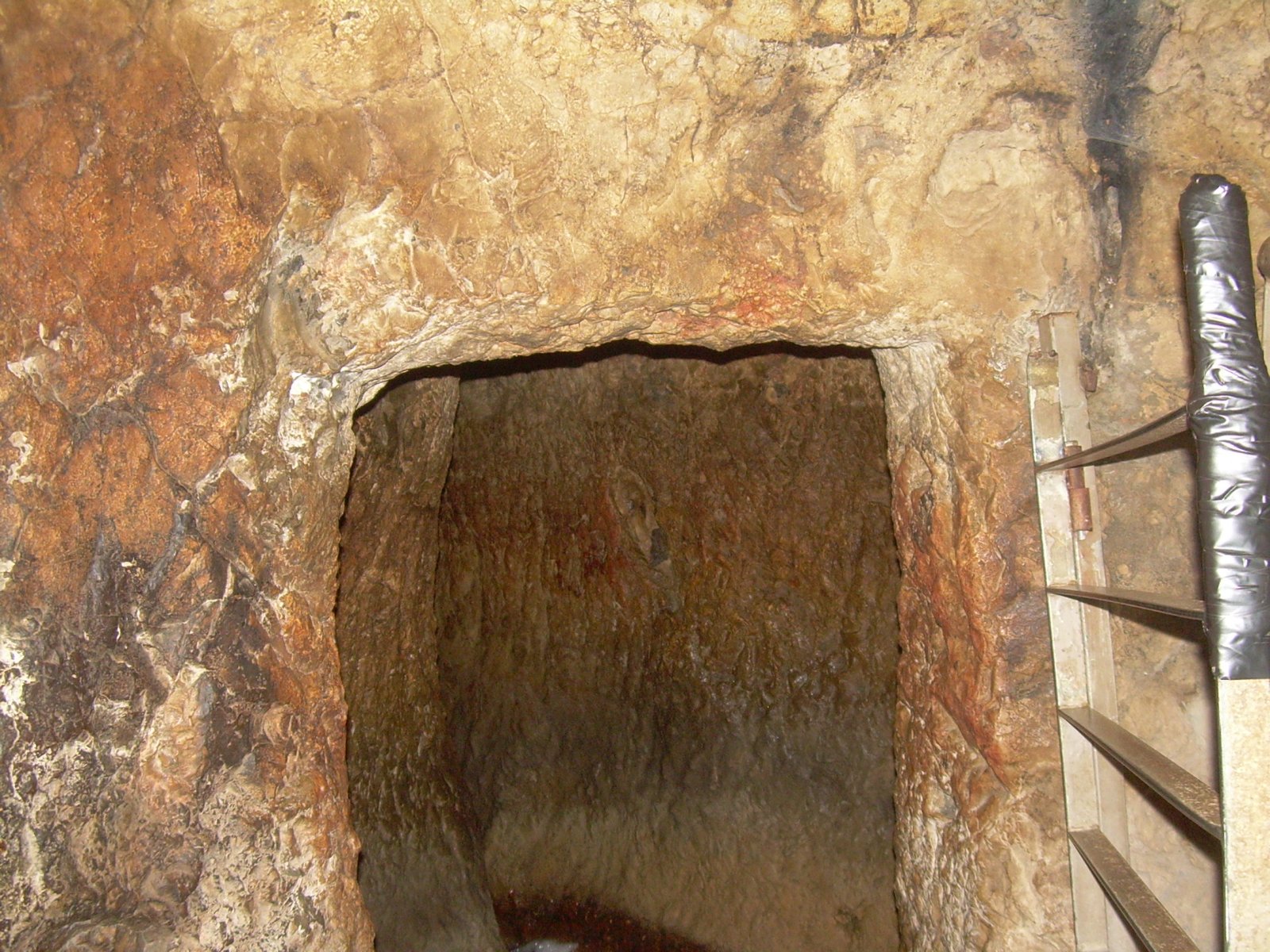
The history of Hezekiah's Tunnel is deeply intertwined with the biblical narrative. According to the Book of Kings, Hezekiah anticipated the siege and commissioned this tunnel to sustain Jerusalem's population. The tunnel's creation is not only a tale of survival but also one of faith, as it reflects the resolve and resourcefulness of the people of Judah in their bid to protect their sacred city.
Architecturally, the tunnel is a marvel of ancient engineering. Its meandering path and precise slope were achieved without modern surveying tools, highlighting the skill of its builders. Hezekiah's Tunnel is an example of Iron Age water engineering, its narrow, dimly lit passageways offering a tangible connection to the past. Walking through the tunnel, visitors can see the chisel marks left by workers over 2,700 years ago, and at the midpoint, the Siloam Inscription—a rare ancient Hebrew text—commemorates the completion of the project.
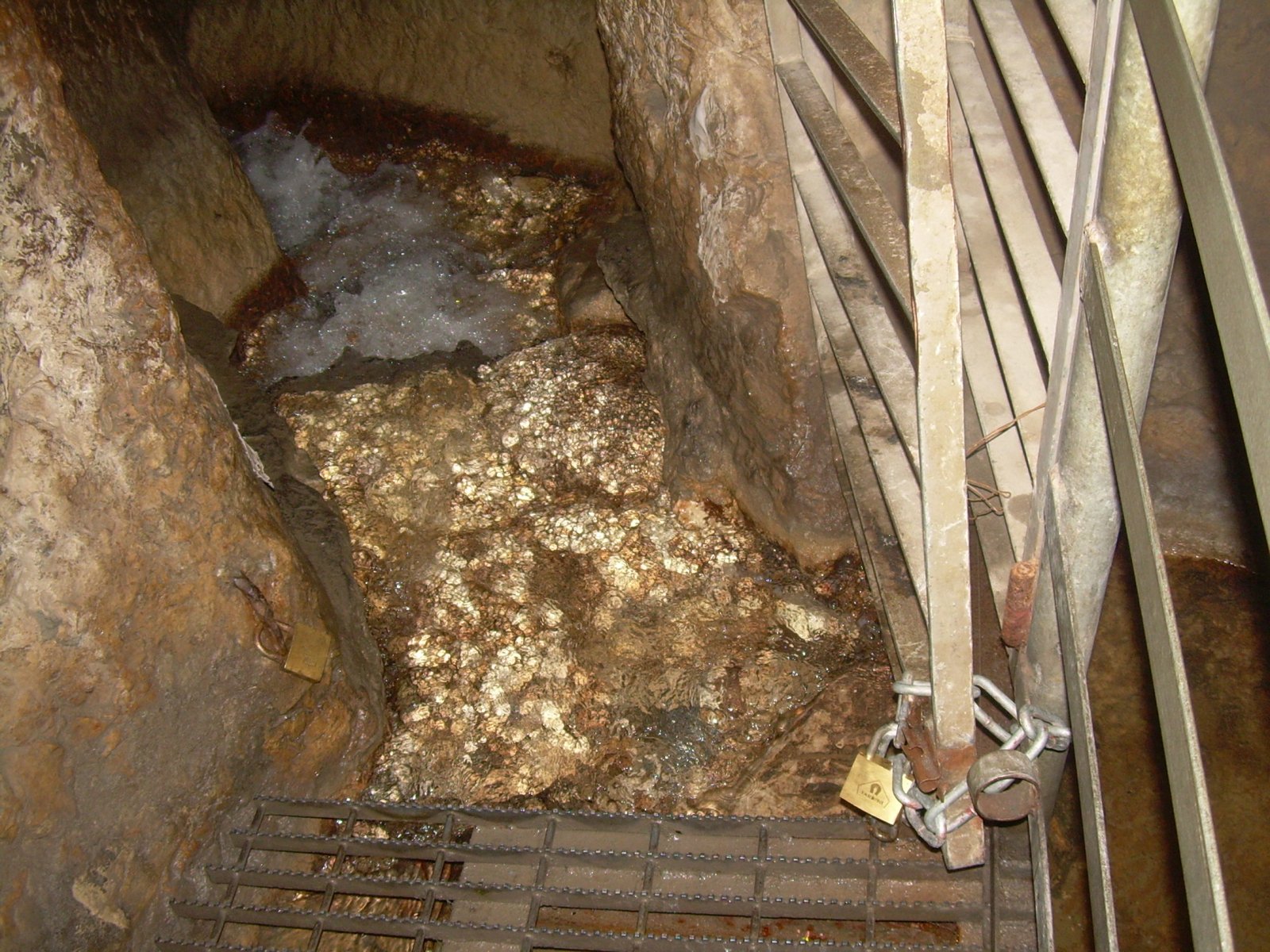
Jerusalem's local culture is rich with traditions and festivals that echo the city’s storied past. The Jewish festival of Sukkot often sees visitors exploring the city’s ancient sites, including Hezekiah's Tunnel, in celebration of historical resilience and divine protection. These cultural events are a vibrant reminder of the city’s enduring spirit and the significance of its historical landmarks.
While exploring Jerusalem, indulge in the local gastronomy that is as diverse as the city’s history. Traditional dishes such as falafel, hummus, and shakshuka are staples, offering a taste of the region’s culinary heritage. Pair these with a refreshing glass of pomegranate juice, a local favorite, to complete your culinary journey.
There are numerous lesser-known curiosities about Hezekiah's Tunnel. For instance, the tunnel was excavated from both ends simultaneously, a feat made even more impressive by the lack of modern technology. Archaeologists are still puzzled by how the two teams managed to meet in the middle with such precision. Additionally, during the rainy season, the tunnel can fill with water, creating a unique walking experience.
For visitors, the best time to explore Hezekiah's Tunnel is during the cooler months from October to April. Wear comfortable shoes and prepare for knee-deep water in some parts. Don’t forget a flashlight to navigate the dimly lit passage. As you explore, take time to appreciate the echoes of history reverberating through the stone walls.
For an unforgettable journey through Jerusalem's rich history and culture, consider using the Secret World app to craft your personalized AI itinerary.


